The bells arrived before the men did.
It was the hottest day of the year, or so the radio said as I drove out of Sofia, the capital of Bulgaria, heading toward a small village just outside the city. I was on my way to meet the kukeri from Yardzhilovtsi, a place known nationwide not just for its deep-rooted tradition, but for the almost sacred commitment of its people to keep it alive. It wasn’t just folklore here. It was identity, carried in the bone and sweat of generations.
From the shaded garden where I waited, the sound came first – a faint clinking from inside the house, then louder, more metallic, more insistent. It wasn’t yet ceremonial. It was logistical: the noise of people moving weight.
Ivan Ivanov, 50, and his brother Evgeni, three years younger, have lived in Yardzhilovtsi their entire lives. Ivan works in construction as an electrician, while Evgeni repairs cars. They learned the ritual from their father and now pass it on to their children – Ivan’s little boy, Kiril, is already in training.
Their way of speaking – deliberate, sometimes rugged, sometimes startlingly poetic – carried the rhythm of rural life, an inheritance in itself.
“We start them early here,” Ivan said, with quiet pride. Some children take their first steps to the sound of bells.
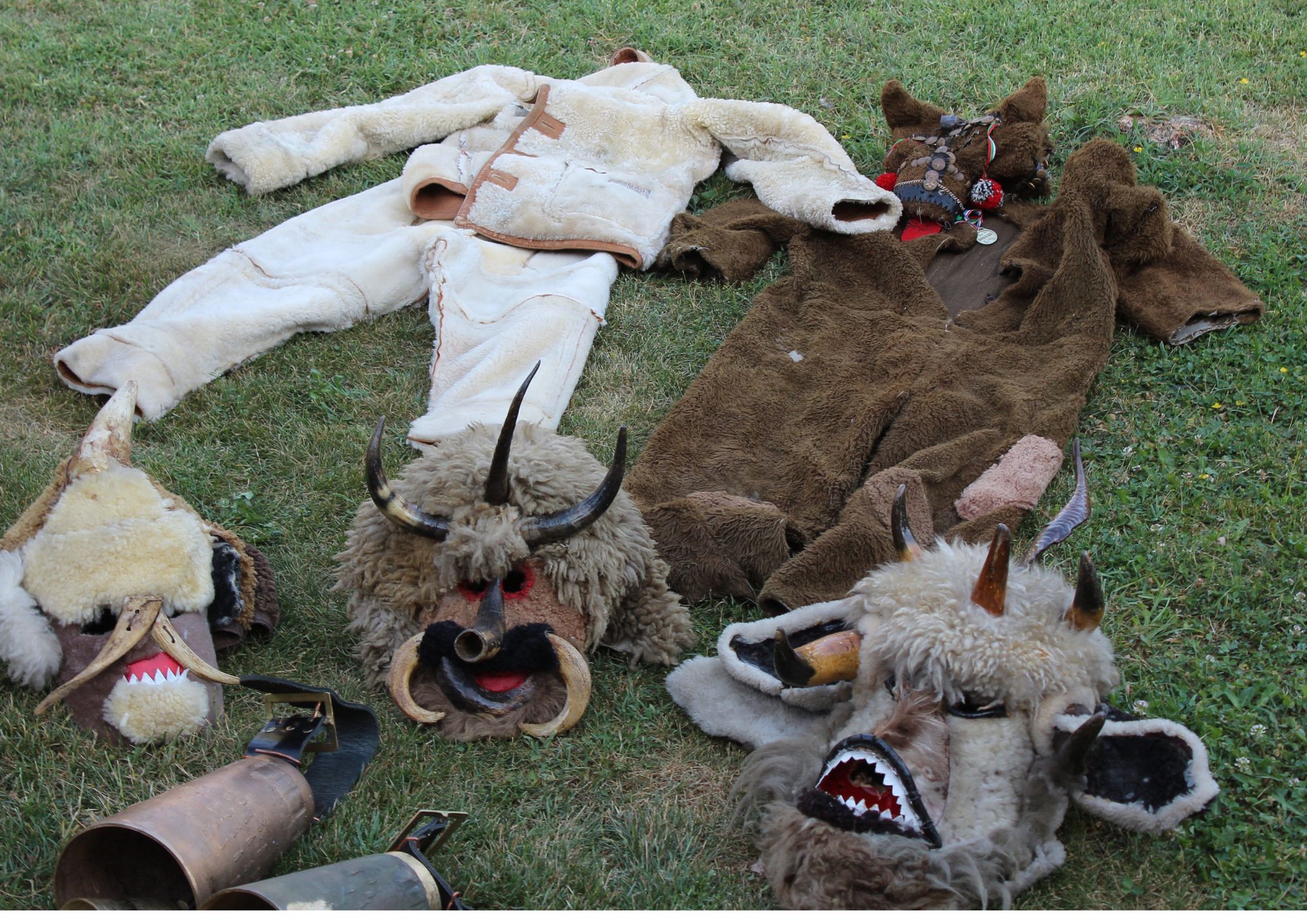
The two brothers emerged, hauling belts of iron and silver bells and thick, stitched hides. These were the kukeri suits, worn each winter during Surva, a ritual meant to drive away evil spirits, bless the land, and protect the people. But this was June. Surva was months away.
Still, the ritual never seems to really sleep.
With every new armful, the clamor grew louder. I imagined the neighbours, used to this by now, thinking: Ah, the kukeri bells are waking up again.
Enlarge
Gery Hristova
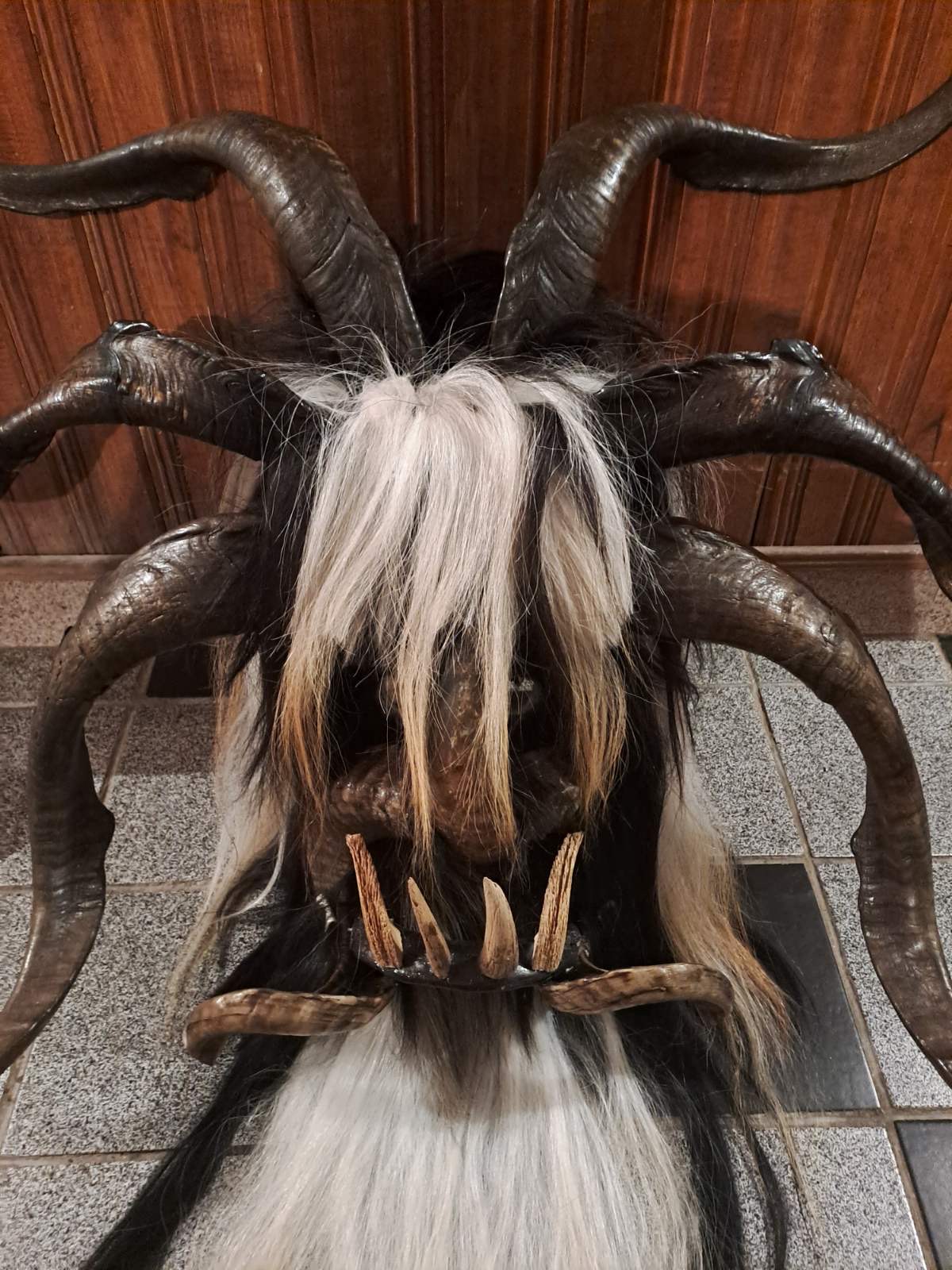
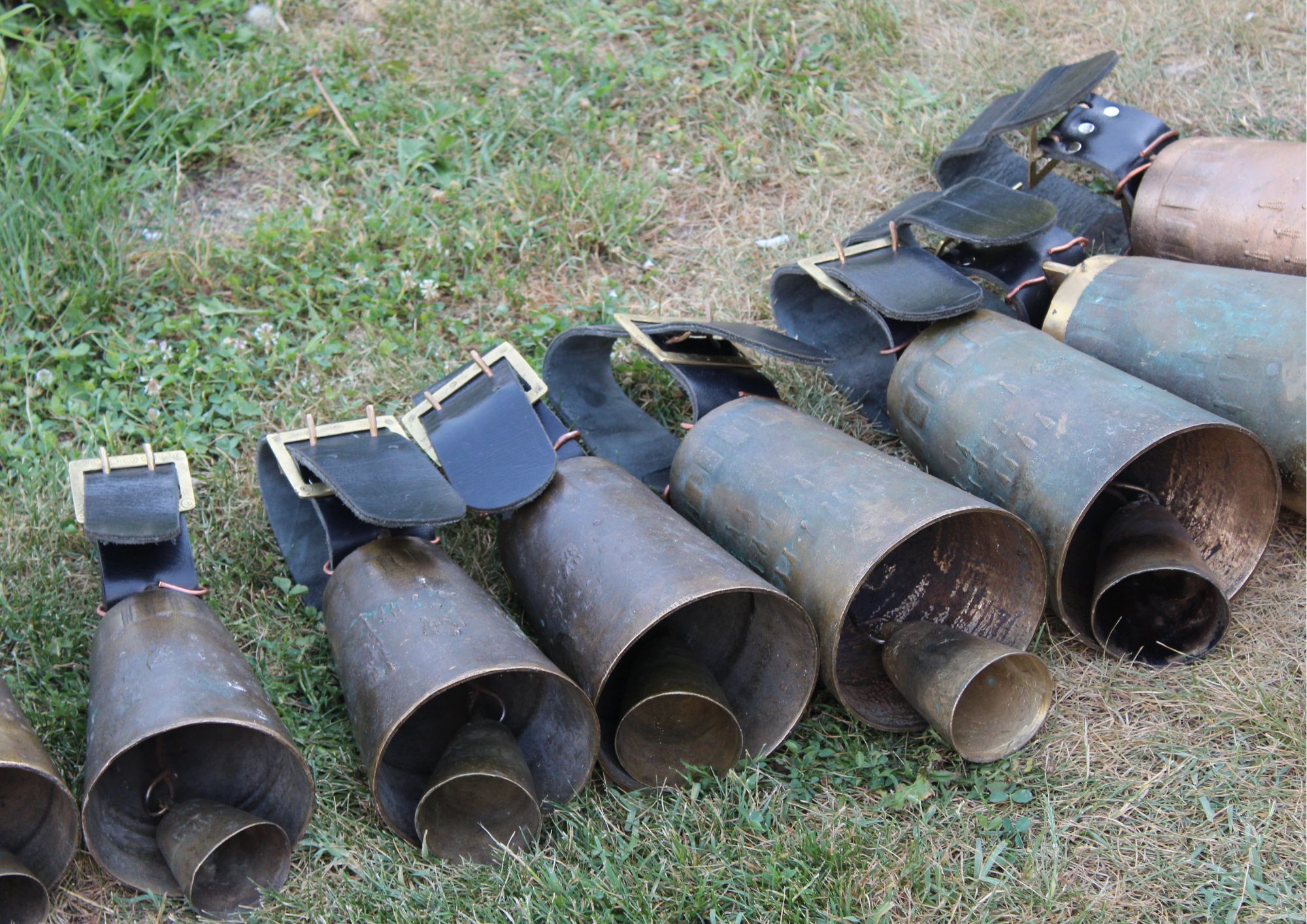
Once everything was laid out, the garden resembled a private museum. Fur masks and horned faces leaned against the ground, while heavy bells lay scattered across the grass. Some were the size of a child’s torso. There was no performance, no mysticism. Just two men, lifelong kukeri, explaining the mechanics of a tradition they’d known since before they could speak. The rustle of fur and metal against dry summer grass was its own kind of ceremony.
Nearby, ten-year-old Kiril stood watching. He didn’t dress up that day, but he had his own suit. He’d been part of the ritual since infancy.
Bulgaria is confronting a demographic crisis. Its population has dropped from around 9 million in 1989 to approximately 6 million today. Rural villages, like Yardzhilovtsi near Pernik, bear the heaviest burden. With an aging population and waves of migration toward cities or abroad, many places have lost half their residents in just two decades. Schools close, and shops shutter. In this emptiness, Kukeri has emerged as more than folklore, it has become a form of cultural resistance.
Across much of Bulgaria, and especially in villages like Yardzhilovtsi, time doesn’t just pass. It drains.
“It’s not just a tradition. It’s how we stay alive.”
The country has one of the fastest-shrinking populations in the world. A slow exhale shaped by low birth rates, mass emigration, and a steady youth drain toward Western Europe.
In the countryside, shuttered schools outnumber working post offices. Ghost towns are not uncommon. It’s not unusual to find entire villages with fewer than 100 residents, or even just one, where the only signs of life come from the rustle of trees and the bark of a distant dog.
And yet, when Surva comes, Yardzhilovtsi pulses with life. The Kukeri tradition, so deeply tied to the rhythm of village life, has taken on new urgency in the face of this demographic hollowing. “It’s not dying,” one of the brothers told me flatly, brushing dust from an old leather belt studded with bells. “It’s celebrated more than ever.” In fact, they say, it’s precisely because the villages are thinning out that the ritual matters more now. It binds the generations. It makes people return.
During our June visit, the brothers told me Yardzhilovtsi still hosts around a thousand people in winter, doubling in summer. The village has its own school, and though there’s no football team anymore, the Kukeri bring a sense of unity and purpose. Neighbours repair fur cloaks together. Grandmothers teach needlework. Children learn the steps and rhythms before they learn the alphabet. What endures is not only a seasonal spectacle, but a communal heartbeat.
In this way, Kukeri is a performance related to the resistance against forgetting; against fading away; against the erasure that comes when people leave and don’t come back. For many, it’s a cultural umbilical cord to ancestors, to a version of Bulgaria that isn’t part of any map. “It’s not just a tradition,” one of the brothers said. “It’s how we stay alive.”
In a way, when the bells ring, they do more than frighten away ghosts – they remind the villagers that their land still cares, that their traditions still matter. Kukeri becomes a visible declaration: we are here, we still belong, and we will thrive. Far from being a fading relic, the ritual has taken on fresh urgency – keeping Yards alive, weaving communities together, and drawing former residents home each January.
But Ivan and Evgeni are not alone in keeping Kukeri alive. Beyond the village, a growing network of cultural organisations, heritage activists, and government officials rally to protect this centuries-old tradition from the pressures of modern life.
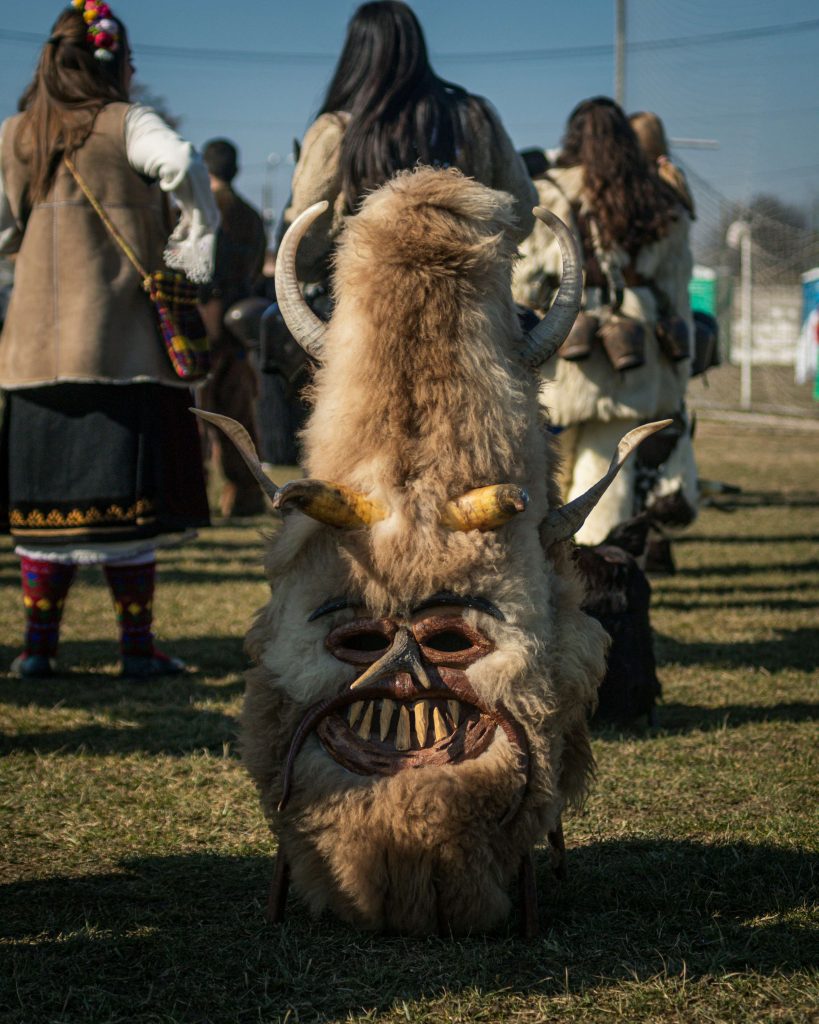
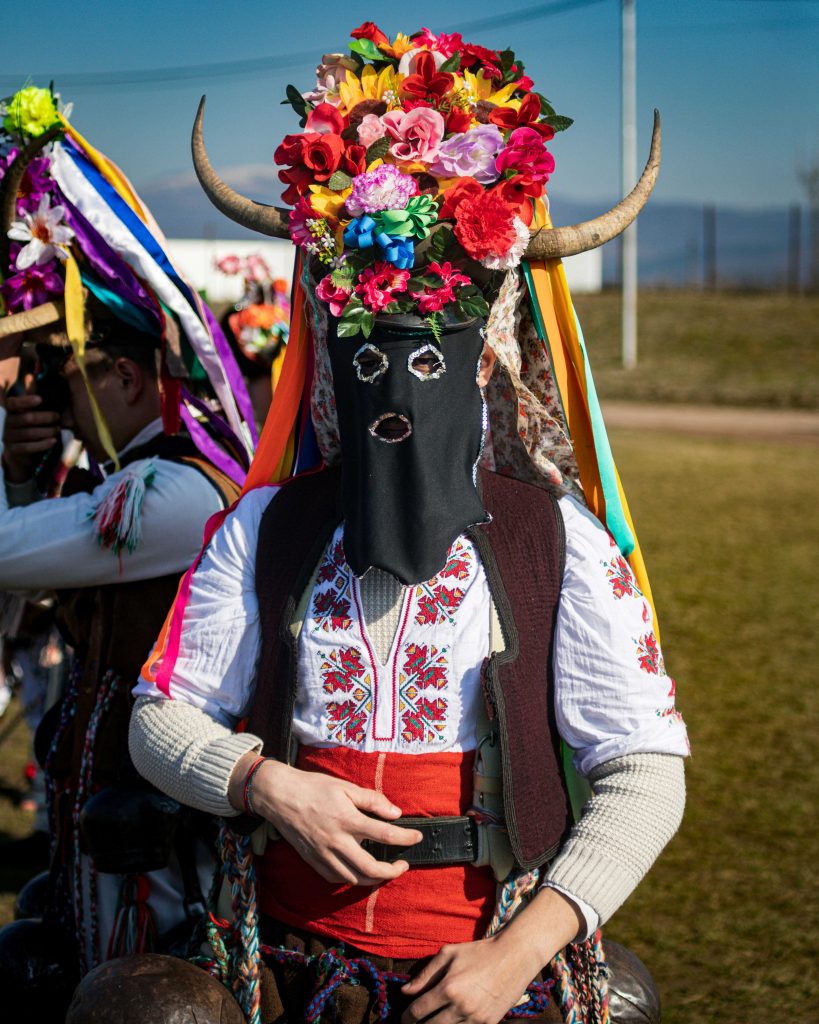
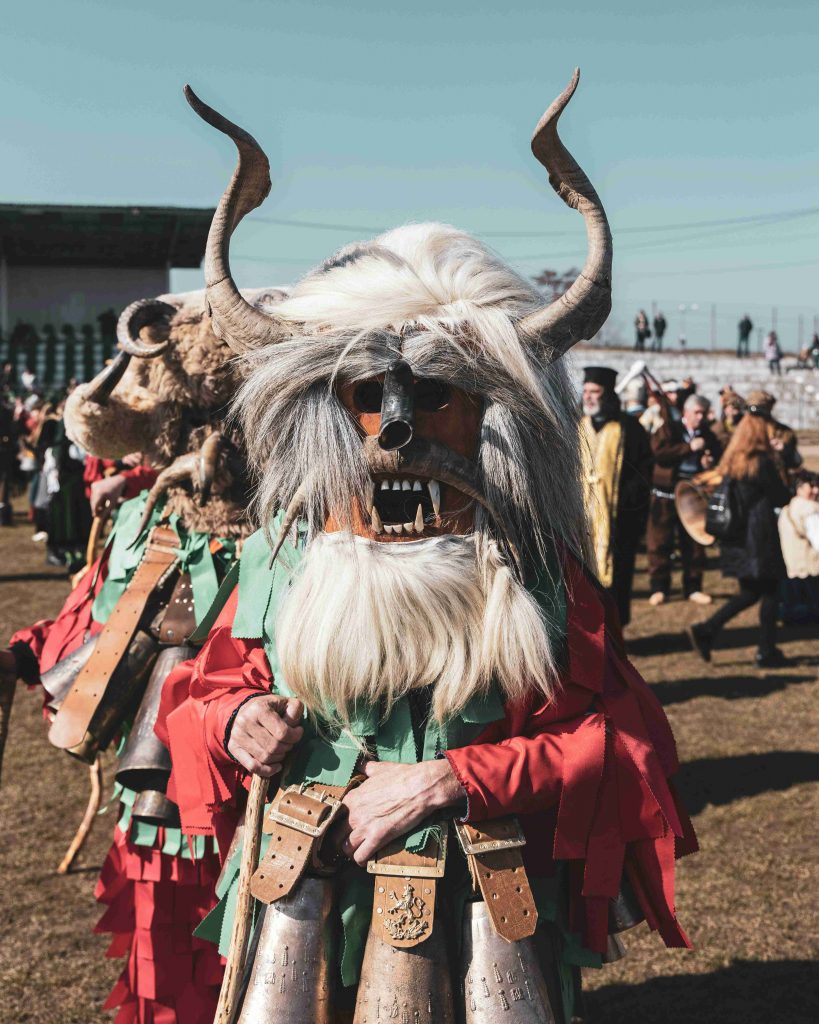
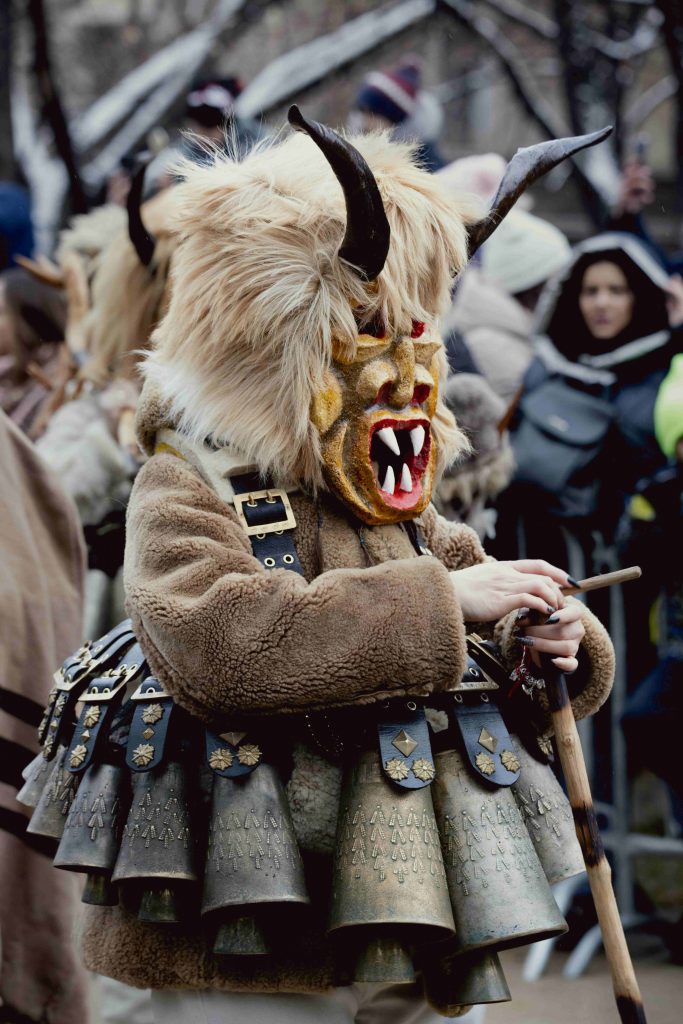
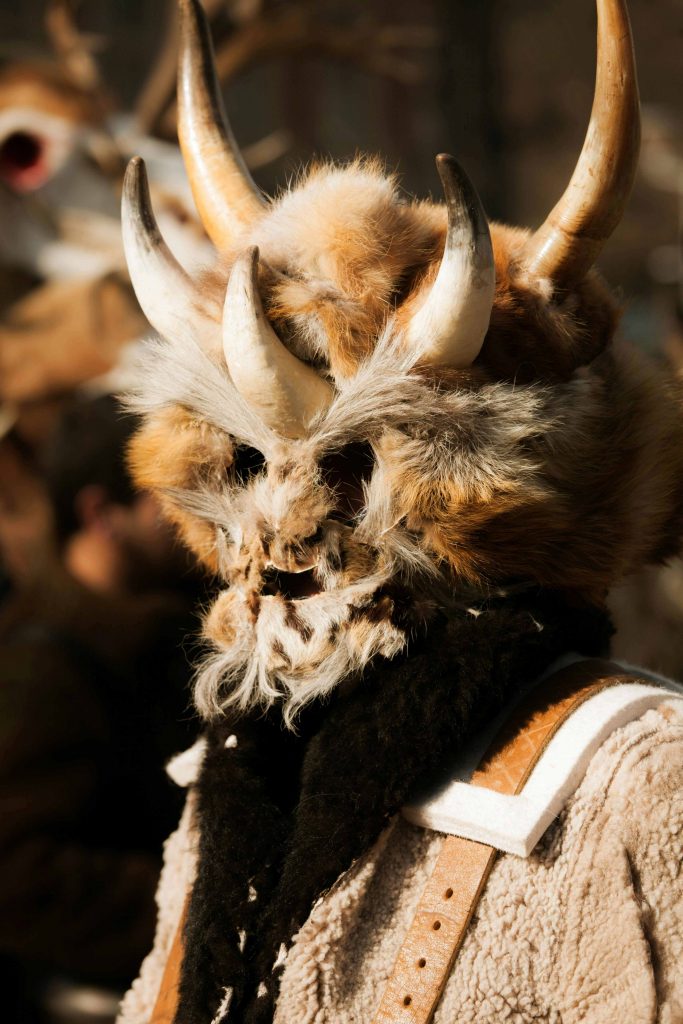
The Surva Festival in Pernik, a major kukeri event, was inscribed on UNESCO’s Representative List of the Intangible Cultural Heritage of Humanity in 2015 – recognising kukeri’s national and global significance.
Silva Khacherian, Director of the Directorate for International Cooperation, European Programmes and Regional Activities at the Bulgarian Ministry of Culture, emphasised the importance of living traditions like Kukeri:
“What they do is not only extremely interesting, but also educational… They have great potential for local tourism, for Bulgarians and foreigners interested in this kind of thing.”
Under her direction, the Ministry supports key initiatives to ensure these traditions don’t fade, helping bearers of cultural practices pass them on to younger generations.
This spirit of preservation extends beyond Yardzhilovtsi. Maria Trifonova, leader of the “Black Kukeri” troupe in Veselinovo, stresses the importance of authenticity: “We have managed to preserve the essence of our tradition. It’s more than a performance – it’s who we are.”
The joy and cleansing power of the ritual are palpable. “When thousands of bells ring out in the streets, it washes away all negative energy,” said Ivanka, a participant at the Surva Festival, in an interview with Euronews. “Everyone’s eyes are full of smiles.”
But beyond the sounds and smiles lies a heavy burden – quite literally. The first thing to understand is that the costume is heavy. Not just metaphorically, though it is that too, but physically.
“A full outfit can weigh more than 80 kilograms,” Ivan explained. “We wear that for 12 hours. More, sometimes.” The belts of bells alone can easily reach 10 to 15 kilograms. Add to that the furs, the boots, the masks carved from wood or bone, and you start to see the labor. The cost is not only time or money, but muscle, spine, joint, and heat.
“My brother used to wear the heavy ones,” Ivan said, pointing at his brother’s legs who was silently sitting at the corner of the garden space. “He can’t anymore. His body can’t handle it.” He paused. “But what hurts more is losing a bell.”
Enlarge
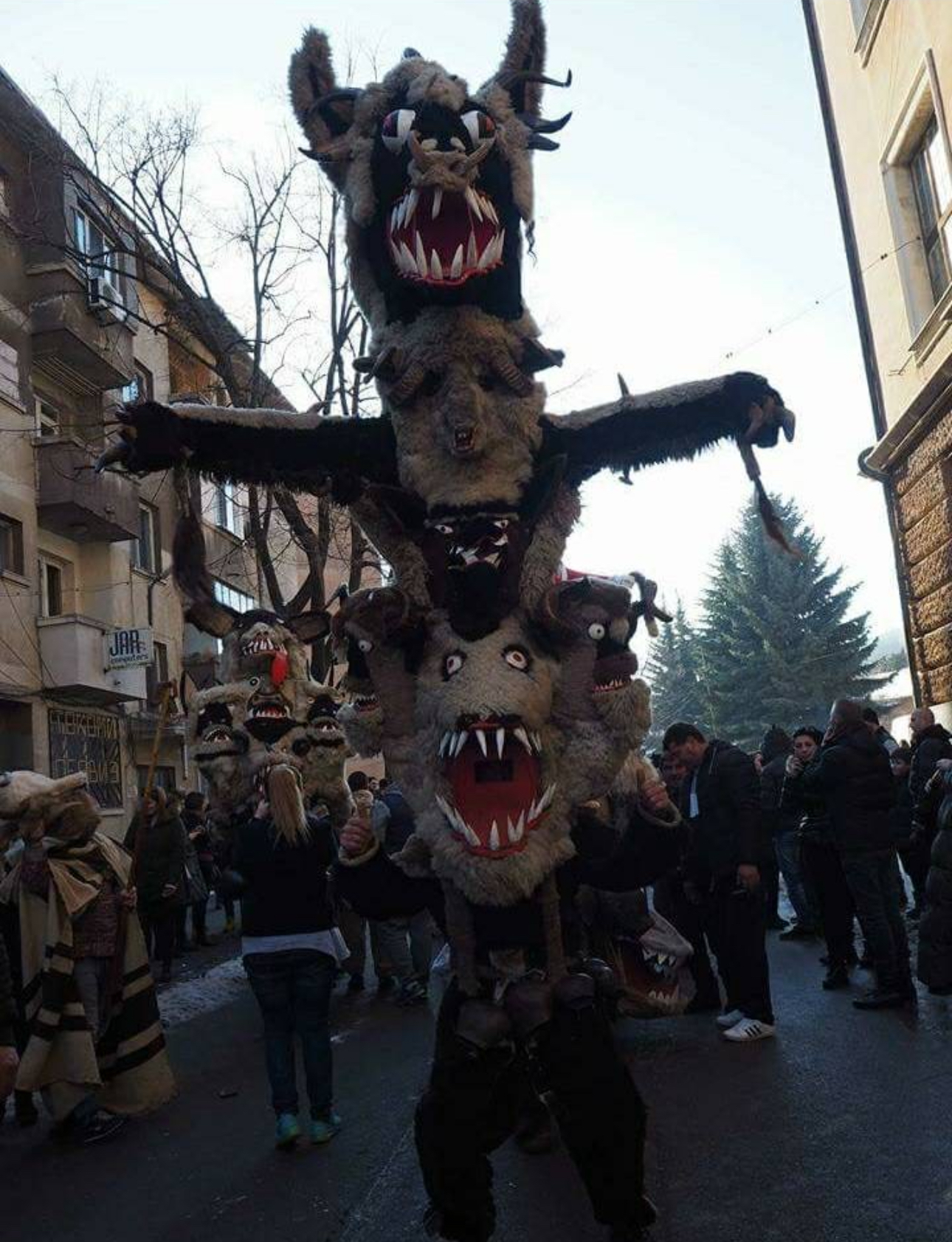
Ivan Ivanov
He told me the story of a man from their village whose inherited bells were stolen – sold off for scrap metal. “After that, he got ill,” he said. “Physically ill. Like the life went out of him. It’s not just metal, you know. It’s like a voice. When you lose it, you’re mute.”
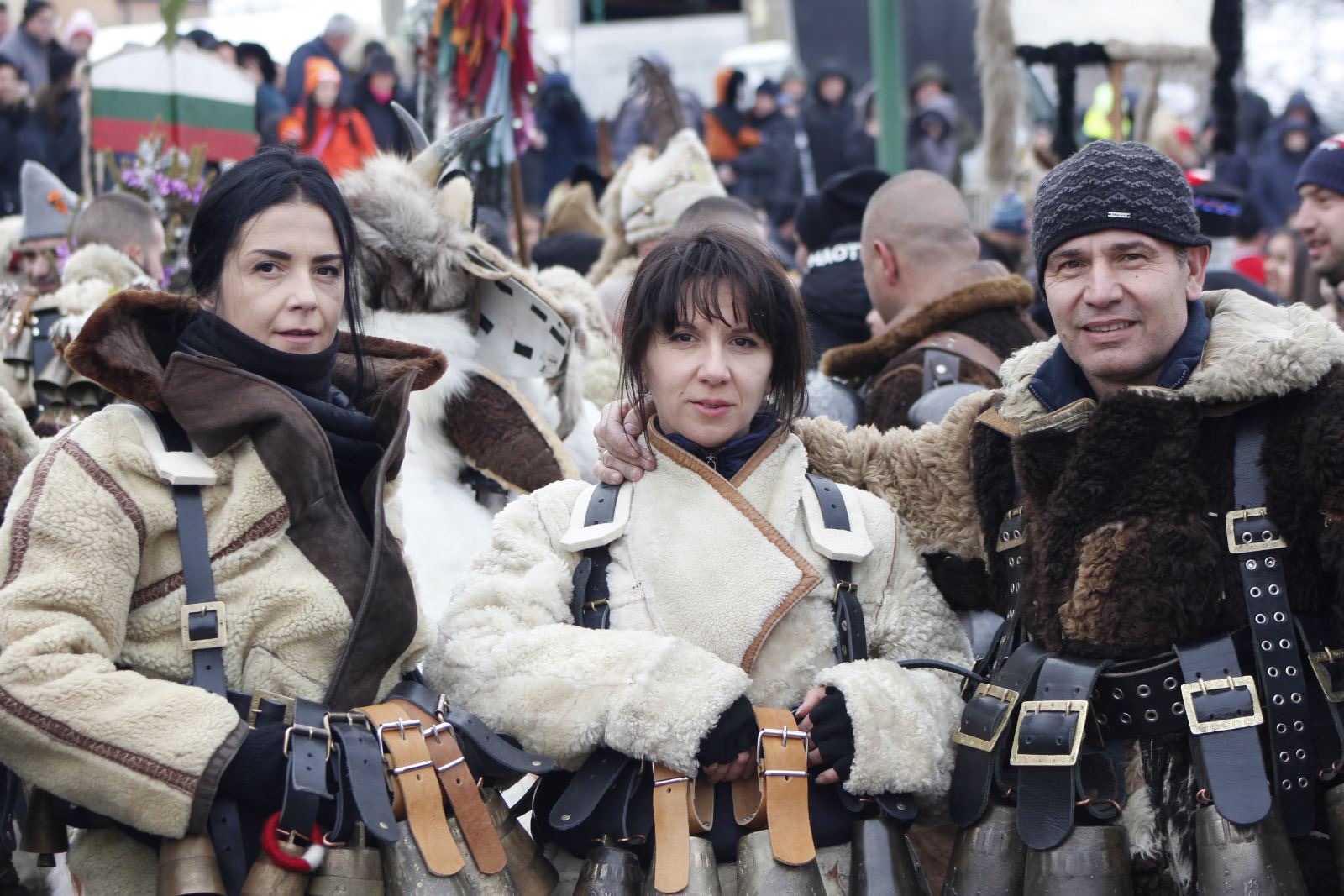
Such losses are rare here, but across Bulgaria, traditions face new challenges. “Before, only men could wear the bells. But things change. Now women take part too, because who else will.” The bells they stay in the family. “If you don’t have a son, you give them to your daughter.”
For now, Yardzhilovtsi remains a stronghold of the tradition, with families like the Ivanovs carrying the ritual forward without interruption. But the wider reality is shifting. Migration, urbanisation, and the lure of city life are reshaping rural Bulgaria, leaving many communities at risk of losing their heritage.
While kukeri in Yardzhilovtsi thrives, across the country and beyond, these ancient customs face an uncertain future. Those who love the tradition are keenly aware of the challenge – to keep the bells ringing for generations yet to come.
But to understand why this ritual means so much, you have to look back – to the deep roots that anchor kukeri in the daily lives of these villages.
Even from the beginning, kukeri groups, though rooted deeply in their local communities, were always central to the social life of their villages. “There’s no house where you can enter and not have this thing [the costume and bells],” the elder brother said. “Everyone. It doesn’t matter which house we go to now. We choose the house, and everyone will bring this out. This thing, everyone has it. I have… This is my set. Nasko [Evgeni’s son] has a set. My brother has a set.”
They made the costumes by hand. The bells were handed down or forged in village workshops. The festivals were neighborhood affairs. Today, it’s international. Surva, the winter festival in Pernik, hosts hundreds of kukeri groups from across Bulgaria and beyond. “We’ve danced with groups from many countries,” both brothers said in unison. “You see people come who have no connection to the tradition, but they join because they feel something.”
Enlarge
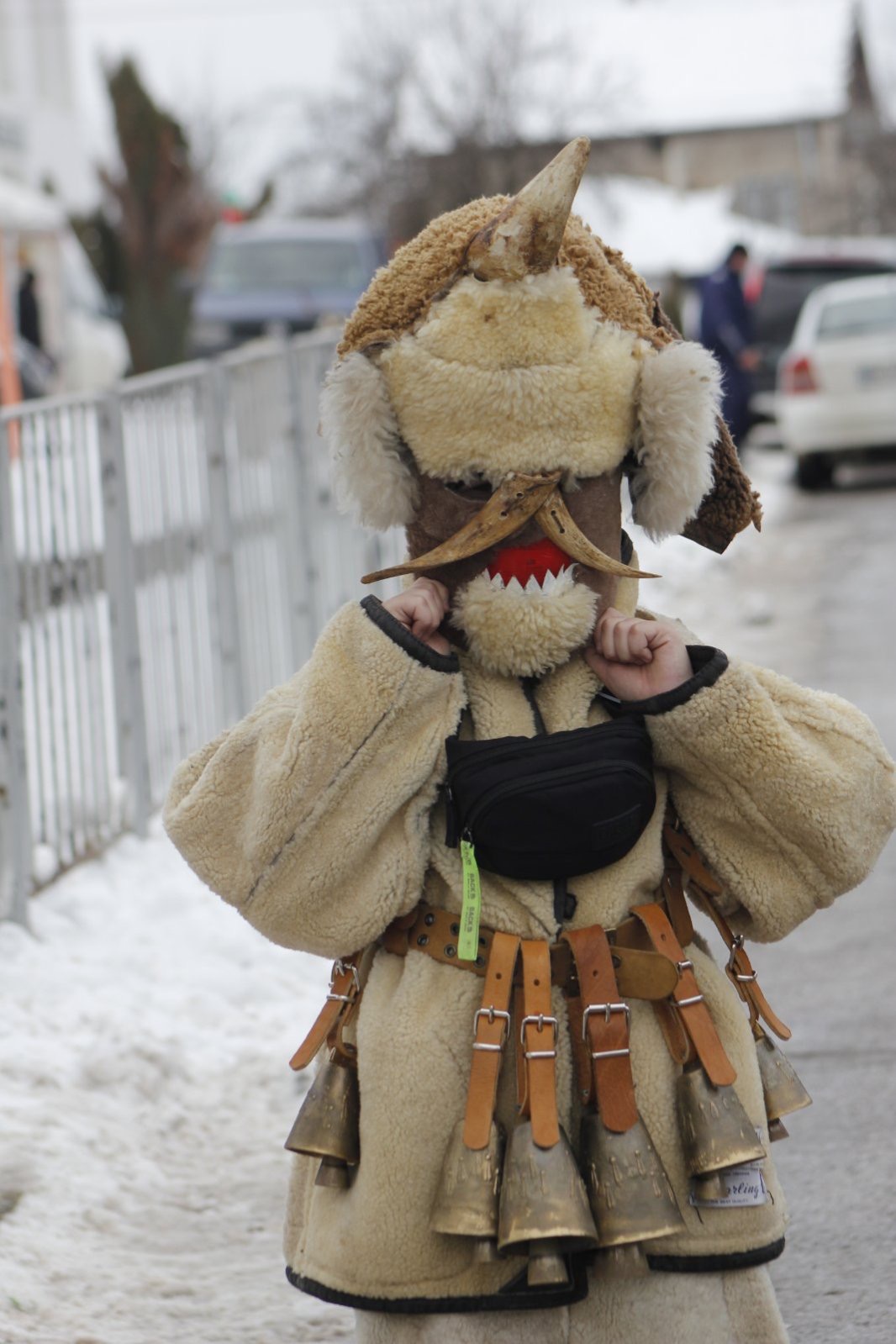
Ivan Ivanov
That growth came with recognition. In 2015, UNESCO inscribed Surva as part of humanity’s intangible cultural heritage. It was a milestone. It helped to popularise the tradition even more.
They even laughed about the time they appeared in a Vodafone commercial with former F1 World Champion Michael Schumacher. “It was absurd. We were pushing one of these Volkswagen ‘beetle’ buses, dressed in full kukeri outfits, up a hill in Veliko Tarnovo,” a historic city known for its medieval architecture and cobblestone streets. “The bus had no engine, so we pushed it all the way up. Then Schumacher drove it while we rode in the back.”
Their kukeri troupe could also be seen in The Goat Horn, one of Bulgaria’s most renowned historical dramas exploring vengeance and trauma under Ottoman rule.
But not every appearance was one to remember with a smile.
They recalled dancing for Todor Zhivkov, the country’s longtime communist leader in the 1980s, when Bulgaria was still under his rule.
“No AC on the bus. We had to travel in leather suits, in the middle of the summer. We were kids. You can’t imagine how hot it was. We nearly suffocated.” And yet, they went. “We didn’t complain. It was for the ritual. You don’t say no to that.”
Back in their village, each neighborhood has its own rhythm. The bells ring differently from house to house. “It’s like an accent,” one of the brothers said. “You can tell where someone’s from by the rhythm of their bells.”
They train children young. Not just in wearing the suits, but in making them. Mask-making begins at an early age. “This is called the bear workshop. The atelier, where we make the masks, is the bear workshop. And when we were little, they didn’t let us [the kids] in much. But now we allow the children to go there.”
Some carve from willow, others paint. The methods differ, but the ethos is the same: make it frightening.
Enlarge
Ivan Ivanov
“Our kids, from September to January, make masks,” Ivan said, smiling. “My son goes there with his uncles – they teach him. We’ve done our part; I’ve learned some myself. Now it’s their turn. My son is learning, and with time, he’ll pass it on to the younger ones. It’s how the tradition stays alive.
We used to go and make masks. Now our kids won’t even let us help, they’re the ones making them.”
There’s a competitive edge too.
“We’re proud of our village. Every Surva, we want to be the loudest. The most in sync. The most serious. In 1966, we took first place – we won the very first Surva ever organised. Then last year, Kyustendil held its first festival. Again, we came in first,” one said proudly.
They won again this year.
The rankings, while not at the core of what they do, still seem to matter – informally, emotionally, and across generations.
Surva, which takes place each year on January 13-14, is not just a celebration – it’s an entire winter ecosystem of ritual, sound, and sustenance. Though the dancing is its most visible expression, the heart of the festival beats just as strongly around kitchen tables, in steaming cauldrons, and inside homes filled with the smells of tradition.
The preparation begins with food. Not just any food, but dishes designed to sustain the body through the exhausting rites of winter masquerade. “Pacha,” Evgeni says, referring to a pork dish cooked until it sets into a jelly. “But it must be jellied. And in this thing, there’s collagen, you know?” It’s eaten for energy, particularly for those who carry the heavy bells, sometimes weighing up to 40 kilograms, strapped to their waists. “We exhaust every part of our body,” he adds.
Alongside pacha, there is heated rakia, a fruit brandy typical across the Balkans. “Here, no wine,” he says plainly. “We don’t have grapes. We don’t have wine. Wine only recently started being made. For a long time, it was only rakia, pickles,” he said, referring to turshiya, the traditional Bulgarian mix of pickled vegetables commonly eaten in winter. “And lard. This gives you energy.”
Fat is not just flavour.
“Without lard – no. Without meat – no. Without boiling – no,” Ivan’s brother insists.
By boiling, he doesn’t mean just any hot stew – he’s talking about a specific winter dish: cabbage slow-cooked with bone-in meat, usually pork. “The meat must have bone,” he adds. “That’s where the strength is.”
Kavarma, fried meat with dried peppers, is a staple, as is pita, a homemade flatbread. Banitsa, made with the country’s traditional white cheese, is essential.
“Banitsa is mandatory. And it must be warm – to welcome the surovakari with it.”
“In a world where culture is often flattened or repackaged, Kukeri remains defiantly un-translated.”
Traditionally, the surovakari, the costumed revelers, go from house to house, ringing bells, stomping, warding off evil spirits, and receiving food in return.
But something is changing. “Now they give more money,” both brothers admit. “Yes, they give money. With that money, we buy hides, we buy horns.” In earlier times, households gave food, meat, the traditional for the country white cheese. “Meat isn’t given anymore – there’s nowhere to store it,” one of them explains. “Now there’s no life at the edge of the village either.”
The money isn’t just symbolic; it’s essential. Hides and horns are costly, and each new group of performers must assemble their costumes from scratch or repair what has been passed down.
“You don’t change the hides,” says Ivan. “Only the masks. The big faces, they must change every year.” Painted, repaired, reshaped. “You must make two or three new masks. Because we have new…” New dancers. New children. New hopes.
But one rule remains: no work is done on Surva. None.
“The only time I missed it was when I was in the barracks,” Ivan says, referring to Bulgaria’s former compulsory military service. “I was afraid… I had to miss it.”
The ritual has not stood still – it can’t.
Survival requires adaptation, and over time, much has changed. Women, once forbidden from donning the heavy bells, now participate proudly in many villages, including Yardzhilovtsi. “There’s no one else,” Ivan explained. “If your son moves away, or you have only girls, you give the bells to your daughter. Why not?”
Enlarge
Ivan Ivanov
What once might have been seen as transgressive has become necessary.
The suits themselves are changing too. Real hides and hand-forged bells can cost over €8,000. Many families now pool resources, while others turn to machine-stitched artificial furs and factory-cast bells. The brothers admit they sometimes worry about losing the crafts that gave birth to their suits, but they also acknowledge the practical need for evolution if Kukeri is to remain sustainable.
The costumes, once made entirely by hand, now often blend traditional methods with modern materials, sometimes even sourced from abroad.
And then there’s the festival itself. What began as a local rite has, over decades, grown into a national, and now international, spectacle. Since its UNESCO inscription a few years ago, Surva has drawn hundreds of groups from five continents to Pernik, home to the largest masquerade event in the Balkans. With global attention came tourism and a sharpened sense of competition, but the drive to outdo – to be the loudest, the most in sync – has always been part of the ritual.
The brothers are honest about this. “People have always cared who has the best bells, the loudest group.”
Enlarge
Gery Hristova
Yet beneath the spectacle, something deeper endures. “Yes, it’s become international,” Ivan said, “but it’s not dead. It’s alive – in fact, more alive than ever.”
As a Bulgarian living abroad, kukeri was something I carried more in memory than in practice – glimpsed in old photos, heard in stories, felt in the bones more than the flesh. But in Yardzhilovtsi, watching the ritual unfold not on a stage but in a garden, I saw something more enduring than nostalgia.
It wasn’t performance – it was conviction. A ten-year-old lifting bells nearly half his size. A father handing down not just suits, but meaning. A ritual passed not through ceremony, but through muscle, sweat, and memory.
In a world where culture is often flattened or repackaged, kukeri remains defiantly un-translated. It doesn’t ask to be understood. It roars through the streets for those who know why it matters.
Traditions don’t survive because they freeze in time. They survive because people carry them forward. And in Yardzhilovtsi, they still do.
Toward the end of our visit, Ivan’s ten-year-old son steps forward again. He stands beside one of the masks, hand-carved, painted, fraying at the edges, examining the fine details: scratches, paint, tufts of fur. He doesn’t touch it. He doesn’t have to.
“This one danced three generations,” his father says. “My grandfather wore it. Then my father. Now it waits for him.” He points to the boy.
“I don’t know if he’ll stay here. Maybe he’ll leave. Maybe he’ll become a pilot. But the mask will wait. He’s allowed to do whatever he wants with them,” he says, smiling down at the child now sitting quietly beside him. “He can sell them if he wants… but I don’t think I’ll ever forgive him.”
The room fills with awkward laughter.
Outside, the bells have stopped ringing. The suits are folded, tucked away for another year. But in the house, in the garden, and somewhere in the air itself, the ritual lingers – a low, steady hum, waiting to rise again.