With the lowest number of recorded Welsh speakers in years, people in southeast Wales are fighting to keep the language alive amongst an English-speaking status quo
“No, I don’t speak Welsh,” Mark says in a strong Welsh accent, sitting on a stool in the middle of Newport high-street amidst metal shutters concealing shops which used to bring life to the street. The sky is grey, hinting at the showers which graced the city this morning. Mark is a 56-year-old from Merthyr Tydfil who is working on commission in the city for the day. He has warm eyes and grey hair which sticks to his head from the rain. He is wearing a black rain jacket and square glasses perch on the end of his nose, recently wiped of raindrops.
All over Wales, the Welsh language has been experiencing significant decline in recent years, with data from the Annual Population Survey finding that the number of Welsh speakers in Wales was the lowest in eight years at the end of 2024, with only 851,700 speakers. This number is around 1.6% lower than the previous year, with young people much more likely to speak Welsh than any other age group. This decline has led the Welsh government to invest in a long-term approach to increase Welsh speakers, creating a strategywhich aims to achieve 1million Welsh speakers by 2050. Although an ambitious goal, in areas like Newport in the southeast of Wales, it feels far-fetched.
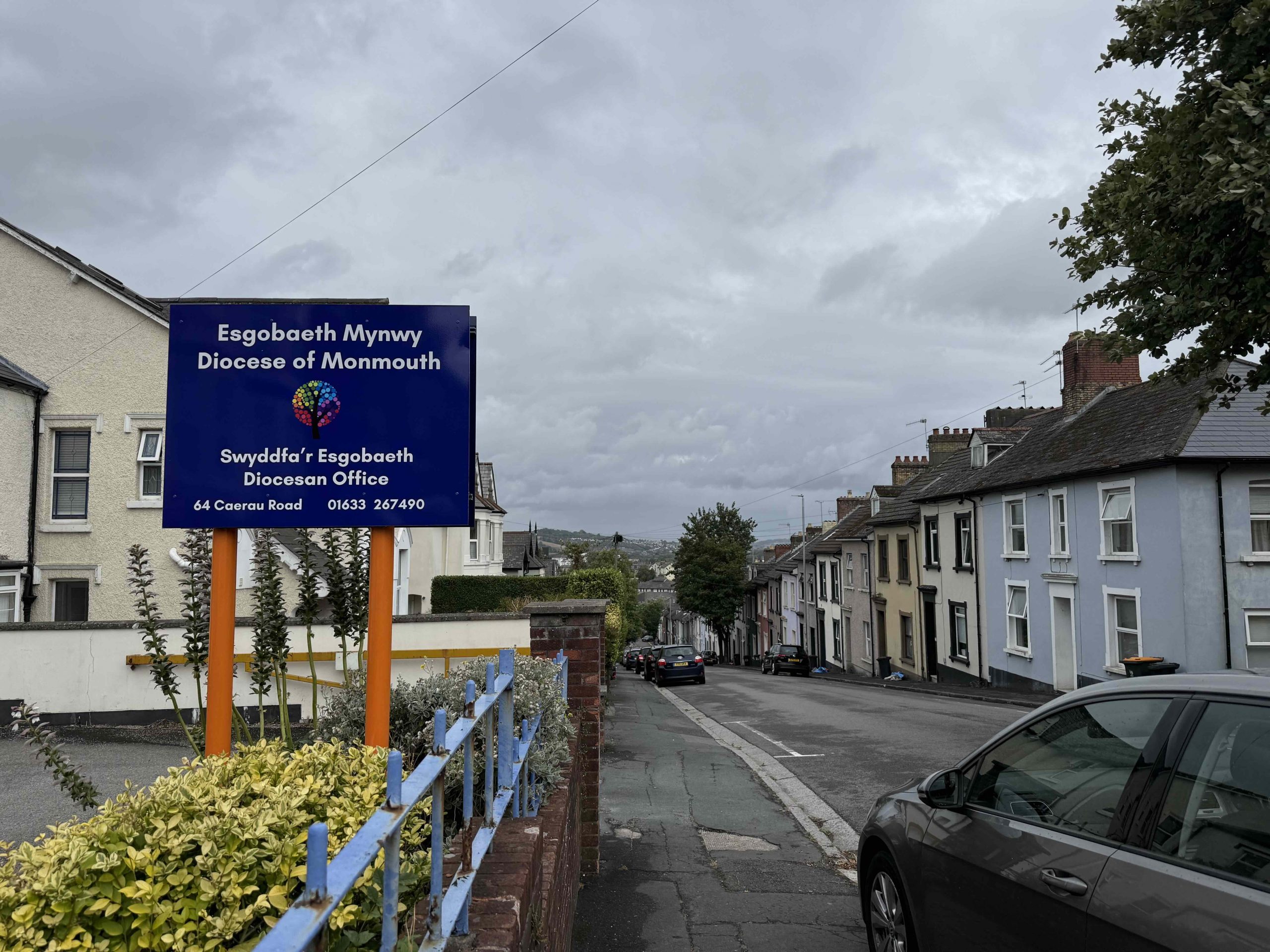
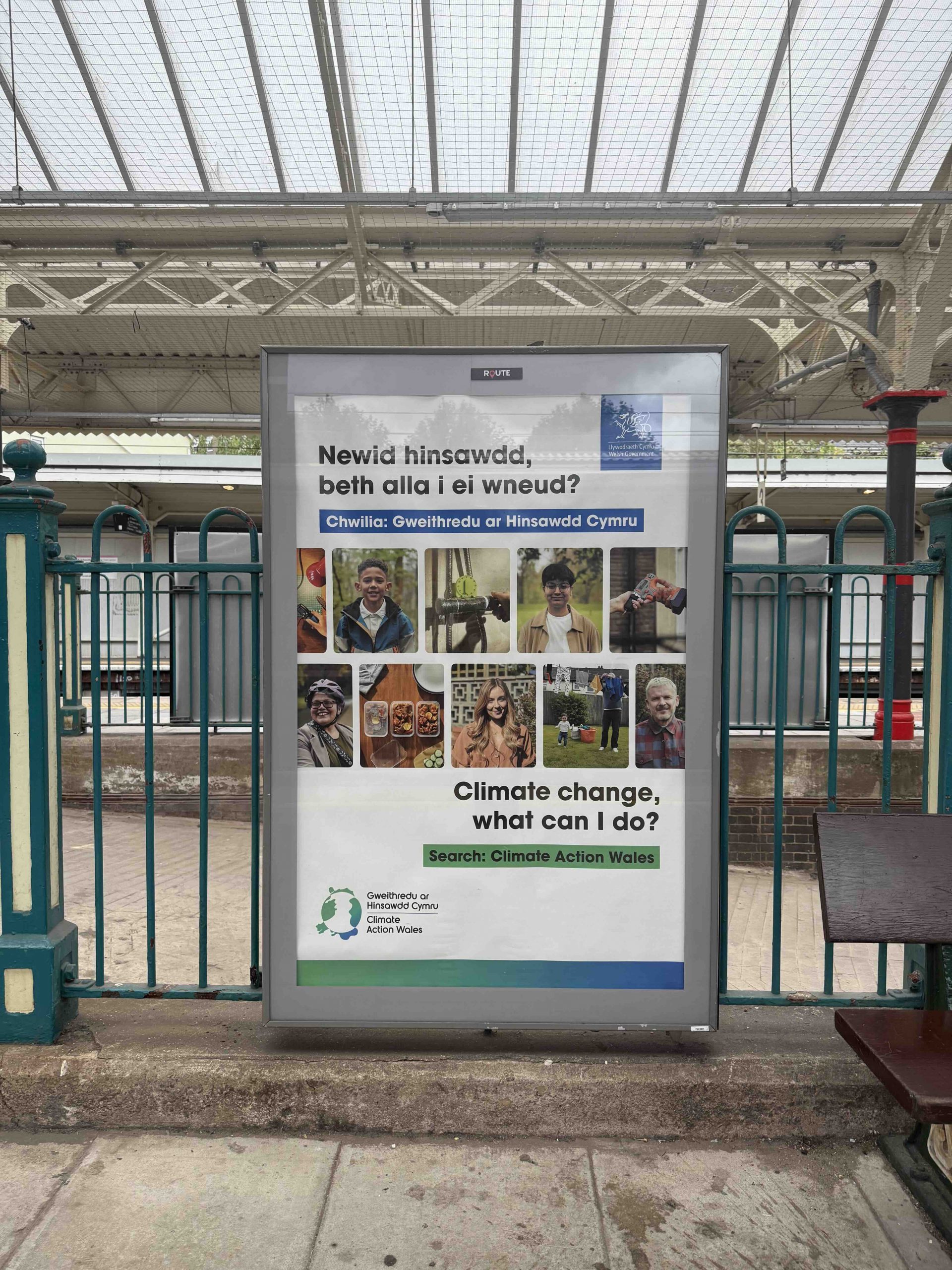
At first glance, Newport seems a lot like any other Welsh valleys town with terraced houses lining the streets and a characteristically hilly landscape. Just like other towns in Wales, the railway and road signs are translated into both English and Welsh – a whisper of the bilingual backbone of the country. However, Welsh is not heard when walking down the street, with English being used in almost all instances.
As you inch closer to the English border, the number of Welsh speakers decreases. Gwynedd, in northwest Wales, boasts the most Welsh speakers at 93,300 or 77.9% of the population. According to data from the Welsh government, the lowest estimated number of Welsh speakers are the counties of Blaenau Gwent (8,500) and Merthyr Tydfil (12,200), both counties in the southeast of Wales, close to Newport.
“Good luck finding Welsh speakers around here,” Mark says, with a laugh. “You need to go to northwest Wales to find them,” his accent adds pleasant lilts to the words. His response further confirms what others had been telling me since I arrived in the city, but amidst the decline, there are instances of hope.
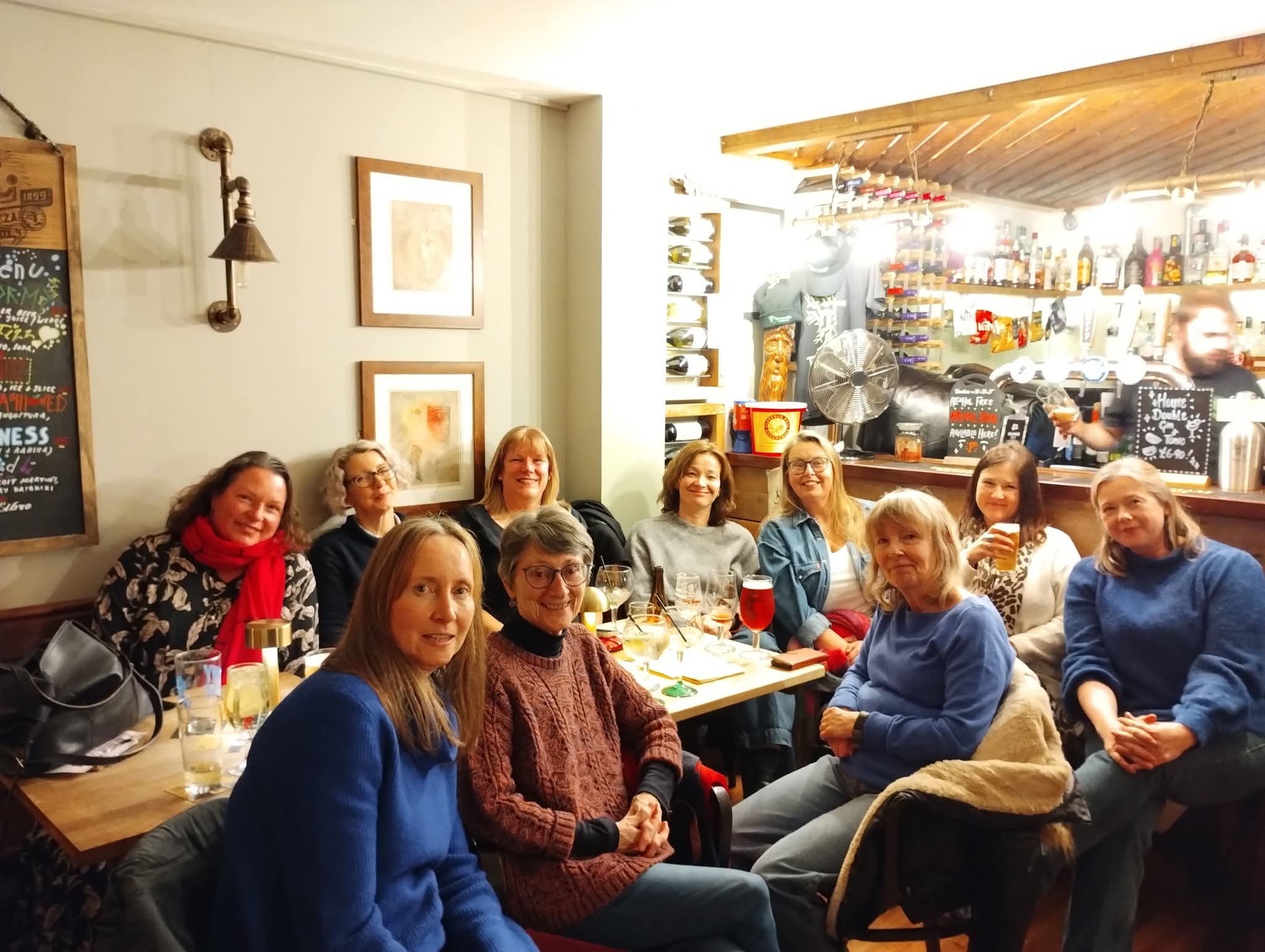
Bethan Harrington, 52, is the treasurer of women’s Welsh speaking club ‘Clwb Gwawr Y Fenni’, a club for women to socialise in Welsh in Abergavenny and the surrounding areas. Abergavenny is a town in the county of Monmouthshire in the southeast of Wales, this is something which is becoming increasingly difficult to do. After back-and-forth emails trying to schedule a time, we call on a rainy Tuesday. The casual ‘Shwmae’s’ and ‘Pob Hwyl’s’ added to Bethan’s emails painted her as a person brimming with passion for the Welsh language, and someone who is not afraid to use it in everyday conversation. As she answers the phone, a jolly Welsh accent comes through the speaker with a harmonic “hello!”
The club, she says, fulfilled a need for an opportunity to socialise in Welsh in Monmouthshire, the county which Abergavenny is located. “The club is a bit like a safe space where you can speak Welsh without ever needing to turn to English,” Bethan says. “In a social situation in this part of Wales, that can be a real challenge.” Due to the large number of English speakers in the area, finding yourself in a group where everyone speaks Welsh and only socialises in Welsh can be tough. “If you have a group where it is a mixture of Welsh speakers and English speakers, then you tend to turn to English because you want that person to feel included,” Bethan says.
I don’t know who I would be if I didn’t speak Welsh as well as English. It is an intrinsic part of who I am. Bethan Harrington
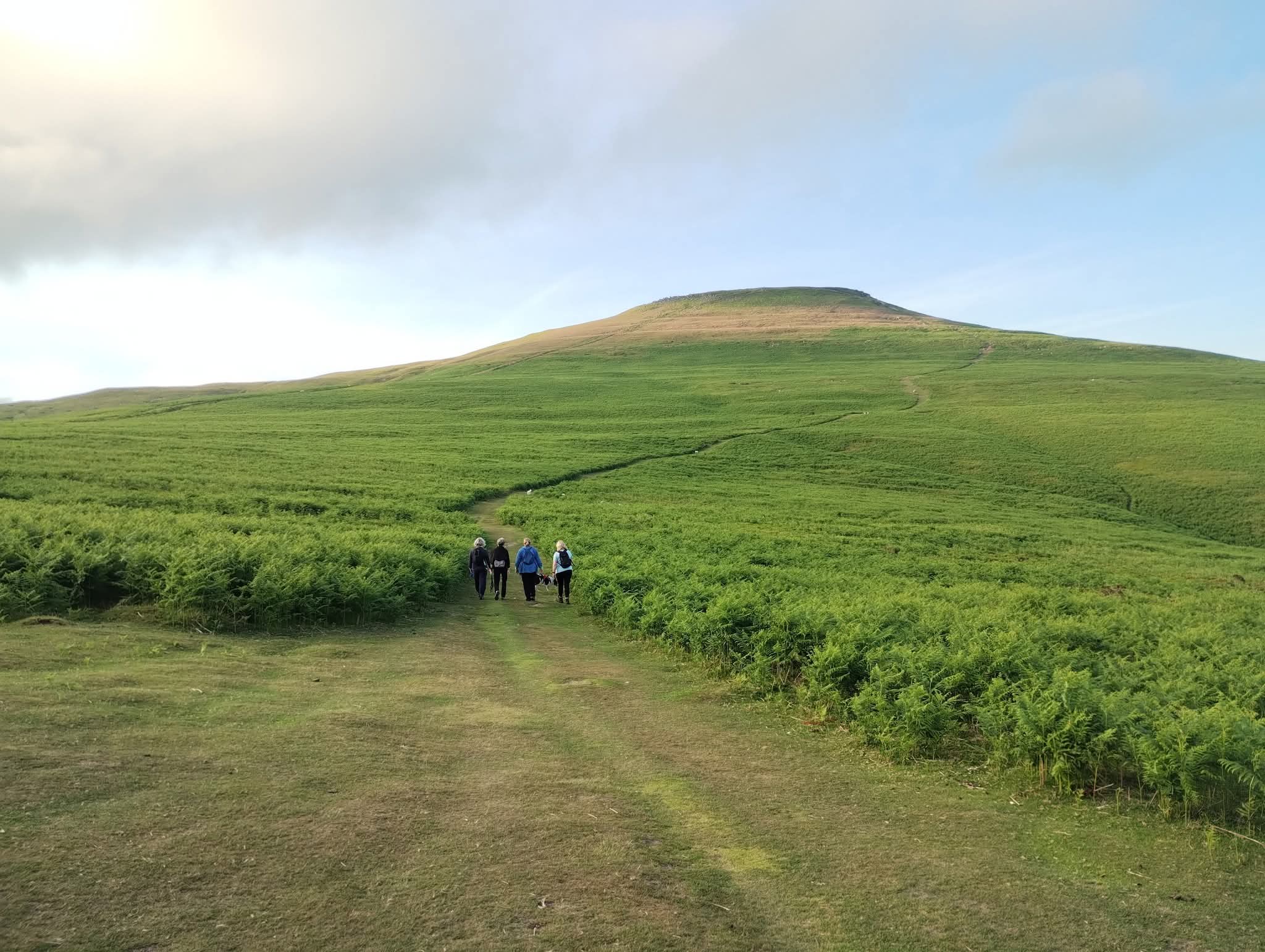
The club meets once a month, sometimes going for meals, other times doing activities such as hiking, paddle or visiting Welsh shows at the theatre. The club currently has members who have spoken the language since childhood alongside those who learned it as adults. “As long as you want to speak Welsh, you are more than welcome in the club,” Bethan says. “That is for fluent speakers and any level of learner.” Annually, the club’s figures tend to vary between 10 and 15 members between the ages of 30 to 70.
For Bethan, she felt inspired to start the club due to speaking Welsh being such a huge part of her identity. “I don’t know who I would be if I didn’t speak Welsh as well as English. It is just an intrinsic part of who I am,” Bethan says. The growing decline of Welsh in areas like Abergavenny caused her to act. “I hate the possibility that the language might not exist one day,” Bethan says. “I just think it would be a terrible shame to lose it.”
Although the outlook for the language in southeast Wales may look bleak, Welsh medium education seems to be growing in popularity in the county of Monmouthshire. There are now three Welsh medium primary schools in the county, Bethan explains, but still no Welsh medium secondary school. Monmouthshire alongside Blaenau Gwent, Merthyr Tydfil and southern Powys are the four counties in Wales without a Welsh medium secondary school. If families in these counties choose to send their children to a Welsh medium secondary school, they must bus them to one in a neighbouring county, which can be a long way to travel. “It is a bit of a problem, and it would be great if we could have our own Welsh medium comprehensive school in the future, because the travel is off-putting for lots of families,” Bethan says.
A Welsh medium secondary school would help the government with their ambitious goal of reaching 1million Welsh speakers by 2050. Bethan is hopeful this goal will give the Welsh language the push it needs. “It’s an encouraging target,” she says. “I feel like in the past it wasn’t encouraged enough. There are so many benefits to speaking Welsh, not just to individuals, but to the country as a whole – to tourism, to wellbeing, to staving off Alzheimer’s, even.” Another organisation – Cymdeithas yr Iaeth or The Welsh Language Society has a goal for every child in Wales to have a Welsh medium education by 2050. Despite being unlikely, Bethan sees it as inspiring. “I love the ambition behind it,” she says. “Aim high! Why not?”
Bethan puts me in touch with Julia Hawkins, 65, a co-founder of Clwb Gwawr Y Fenni. She is straightforward as soon as she answers the phone, asking me who I am and what interests me in the Welsh language. Although passionate, she doesn’t have a noticeable Welsh accent. She explains this is because she grew up in England until she was 12, after which she moved to Cowbridge in the Vale of Glamorgan, where she grew up until she was 18.
Her home life was different from Bethan’s, as neither of her parents were Welsh speakers. Despite this, she had an interest in the language from a young age. She learnt Welsh through lessons in an English-medium school but learnt it to a fairly fluent level through working as a childminder in a Welsh speaking family. “Because of this I got much more fluent than you would with a GCSE,” Julia says. “Whether it was on tea towels or serviettes, I was always really fascinated by the Welsh language.” To her, being Welsh is almost intrinsically linked to speaking Welsh. “To me, you’re truly Welsh if you speak Welsh,” she says.
Despite her interest in the language, she left home for university at 18 and didn’t return home to Wales until she was 40. When she came back and had children, she wanted to bring her children up surrounded by the Welsh language. Through taking her children to a Welsh speaking mother and toddler group, she found other Welsh-speaking women. Like Bethan, she found that when socialising in Welsh, they would often have to accommodate English speakers and would find themselves not speaking Welsh. For this reason, they formed Clwb Gwawr Y Fenni. “We decided that we’d like to go out and not keep turning to English,” Julia says.
Although currently living in Crickhowell, close to Abergavenny, in her work, Julia travelled the world as a project manager for the British Council. Due to this, she was surrounded by different languages and struggled to speak Welsh when she first moved back home at the age of 40. “I had come back not being able to remember any Welsh,” she says. “When I tried to speak it, another language would come out.” For her children to pick up the Welsh language, she surrounded them with Welsh and was able to regain her own fluency. “I read to my kids in Welsh, I only spoke to them in Welsh, I watched TV with them in Welsh – so I got my Welsh back,” Julia says.
As her children grew up, she ran into her first issues surrounding them with the Welsh language. Access to Welsh-medium education was limited in Crickhowell, so her and her husband made the decision to send their son to a Welsh-medium secondary school in another county. The school itself had many issues throughout his time there, being in OFSTED special measures for five years and having no headteacher for three years. This is something which is unsurprising, as there have been reports speculating that Wales will be unable to reach its ambitious target of 1million Welsh speakers due to a significant lack of Welsh-speaking teachers in the country.
Following her son’s experience with the school, Julia made the difficult decision to send her twin daughters to a nearby well-accredited English comprehensive school, which stood around 200 metres from their house. “It broke my heart doing that,” she says. “I mourned for about a month, but I felt I had to do it for their education.”
“You have to completely change the way you teach Welsh in Wales…and the only way to do it is to increase the number of Welsh language schools” Julia Hawkins
Now that her children have grown up having different experiences of the Welsh language through their school experiences, Julia is able to see the difference between their attitude and passion for the language. “My son will go and see Welsh bands, or he’ll go to Welsh language festivals,” she says. “My daughters have ingrained the dislike of being forced to do Welsh in an English language school.”
This suggest that the standard of Welsh teaching in English speaking schools is so much lower, Julia explains. If the Welsh government want to reach the ambitious milestone of 1million speakers by 2050, she thinks there needs to be a serious rethink in the way Welsh is taught. “You have to completely change the way you teach Welsh in Wales,” she says. “And really the only way to do it is to increase the number of Welsh language schools.” Because of this seemingly unrealistic goal, she is cynical of the Welsh government’s plans. “I am from a civil service background, and I see it as they almost plucked a target out of thin air without the milestones of how you get there at each stage,” Julia says.
The decline of the Welsh language: a brief history
The very beginning of the decline of the Welsh language can be traced as far back as the 1530s, when Henry VIII passed the 1536 Act of Union, which stated that English should be the only language used in courts and administration. During this time, the majority of people in Wales only spoke Welsh. Following the first British census on population to include a question as to the languages spoken in Wales in 1891, the Welsh language was still showing signs of decline. This was mainly due to the industrialisation of South Wales in the 1850s, which led to an influx of an English-speaking workforce coming from England and Ireland. By 1891, about 46% of the Welsh population were English-speaking only. The language, however, was able to continue due to the populations in rural areas who continued to use Welsh as a communal language.
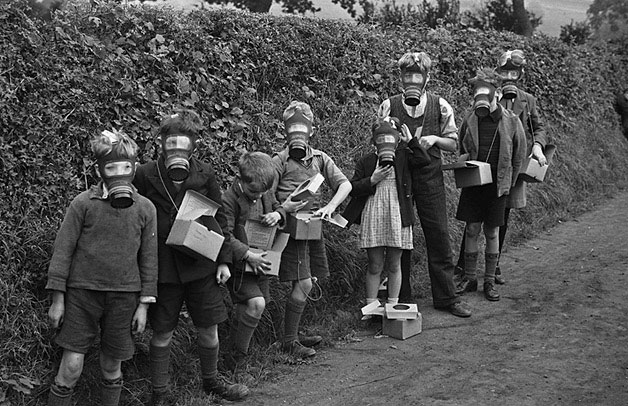
Moving on to the twentieth century, Welsh continued to decline due to factors such as the industrial revolution and agricultural depressions. The Second World War also brought with it English-speaking evacuees into rural areas where Welsh was spoken by many people. By 1991, no more than 18.7% of the population spoke Welsh, almost all speakers were bilingual and there were few areas left in the country in which Welsh was spoken by everyone.
Following this period, English-language radio and television gained popularity throughout Wales alongside a growing tourism industry in the country. This introduced English into areas and groups of people who had barely been exposed to anything other than Welsh. By the 1960s, scholars predicted that if trends persisted, Welsh would cease to exist as a language within thirty years. Luckily, the rate of decline begun to slow and thanks to measures brought in by the Welsh government such as increased Welsh-medium education, the trend began to level out.
Marion Loeffler, a German-born historian with a special interest in Welsh history explains in her article, Public Gain and Private Grief, that the Welsh language has turned into an object of national pride. “Where twenty years ago whole groups of people would turn to English for fear of being heard conversing in Welsh, the inferior language, it is now sometimes those who don’t speak Welsh one hears apologise.”
Ti’n gallu siarad Cymraeg? Welsh identity and the Welsh language
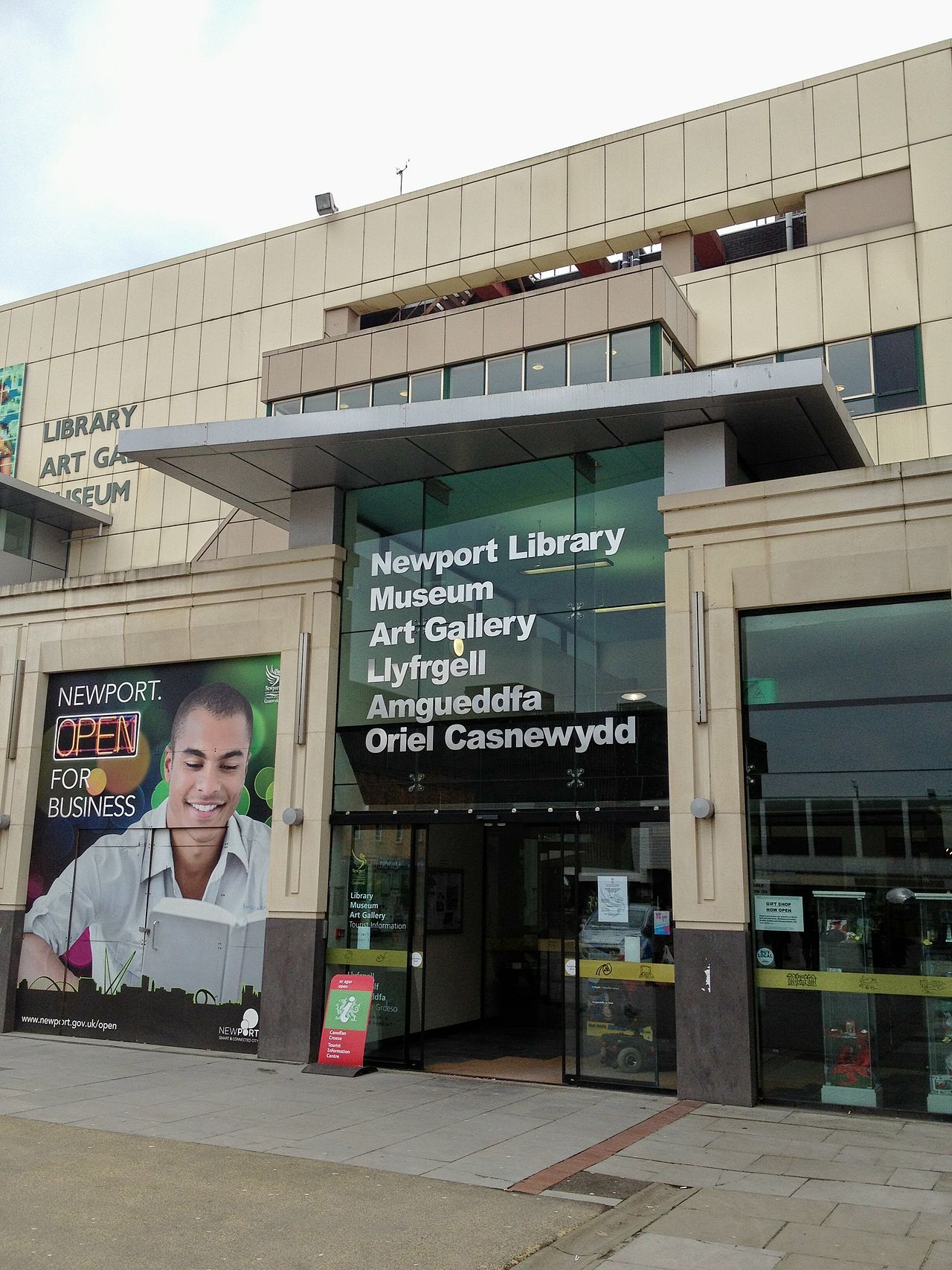
Standing in the centre of Newport, the museum of Newport is a large building with glass windows. The museum, though unassuming, houses some of Newport’s most important objects, culture and history. The art gallery is on the top floor – a vast space with looming white walls and framed artworks. Amongst the sea of frames and behind a desk sits Steven, a 28-year-old with brown hair and large framed glasses. By chance, he happens to speak Welsh.
Steven has a nerdy type of charisma as he expresses how proud he is to be able to speak Welsh, pointing me towards some of his translations hidden amongst the current exhibition. He attended a Welsh-medium school in Newport and assures me that those who speak Welsh here are the younger generations. The area’s Welsh-medium education has grown a lot since he went to school, Steven explains. “When I went to school there was only one Welsh speaking school,” he says. “Now there are five.”
Parents are becoming more likely to send their children to Welsh-medium schools, even if they don’t speak Welsh themselves – with some English families who live close to the Welsh border sending their kids to these schools too. “They fill up very quickly because it gives young people an advantage,” Steven says.
With a quirk of his eyebrow, Steven recommends me to speak to someone called Lionel Clauzon who works in the library on the floor below. “He’s a French guy who speaks fluent Welsh,” Steven says. “You definitely need to speak to him.”
I take his advice and follow the wooden stairs down to the floor below, locating the reception desk behind a sea of bookshelves. Lionel is recognisable from being the only man behind the desk; he is a tall man, around his late 30s, with small round glasses perched on the end of his nose. A ginger head of hair lay dishevelled on the top of his head, and an equally ginger beard hid the skin of his chin from the harsh lighting.
He started learning Welsh in 2018 when he first moved to Wales during a gap year, but he finds himself not using it as often as he thought he would. “I use the language sometimes when I’m in work, mostly with Steven upstairs,” Lionel says. “Not many people speak Welsh here, we are in the wrong area of Wales to be learning Welsh.” Speaking with him, it dawns on me that he is a Frenchman who can speak the language of my country, which I can’t speak.
Growing up in a small town in North Wales, I am not fluent in Welsh. Old Colwyn – a small seaside town close to the English border with few Welsh speakers was the place I called home for 18 years. I went to English speaking school, most of my friends spoke only English and I was not surrounded by Welsh very often, my only real encounter being in mandatory Welsh lessons in school.
Despite being taught Welsh, there was an almost universal opinion about the Welsh language from those who were not from Welsh speaking backgrounds – that it was useless. Although scattered through the curriculum, Welsh was never highlighted as something that was useful or worth studying. Although I can understand the basics and answer basic questions, I am nowhere near fluent. For this reason, I always never felt ‘Welsh’ enough. To English people, I was the ‘Welsh’ one, but to Welsh people, I was not Welsh enough.
My primary school teacher was the first person who made me believe I could feel proud of being Welsh. She ensured everyone at my English-speaking school could sing the Welsh National Anthem, Hen Wlad Fy Nhadau, even if we didn’t know what the words meant. I remember the first time we sang it together before watching a Wales versus England football match. In that moment, we were as Welsh as those who spoke the language fluently. I remember the words to the anthem to this day.
“Ti’n gallu siarad Cymraeg?” (Can you speak Welsh), Steven asks me before I leave, a curious expression on his face. “No,” I answer with a laugh. “But you understood!” He replies, excitedly. I suppose I did.
For Welsh people, speaking the language has become an act of rebellion against the increasing English language stronghold in Wales. As more people learn Welsh, the roots of the language grow stronger and stronger. Even in areas like southeast Wales, where English has become second nature, the Welsh language is fighting to stay alive and be heard.
As Marion Loeffler says in her article: ‘Public Gain and Private Grief, the Welsh are proud of their rejection to speak English. “Nonconformity came to represent Welsh nationality…the language became the final, most conspicuous badge of Welsh national identity. Nobody would doubt the Welshness of the Cymro Cymraeg, the Welsh-speaking Welshman.”