Modern prisoner craft programmes in the UK are synonymous with building skills and promoting well-being. But is the hope of rehabilitation through these craft programmes a realistic prospect?
They call him ‘Mr Lavender’. Lennox, not his real name, worked for two years as an apprentice at Open The Gate (OTG), where he learned to produce machine-stitched and hand-finished textile products like quilts, cushions, and, true to his nickname, he says, “I probably made over 500 lavender bags!”
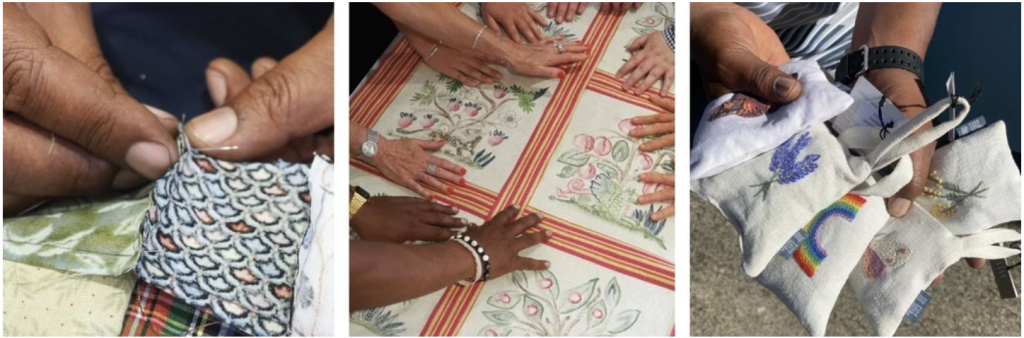
Lennox’s penchant for creating lavender bags began as an act of service, creating them as gifts that he could give to family and friends. He has gained various textile skills, accreditation from the Open College Network (OCN), and mentoring from OTG as an apprentice. After graduation, he planned to set up an online lavender bag and pillow business. “I’m starting to get everything together – I have a sewing machine, and I’ll go shopping on the Goldhawk Road for materials. I’m even planning to go to a lavender farm to take some photos for my website!”
These lavender bags, hand-embroidered by Lennox with delicate flower motifs and whimsical rainbows, are not just a hobby for him. They are evidence of a new life he has been crafting for himself. Each lavender bag and patchwork quilt puts more and more distance between his present and the shadows of his past.
All the apprentices at OTG are ex-offenders who have joined the programme post-release, usually after participating in Fine Cell Work (FCW), a charity and social enterprise prison programme that teaches prisoners soft work skills and fine needlework.
Lennox began his craft journey in prison through the FCW programme, making baby quilts and pillows. He says, “I ended up being class coordinator and getting others into Fine Cell Work. I would help others during the week too, checking in to see how they were getting on.” This innate calling to mentor others followed Lennox post-release as an FCW apprentice with OTG.
“When I was in prison, I was a Listener. I would talk to people that were coming in for the first time, because it would be hard for them. I would show them that I care. I’ve brought this to Open The Gate, and people have talked to me here too when they’ve struggled.” Lennox’s natural empathy to listen and advise others enabled him to gain an OCN qualification in Peer Teaching.
Just a few years ago, being a graduate of a programme like OTG would have been a far-removed reality for Lennox. He does not share too many details of why he was incarcerated, but hints at a revolving door of crime, which meant he had lost many of his formative years to life within prison. “I’ve been at Open The Gate for two years now. Without coming here, I’d be in prison. I’ve never been out this long – I’ve been in prison every year. I would have gone back to that old way of living, that pattern of behaviour, committing crime, but I am out of that now.”
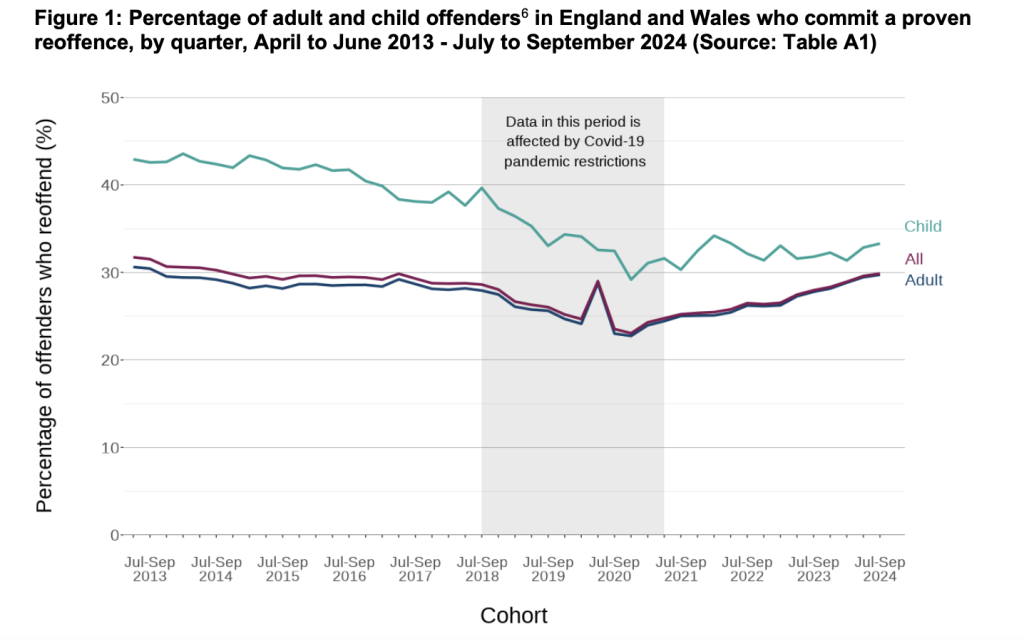
While Lennox has moved on to create a positive future for himself, there continue to be more than 85,000 prisoners who are incarcerated in the UK today. The latest reoffending rate is 29.6 per cent according to the Ministry of Justice, an increase of 2.1 percentage points from the previous year. Unfortunately for the new Prime Minister Andy Burnham, governance of the prison system is also in turmoil, with the recent resignation of Lord James Timpson from the prisons minister role. Burnham has paused the early release scheme in England and Wales, stymying the latest controversy for now, which could have seen around 6,000 prisoners released early in phases from September to ease overcrowding in prisons. In 2024-25, almost three-quarters of prisons, according to the Prison Reform Trust, were overcrowded.
Internally, prisons are not faring much better either. The recent annual report by the HM Chief Inspector of Prisons for England and Wales, Charlie Taylor, noted that of the 57 adult prisons inspected, 78 per cent were ranked as either “poor” or “not sufficiently good” when it came to purposeful activity for adult men and women.
Purposeful activity is defined in the report as when “prisoners are able, and expected, to engage in activity that is likely to benefit them.” A major factor compounding this issue is the amount of time prisoners spend locked up. With 34 per cent of men and 15 per cent of women reporting that they spent more than 22 hours in their cells on weekdays. This lack of meaningful activity is linked to a cycle of habitual drug abuse in prisons, and leaves them at risk of reoffending once they are released.
Programmes like FCW are attempting to change the way people in prisons use their time, and how this experience can translate into positive outcomes outside prison walls. FCW have a presence across more than 35 prisons in the UK. The recent HM Chief Inspector of Prisons report, however, found that the availability of recreational activities in men’s and women’s prisons remains fairly inconsistent.
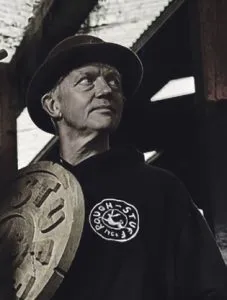
Other craft programmes include an artisanal chopping board company working with prisons called RoughStuff, and a programme run by Bamboo Bicycle Club that trains inmates to build sustainable bicycle frames with accreditation. The Duke of Edinburgh (DofE) certification scheme, which is also run in prisons, lists “crafting” as the fourth most popular skill that DofE participants opt for.
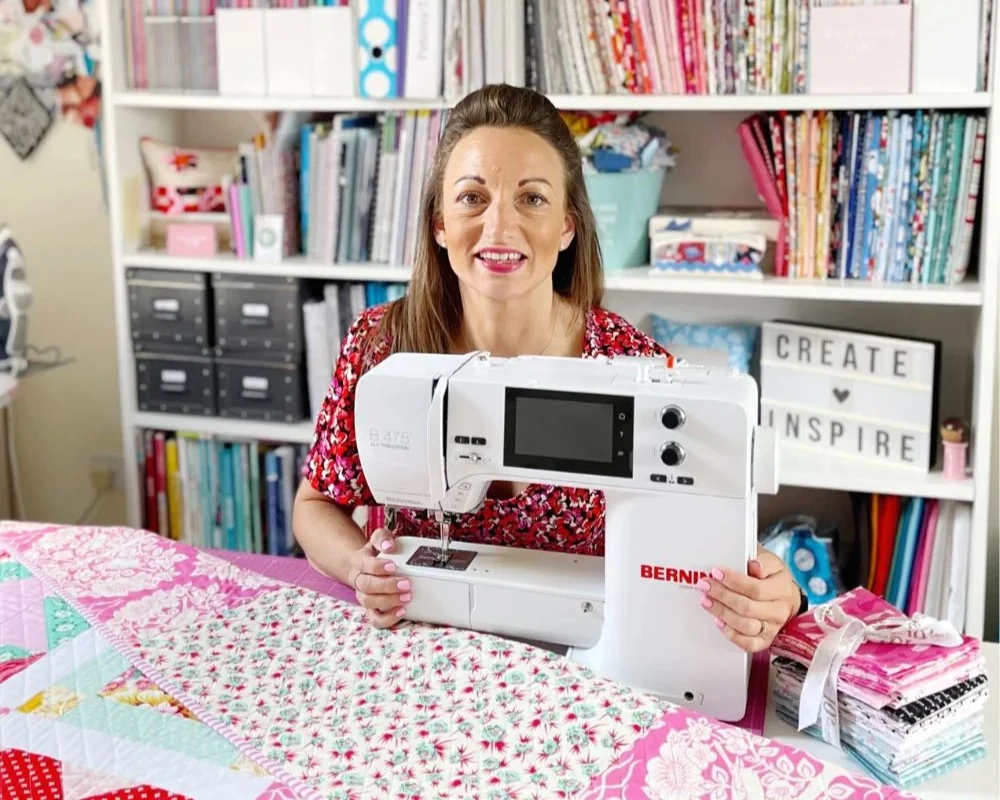
People are drawn to craft while being incarcerated, and there is evidence of such programmes supporting prisoners not only with purposeful activity, but also with well-being. Sarah Ashford, a modern quilter, teacher, and wellness coach who also mentors apprentices for the Open The Gate programme with FCW, says, “When you go into prison, all colour and creativity and vibrance and joy is stripped away. Through craft, you can almost tap into that joy again in some small way.”
An analysis of well-being outcomes from one creative music programme found an improvement amongst prisoners; from growing confidence, feeling more relaxed, being able to be themselves in prison, and a reduction in anger. One of the prisoners, Johnny from HMP Wayland, poignantly said, “I feel human again” after completing the music programme. While this is encouraging, there is a lack of comprehensive, independent data on the impact creative craft programmes specifically have in UK prisons over a sustained period of time.
Today, prisons in the UK are bursting at the seams with overcrowding, burdened by poor systems, and filled with hapless prisoners. Could scaling craft programmes like FCW across UK prisons offer long-term rehabilitation solutions that reduce reoffending and transform prisoner identity post-release? For alternative craft programmes like FCW to be integrated into prison operations, public attitudes towards the role of prisons in communities may need to evolve. In the last few centuries, crafts have been and continue to be an integral part of incarcerated life for prisoners in the UK. This tradition may have more to offer to change the role prisons play from the inside out.
The journey of carceral crafts from past to present
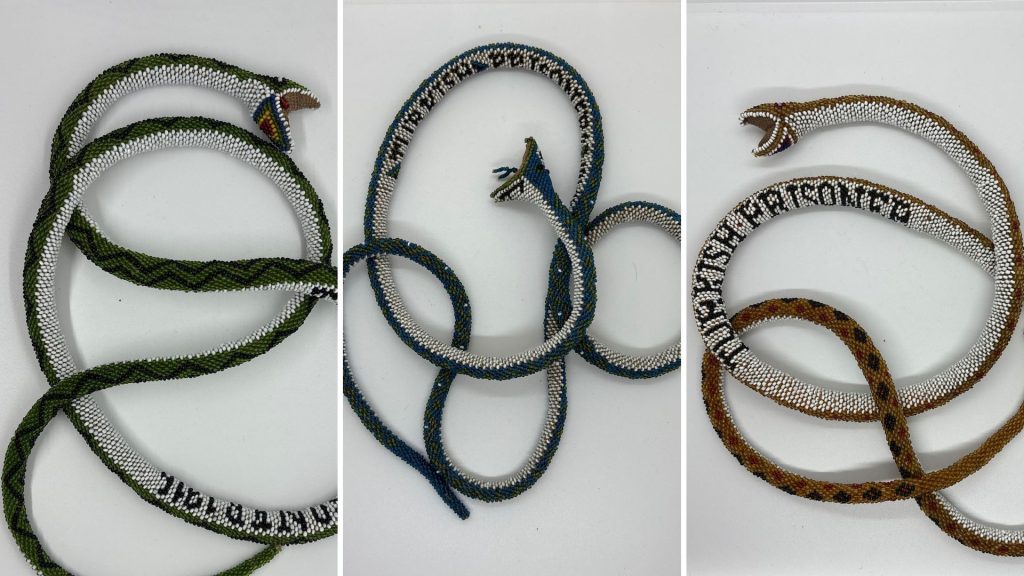
In the early 20th century, under Dutch colonial rule, there was a rich history surrounding the intricate batik textiles and the female prisoners on the Indonesian island of Java. Jessica Hemmings, a textile researcher and Professor of Craft at HDK-Valand, University of Gothenburg, has been researching the history of carceral crafts to understand whether they have created a legacy of prisoner oppression or expression.
Along with batik textiles, Hemmings has looked at bead knitting in Turkish prisoner of war camps, and lace making in colonial and contemporary South African prisons. In contemporary prisons, Hemmings says that most of us are familiar with the “rote, repetitive work with textiles” that prisoners do, such as laundry or sewing uniforms. What captured her interest while researching the history of carceral crafts was that she found prisoners either had these existing skills for craft, or craft was a reward for “good behaviour”. For the prisoners, these crafts also gave them an “opportunity for individual communication and expression”, which may have included “expressing some type of dissent or oppression”.

Craft is often associated with well-being, but Hemmings challenges this notion, saying, “I think that we’re reaching a real tipping point of having too naive an idea of craft and well-being.” The work of craft is labour intensive, requires a certain dexterity, and can frankly be quite “annoying and fiddly”, says Hemmings. But once you are in prison, what are your options: “Sitting around and making crochet or lace, rather than railing at the world in its unfairness”, says Hemmings. Or in the context of UK prisons, potentially facing more than 22 hours locked up in your cell?
As a researcher, Hemmings intentionally avoided interviewing the prisoners, saying, “I have a real discomfort with…speaking to somebody about their reasons for working with textile craft when I have my freedom, and they don’t.” Furthermore, she wants to discern the messages behind the carceral crafts she is researching by looking at them objectively as artefacts: “I have this idea that these textiles will communicate things in the absence of their makers.”
Carceral crafts were widely undertaken across the globe under colonial oppression, but this practice has a well-documented history in England too.
In the Victorian era, a woman called Lorina Bulwar was bundled off to a workhouse in Great Yarmouth by her brother after their parents died at the age of 55. This was an attempt to silence Bulwar and strip her of her identity by imprisoning her as a ‘lunatic’ in a workhouse. However, under the Brabazon Scheme, which encouraged female workhouse inmates to use handicrafts as occupational therapy, Bulwar created extraordinary embroidery samplers. Far from being silenced, these samplers, pieces of fabric used to practice and demonstrate needlework, shared her thoughts, feelings, and observations of workhouse life as a stitched stream of consciousness.
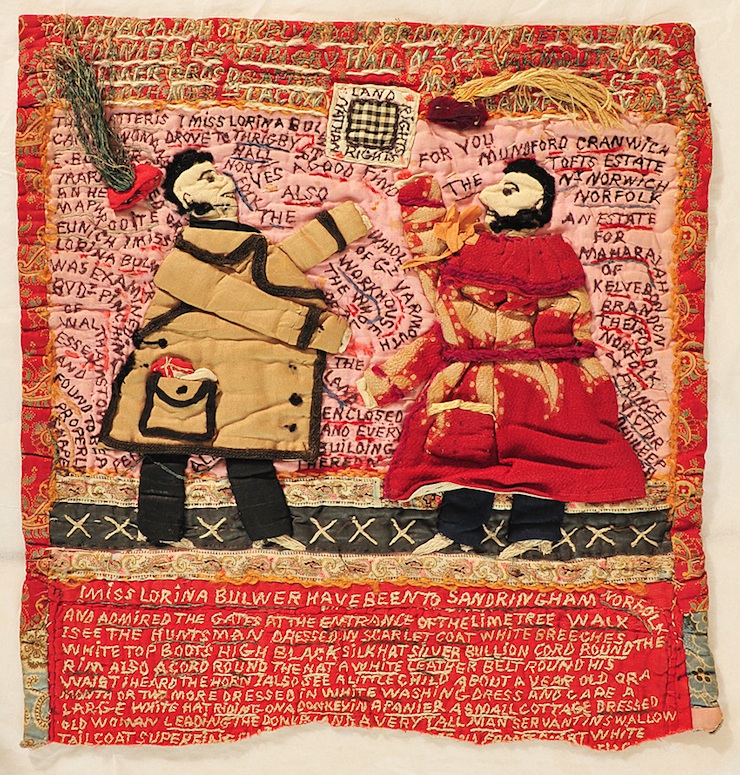

Bulwar created these scrolling samplers until her death at the workhouse in 1912. Today, some of these samplers are a testament to the life of an incarcerated woman who was full of emotion, anger, and even humour.
Ashford’s personal interest in crafts in prison led her to discover one of the most important historical artefacts of carceral crafts, the Rajah Quilt, a story she delivers formal lectures on regularly. The quilt was created by 180 female prisoners incarcerated on the prison ship, the Rajah, which journeyed from Woolwich in 1841 to Van Diemen’s Land, known as Tasmania today. The convicts created the quilt as a gift for the ladies committee on Van Diemen’s Land, with the project organised and led by a free woman called Kezia Hayter. “I think Kezia’s motivation was to try and improve the women’s lives and give them a sense of purpose and belief in themselves…she wanted to upskill them before they arrived in Van Diemen’s Land”, says Ashford.

Ashford discovered the story of the Rajah Quilt when she attended an exhibition at the Victoria and Albert (V&A) museum, which was displaying a quilt that was commissioned by the V&A through Fine Cell Work. This was the HMP Wandsworth quilt, made by prisoners over five years, which Ashford says was inspired by the original Rajah Quilt. The HMP Wandsworth quilt is filled with the expressiveness of Bulwer, while also displaying skilled needlework, like that of the intricate Rajah Quilt. The makers of the quilt reside in the largest prison in London, and some of the quilt’s patches display the fragility of life in prison, while others show the raw talent that a programme like Fine Cell Work has cultivated amongst people in prison.
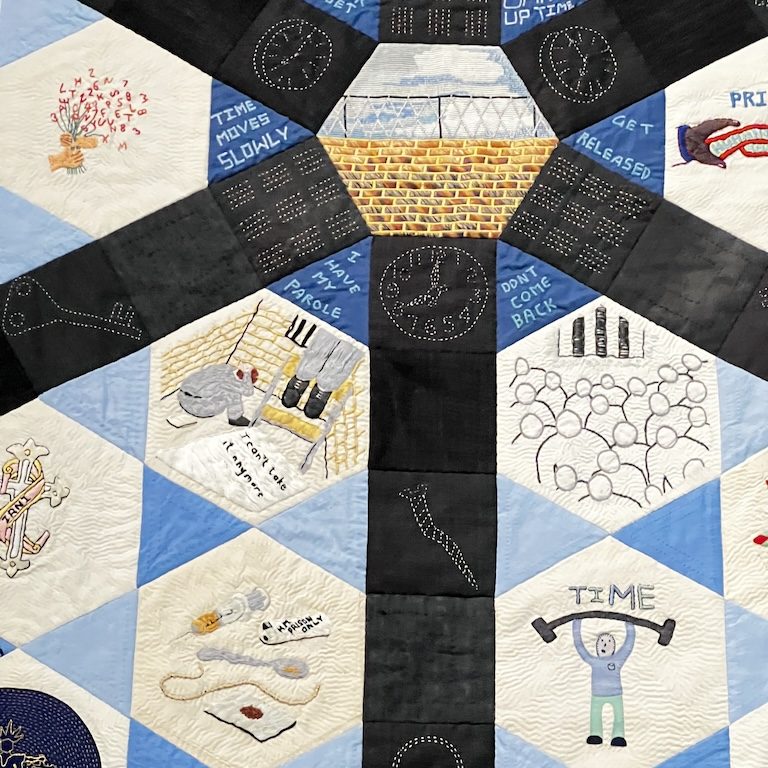
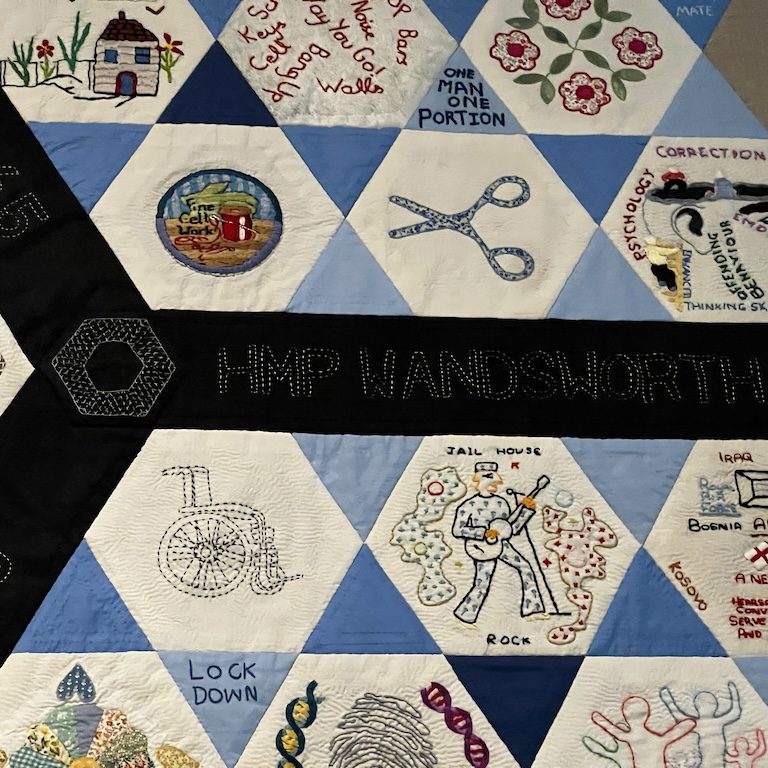
From past to present, craft has played an integral role in the lives of prisoners. Now, programmes that cultivate crafts within prisons are helping prisoners, who get to join them, discover new possibilities.
The craft economy in prisons

“Prison is like a mirror of life out here. It’s not a different thing”, says Paula Harriott. Harriott knows a thing or two about life in prison, having been incarcerated on a drugs offence back in 2004. Over twenty years later, she has become the Chief Executive Officer of the criminal justice charity Unlock, and is the co-host of the award-winning podcast ‘The Secret Life of Prisons’. Harriott explains that the things that motivate people in prison are the same as what motivates them outside of it. “People out here in the community, we engineer ourselves to get the best paid jobs, and we switch jobs for better pay. It’s the same in prison. It’s a community that’s looking for the hustle.”
Programmes like FCW present an attractive opportunity for prisoners, who can earn “approximately one third of the proceeds from sales”, and they are paid on a per-item basis, regardless of whether the piece is sold or not. Harriott shares that the idea of stitching and following a pattern was not very appealing to her “anti-authoritarian nature”. She also reflects frankly, “maybe, I didn’t need the money!”
For prisoners who get to work in the RoughStuff workshops, which currently operate in five different prisons, they don’t just “go through the motions”, they try to give practical insights on the commercial elements, says Matt Cannon. Cannon is the founder of RoughStuff and the Chief Executive Officer of The Hertfordshire Association for the Care and Rehabilitation of Offenders (HACRO). Coming from an entrepreneurial background himself, Cannon says that, “If we were allowed, which I’m trying to do, I would come in and explain the commerciality of running a business.”
For prisoners, this commercial urgency plays an important role in the workshop experience. “We may get a chopping board order from one of the restaurants for 50 boards, and they’ll need it in two weeks, so we like to explain why that’s important, and it gives them [the prisoners] a discipline and also huge pride in what they’re doing”, says Cannon.
On average, offenders working in RoughStuff workshops will spend 32 hours during the week there, and now Cannon says there are waiting lists to get into the workshops. Similarly, for Fine Cell Work, prisoners could be waiting up to two years in prison to become a part of one of the prison groups. The programmes’ popularity is leading to a bottleneck, with prisoners waiting to get onto the schemes. This raises the question of why there is not greater integration of these forms of “purposeful activity” in prisons.
Cannon shared the bureaucratic challenges of setting up a commercial workshop in prisons. “Prisons are prisons. They’re not commercial organisations. They are basically run to keep staff and prisoners safe, and that’s their ultimate goal.” Currently their workshop at HMP Mount is closed for refurbishment, a process that should have only taken three months, says Cannon, but “that was 12 months ago.” When Ashford approached HMP Dartmoor prison to conduct independent hand-stitching workshops, she faced far less friction. Her workshop was not a commercial venture and only lasted for a few days, so the challenges she faced in delivering the workshop were far less compared to Cannon.
Well-being and making prisons “normal” through craft
While volunteering at HMP Dartmoor, one prisoner stood out to Ashford amongst the others. He was a younger inmate, and he had been very low, self-harming, and really struggling. However, he had somehow got into craft and “discovered that he was very talented…officers showed me folders and folders of his portfolios”, says Ashford.
“When he did the stitching with me, he took on the role of my assistant because what we were doing was quite simple for him. For the others, it was the first time they’d ever stitched. He was able to do this really quickly, and he was supporting the others, which was really empowering for him. It gave him a sense of value, that he was really good at something and he could then share his skills with others.”
Overall, this experience gave her a window into the direct connection between craft and well-being in prisons. Ashford was told, “Prior to me being there, they [the prisoners] had been quite irritable, depressed, angry, and frustrated. After we had a couple of days stitching, they were collaborating, laughing together, supporting each other, and giving each other confidence.”
Harriott also observed that while the craft programmes were not suitable for her, she says, “There’s something lovely about the art of creation. While support programmes are good for your identity as well, there’s something quite therapeutic about the art of creation.”
Cannon also heard prisoners talk about this sense of identity. Many of the men said to Cannon, “Please tell your customers when we’re in your workshop, it feels as though we are not in prison.” For Cannon, it is these moments of synergy between the purpose the prisoners feel and the utility of the work that RoughStuff provides that makes working in prisons worthwhile.
While the commercial prospects of certain craft programmes have attracted inmates to join long waitlists, the therapeutic nature of these programmes also encourages greater well-being within prisoners.
Craft beyond the confines of incarceration
Ashford says that the OTG programme encourages their apprentices to be aspirational, but they are also there to ensure that, post-release, individuals are realistic about the future.
“It can be very difficult to make a living from craft”, says Ashford, let alone for an ex-offender who is contending with the red tape of probation. She recommends a “hybrid approach” which blends part-time craft work with a regular job. She also counsels mentees that if they make craft their “sole source of income”, it could “take the joy out of it” for them.
600 prisoners and prison-leavers have worked with FCW in the past year, but not all prison-leavers are able to be a part of the OTG programme, as it is based in London. Similarly, the HACRO initiative that Cannon oversees as CEO is mainly for ex-offenders living near Hertfordshire. For those individuals who are not able to join such programmes, what are their options?
Cannon is candid that he has “not got a clue” about where some of the people who leave prison and the RoughStuff programme go, or what they do. He believes this is the result of a lack of a”joined-up approach between the prison service and probation”. However, he had clarity on one fact: it costs up to £55,000 a year to lock someone up in prison. On the HACRO programme, it costs £5,000 a year to support people to desist from reoffending.
This lack of consistency between programmes in prison and outside has created a post-release gap. Harriott believes that “more niche activities need more examples and advice on routes to the industry” and people need support to understand e-commerce and the “gig economy”.
“There’s no harm done by learning a new skill. The reality is that across life we develop skills at certain times and we never know when we’re going to use them. They’re in the toolbox of life!”, says Harriott. Through Unlock, she says individuals have been supported to do carpentry professionally, and one man even went on to start his own furnace business. Craft skills, after all, are not only about learning to do a hand-stitch or carving wood. It’s also about the softer skills, says Harriott, like “persistence, consistency, attention to detail, and meeting deadlines” that add up to giving prisoners something they can take forward within prisons and beyond.