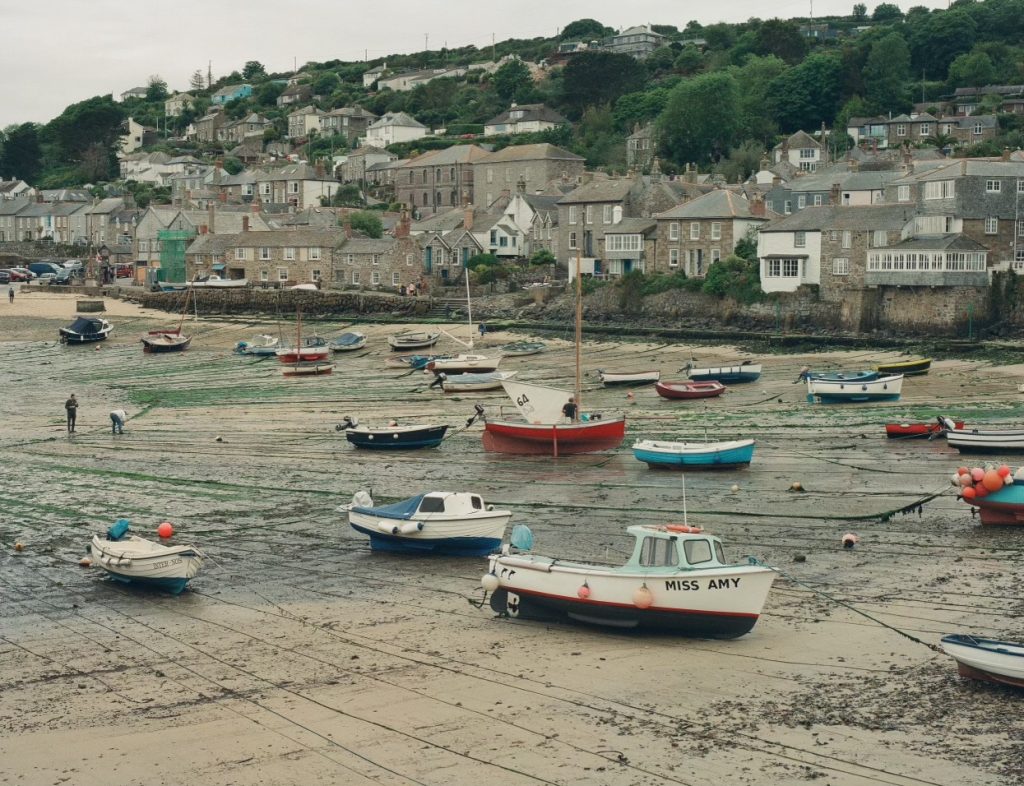
I’m looking at a listing on Airbnb for a beautiful house in Mousehole, a quaint village nestled along the curve of Cornwall’s southern coast, centered around a harbour once filled with fishing boats. The house, called ‘Green Hedges’ is a typecast holiday home, complete with all the expected rustic touches. The first photo shows a staged breakfast scene on the balcony — blue crockery, hot cross buns, daffodils, and two cushioned chairs, one with a straw hat hung over the arm. Beyond it, dazzling panoramic sea views stretch across the bay. The decor is minimal, with framed Cornish beach scenes giving colour to a few walls. It’s an Instagram-worthy, picture-perfect piece of Cornwall, available to anyone in the world to rent for £160 a night. It is also my old home.
I was born in the upstairs bedroom of the wooden house at the top of Raginnis Hill in the late nineties, as a rising September sun kissed the sea with flecks of gold. It was home for the next 18 years. It was where my older sister, Naomi, and I leapt from the garden swing in a game of ‘who can get the highest’, bloodying our knees. I played pass the parcel with primary school friends in the sitting room, where I later hosted chaotic teenage house parties. Now, advertised on my laptop screen as a “chic wooden cabin”, the house seems both incredibly familiar and entirely remote.
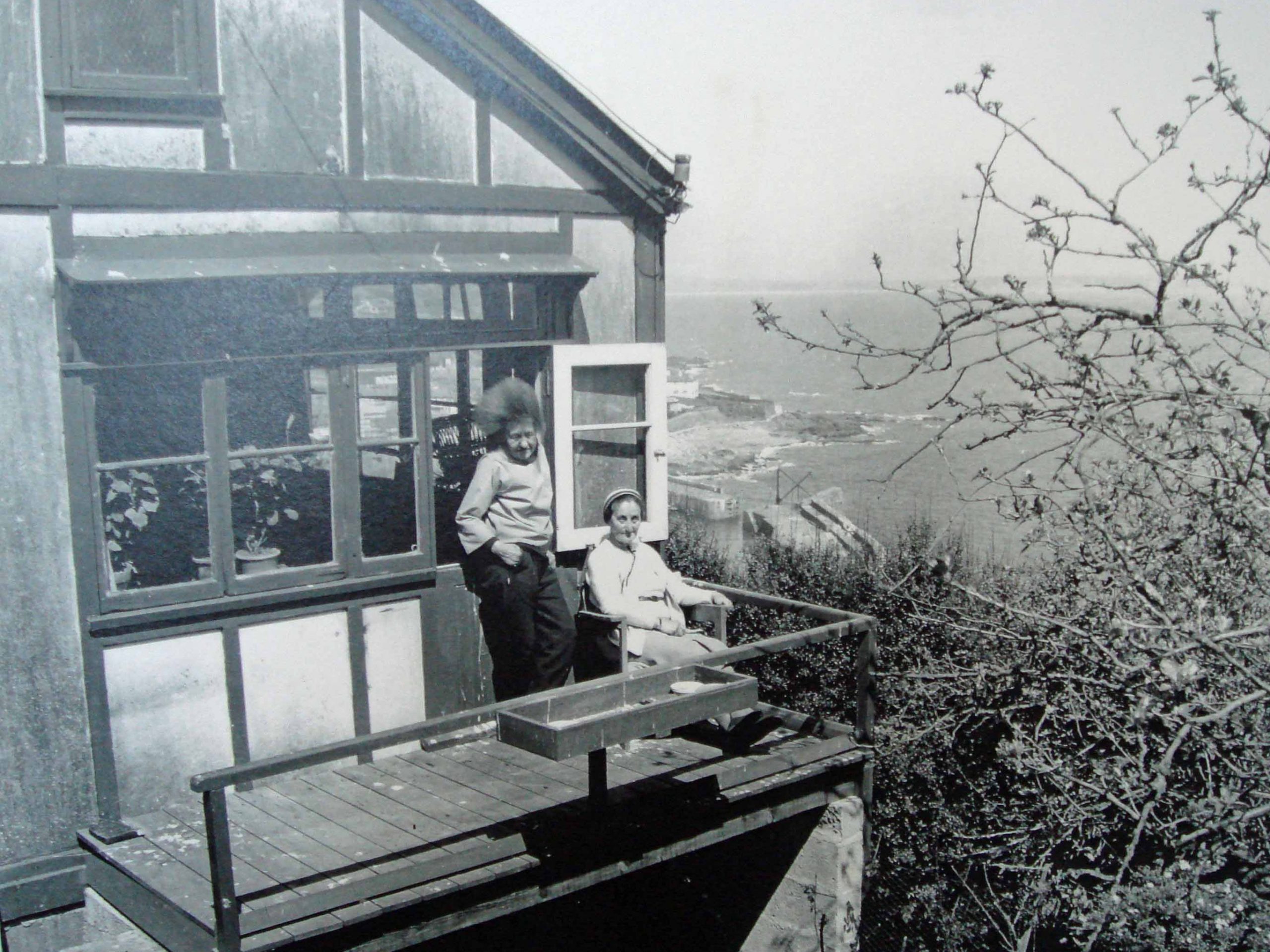
Green Hedges was originally built in the 1930s, commissioned by two sisters, Phyllis — fondly known as ‘Pog’ — and Dorothy Yglesias. They founded The Mousehole Wild Bird Sanctuary next door in 1928. The house was designed to accommodate staff as they trained them to care for sick and injured wild birds.
Phyllis passed away in 1975, and Dorothy followed five years later. The house went up for sale and was purchased in 1985 by American artist Connie Fox. She had it demolished, as it had been built with asbestos, and commissioned a new American-style timber home. Fox lived there for just a year before selling it to her son-in-law, Scott.
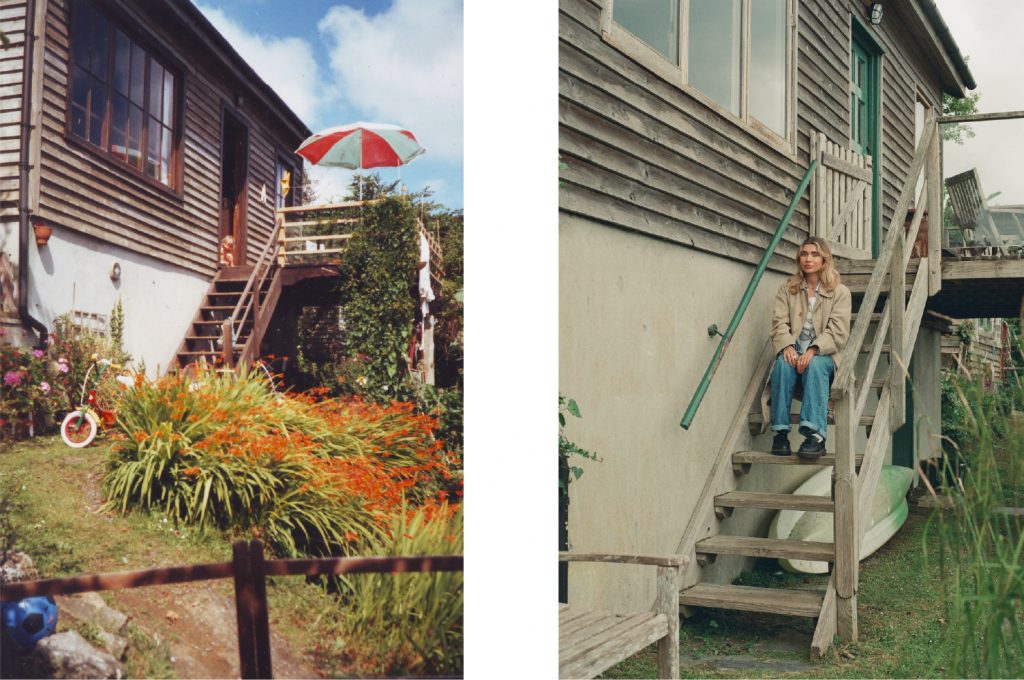
In 1989, my dad, Roger, moved into Green Hedges. My mum, Claire, joined him in 1994, and they rented the property together for 21 years. In 2015, they finally bought it. Once it was theirs, they began to renovate and tackled repairs that had long been neglected. First on the list was replacing the wooden decking and front steps, which had decayed so badly that the council removed them.
They didn’t plan to sell it, but after a few years, reality set in. They couldn’t afford the upkeep of a wooden house, and Mousehole was changing. A generation of Cornish residents had passed away, and their homes were swiftly sold and converted into holiday rentals or second properties for outsiders. The community was fading, and the number of local families dwindling. They had no choice but to put Green Hedges on the market, knowing it would likely go to someone who wouldn’t live there either.
Seven years after leaving Mousehole, I’m returning. It’s May 2024, and I’m searching for one man in particular — Bill Johnson. On my first visit, the streets are eerily quiet. It’s Friday, the changeover day for holiday cottages. Old guests leave, and new ones arrive. When I return the following Monday, the village is transformed, now teeming with flip-flop-wearing families carrying half-melted ice creams and beach chairs.
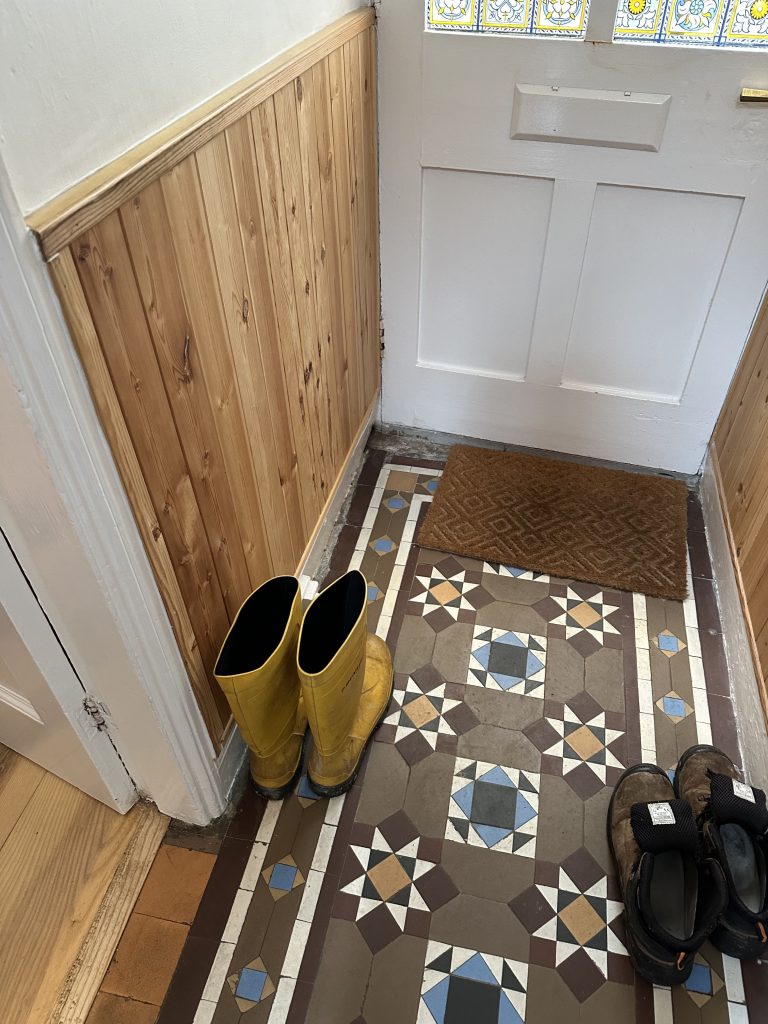
Growing up here, Bill Johnson was part of the village’s fabric. He is the deputy Harbourmaster and Skipper of the pilot boat Jen. Almost every day, you’d see him leaning against the railings, dressed in his signature yellow fisherman boots and matching rain jacket. He’d either be gazing out at the sea or watching over the harbour, known to locals as “The Mouse Hole”, a name drawn from Cornish folklore story The Mousehole Cat.
Now, as I return, a nagging worry lingers. If Bill isn’t there, could it mean the village has finally lost the last of its defining local characteristics? A lot has changed in Mousehole, and fast. My experience is emblematic of the rapid rise of short-term rentals in the county, a stark reality of postcard-perfect, contemporary Cornwall.
In November 2023, Action on Empty Homes revealed that 13,140 homes in the county are second homes or holiday rentals, unavailable to residents. The Mousehole I knew, once full of families and elderly locals with thick Cornish accents and kind weathered faces, now feels hollow and empty. In February 2024, Michael Gove announced new planning regulations for short-term rentals, aiming to remedy the housing crisis. As I wander streets I’ve walked thousands of times, I wonder: Is this change too late for Mousehole and other places like it in Cornwall?
As I walk past The Ship Inn, I spot Bill. He’s leaning against the railings, laughing mid-conversation with a man holding a terrier on a lead.
Incredibly warm-natured, he is more than happy to chat. I assume he’s Mousehole born and bred — as one of the longest-standing and most well-known locals. But he corrects me. He was born in the parish village of Paul, just a ten-minute walk up the hill, and has lived in Mousehole for only fifty years.
Not long after, his Wife Hester arrives. She’s kind-eyed and bouncy, with a neat blonde bob and a striped Breton top. She introduces herself and invites me into their cottage on the harbourfront as it starts to rain. Inside, I’m offered coffee and shortbread biscuits and introduced to their two cats. We chat for over an hour. Bill tells me that Sooty, a black cat, is a “Newlyn moggy” adopted from The Red Lion pub in Mousehole’s neighbouring fishing town. He’s timid. Claude, their other cat, is an elderly gent. He jumps onto Hester’s lap, purring contentedly as we talk.
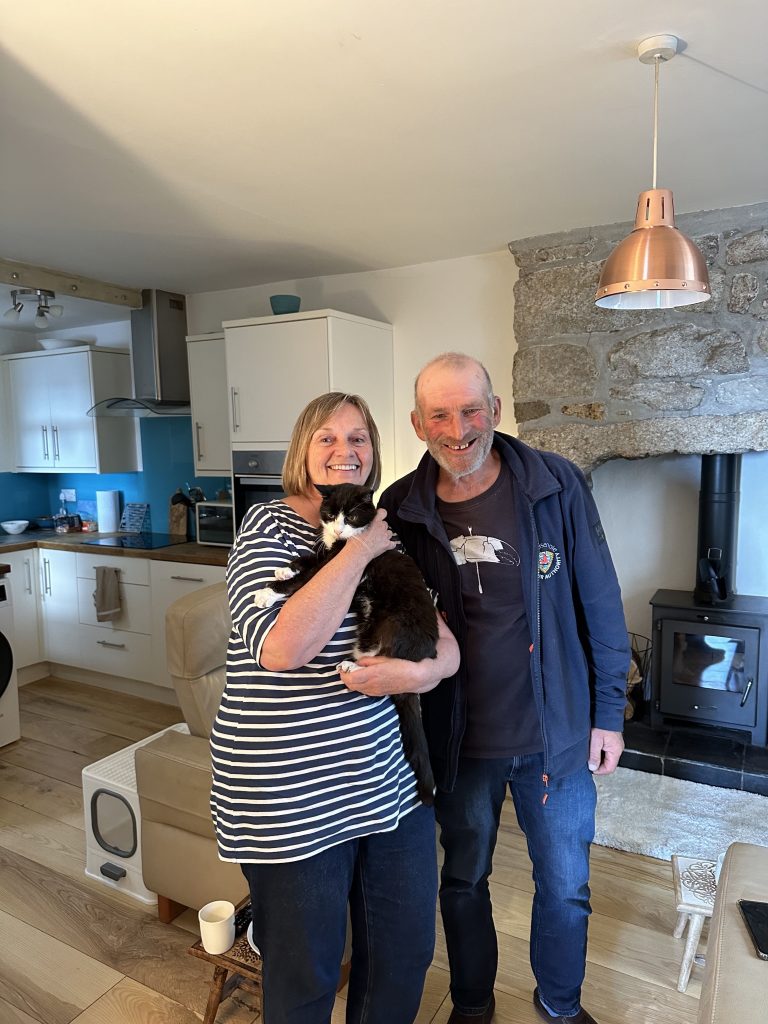
Bill and Hester embody the essence of the Cornish spirit — warm-hearted and welcoming, with a sharp sense of humour and an unwavering ability to stay positive through life’s challenges.
During our conversation, Bill mentions that this week marks the “old-fashioned Whitsun holiday.” It’s a Christian festival, Pentecost, celebrated fifty days after Easter. Today, it coincides with the first school half-term in Cornwall, when the warmer weather draws families to the county. “It’s as if somebody flicks a switch,” Bills says. “Come Friday or Saturday night, and they descend.”
Bill explains the yearly pattern of tourism in Cornwall, with the seasons reflected in the shifting demographics. “After this week, we go into a different mode of tourism, and you’ve got newlyweds and nearly-deads,” he says with a chuckle. “That lasts until the middle of July. Then, the families come when the schools break up, and then it’s September again, and back come the newlyweds and nearly-deads!”
When Mousehole was my home, there was a village shop and post office, Mousehole News and Stores, in the heart of North Cliff, the road overlooking the harbour. My sister and I would stop there on our way home from primary school to buy our favourite pink and white sugar mice and green turtle-shaped penny sweets. The shelves were always stocked with sacks of waxy local potatoes, cabbages, onions, fresh granary loaves, milk, eggs, and meat in the fridge. In the window sat an old rudder and wheel from a boat, and behind the counter, a middle-aged Cornish couple.
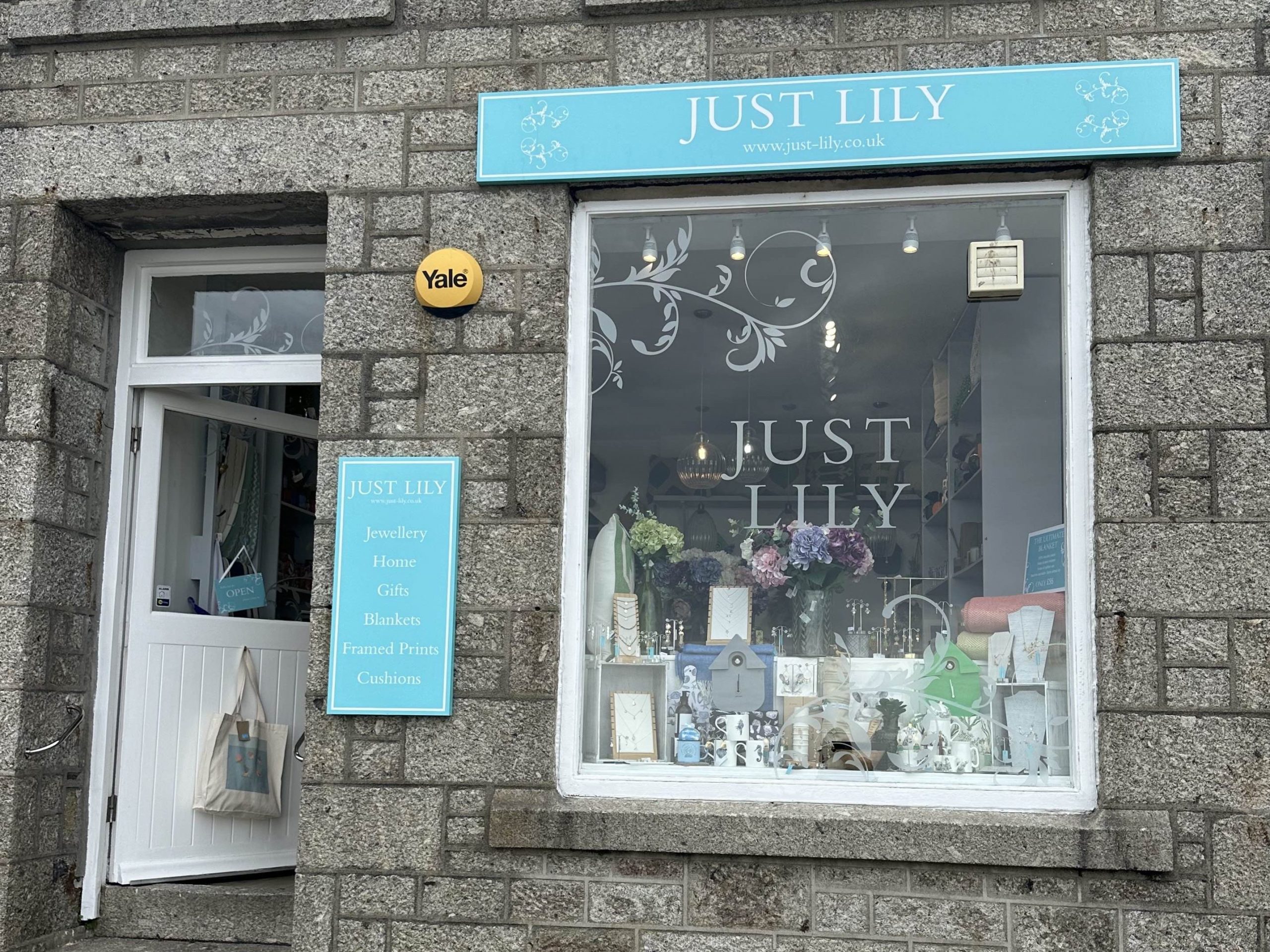
Now, the shop is gone, replaced by yet another gift shop. Shabby chic tealight holders, blue and white woven throws, and seashell-printed crockery now sit in the window. But this isn’t the village’s only loss.
“The Fish and Chip Shop has gone, and we’ve got two delis designed very much for high-end shoppers,” Bill says. For everyday essentials, they have to drive to Newlyn. There are two restaurants, 2 Fore Street and The Old Coastguard, which Hester says they can only afford to eat at for “special occasions.” Bill laughs as he tells me a few evenings prior, he spotted Kate Winslet dining at 2 Fore Street.
Hester, a self-proclaimed “Goggle-Boxy person”, relishes in celebrity spotting around the village. Last summer, when rumours spread that pop star Harry Styles was staying at The Old Coastguard Hotel, Hester asked Bill to keep an eye out. “Bill said, ‘Who?’” she laughs. “Then he rang me back and said ‘I saw some scruffy, long-haired git with a load of bouncers around him — presume that’s him walking through the village?’”
“About 80% of properties in Mousehole are now classified as not permanently lived in. They call it the creep”
This perfectly illustrates the dichotomy of Cornwall. Bill, ever humble and genuine, remains unchanged — save perhaps for a missing tooth or an extra line etched into his friendly face. Meanwhile, the village around him has transformed from a bustling fishing community into a glamorous retreat for holidaying celebrities.
Once, a holidaymaker even mistook Bill for an actor. As he put on his life jacket, they asked if it was “for the theme park”, and then questioned when the ‘theme park’ closed, assuming he was playing the part of a fisherman, not a real one. “It’s a bit like living in a goldfish bowl,” he says.
Hester hands me a copy of Cornwall Council’s Neighbourhood Plan for Penzance. “About 80% of properties in Mousehole are now classified as not permanently lived in. They call it the creep,” she says as if it were an infectious disease. “It started in Mousehole, now it’s creeping to Newlyn, and it’ll be the same in St Just.”
“Villages that weren’t affected before, are now,” Bill adds. “But there’s no infrastructure. The sewage is overloaded, doctors’ surgeries are creaking, and you try as you might to get a doctor’s appointment this time of year with the influx of people.”
“I can’t recall how many times the population grows during the six weeks of July to September,” Hester says. “We always say it’s not a time to be unwell. I keep saying to my mum, who’s 94 and has her health issues, ‘You’ve got to stay well, Mother!’”
Bill has two grown sons. Their only option to buy homes was in Pendeen, nine miles away, even though their dad has lived in Mousehole for fifty years and is deeply woven into the village. “You’ve got a chance in hell of young people buying in the village,” Hester says, shaking her head, her blonde bob skimming her cheeks.
Sipping his coffee, Bill sighs. “Anyone that sells a place in Kensington and Chelsea can buy a mansion here still with their small change.”
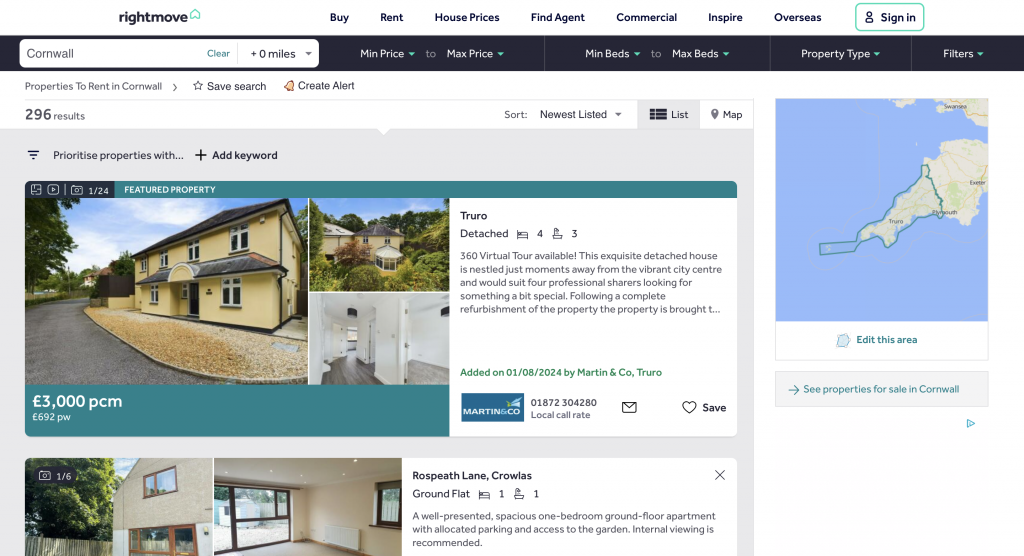
Council figures from a meeting in January reveal the harsh reality for many in Cornwall. More than 800 families are living in emergency, temporary housing. These range from holiday homes to hotels, B&Bs, and static caravans. Meanwhile, life goes on for those who already call Cornwall home.
One of them is Darrell Roland. He’s friendly and sharp-witted, with a thick, gravelly Cornish accent, cropped blonde hair, and sun-tanned skin. He and his 7-year-old daughter, Elowen, are staying in temporary housing in Penzance, whilst waiting for something permanent. He is a former drug addict who battles bipolar disorder, but he’s turned his focus to weightlifting and staying fit. When we spoke, Elowen had just gone to stay with her newly sober mum for the first time in five years. Darrell, who has raised Elowen as a single dad with full custody, proudly shows off a photo of her grinning on his phone screen.
Their house was once a holiday let. Though it’s classified as temporary, they’ve been living there for two years. It’s a small space, similar to a studio flat, with a kitchenette attached. There’s just enough room for a sofa, a coffee table, and a small dining table with two chairs by the window. Darrell’s belongings and Elowen’s toys are tucked into every corner. A door leads to the bedroom they share, and next to it a small bathroom.
“I’ve got a local community, I’ve got friends here, it’s my life. I’m not going anywhere”
“The first 14 months of living here, I had much more energy,” he says. “But then the depression of being stuck in this place set in. Now I’m watching my daughter get down about it as well. She wants her princess wallpaper. She wants her unicorn bed. She wants space for her Barbies. She just wants to be a little girl.”
Before moving here, Darrell and Elowen lived on Medrose Terrace in East Penzance. “I made it as nice as I could,” he recalls. But two weeks in, a wet patch appeared in the bedroom. This sparked a nearly two-year battle with the estate agent, who insisted the issue was “acceptable.” Things only got worse. “I had smoke coming out of light switches,” Darrell says. After 16 months of complaints, he reached breaking point and withheld rent. “I was at my wit’s end.”
They were evicted and registered as Statutory Homeless. Now, under the Statutory Homeless Agreement, Darrell must bid on social housing every week. “There could be 60 other bids, or 250,” he says. “You have a position on it, and get to number one and think ‘Oh great’, but there’s always a reason it doesn’t work out.” Sometimes, the only available options are as far as County Durham. But Darrell refuses to leave Penzance. It’s his home, where he was born and raised, and all he and Elowen know. “I’ve got a local community, I’ve got friends here, it’s my life. I’m not going anywhere.”
Despite the challenges, Darrell remains endlessly optimistic. “It’s a struggle. It’s hard. But recently, Elowen’s mum is back in the picture, which is fantastic. That’s a good thing. And what a place to be with a daughter — you’ve got three parks and the beach. I could list a million things to be grateful for.”
“In Cornwall, there’s a temptation to think, ‘If we could just get rid of second homes and holiday lets, the housing crisis would be solved’”
Since the pandemic, the number of families in temporary accommodation has skyrocketed, largely driven by the rise in holiday lets. Allister Young, Director of Coastline Housing, knows the crisis well. He sports a wide grin, glasses, and a soft Northern Irish accent. As a charitable organisation, they work to build homes for those on Cornwall’s social housing register. “The Council went from supporting 150-200 families to about 1,000 within a month or two,” he explains. “And because there aren’t homes available to move into, there’s 800 households stuck in temporary accommodation.”
With a practical mindset, he knows the solution isn’t as simple as turning holiday homes back into permanent residencies. “In Cornwall, there’s a temptation to think, ‘If we could just get rid of second homes and holiday lets, the housing crisis would be solved,’” he says. “It’s certainly true there would be more homes available, but there’s not enough of them that there suddenly wouldn’t be a housing crisis. They’re also not necessarily the right homes in the right places people would want to live.”
Young emphasises a key issue. “The percentage of Cornwall built on with homes is 3.5%. There is absolutely no shortage of land,” he says. However, he points out that navigating the planning system efficiently is the real challenge, with complex barriers beyond just land availability. “The problem,” he explains, “is getting that land through the planning process quickly enough and in the right places.”
He believes the solution is to build new, affordable homes. As a rapidly growing housing association, Coastline Housing constructs “roughly 200 new homes a year,” and now has 5,500 homes “up and down the length of Cornwall.”
Starting in April 2025, second homeowners in the county will face a 100%+ premium on Council Tax. Other sought-after holiday destinations in the UK, such as Pembrokeshire in Wales, and Swanage in Dorset, have already adopted similar strategies.
Andrew Exelby, founder of the St Just-based agency Andrew Exelby Estate Agents, has already seen a reaction to the new charge. “I’ve had a lot of second homeowners selling because they feel put out that they’re being asked to pay double council tax when they don’t even live here,” he says.
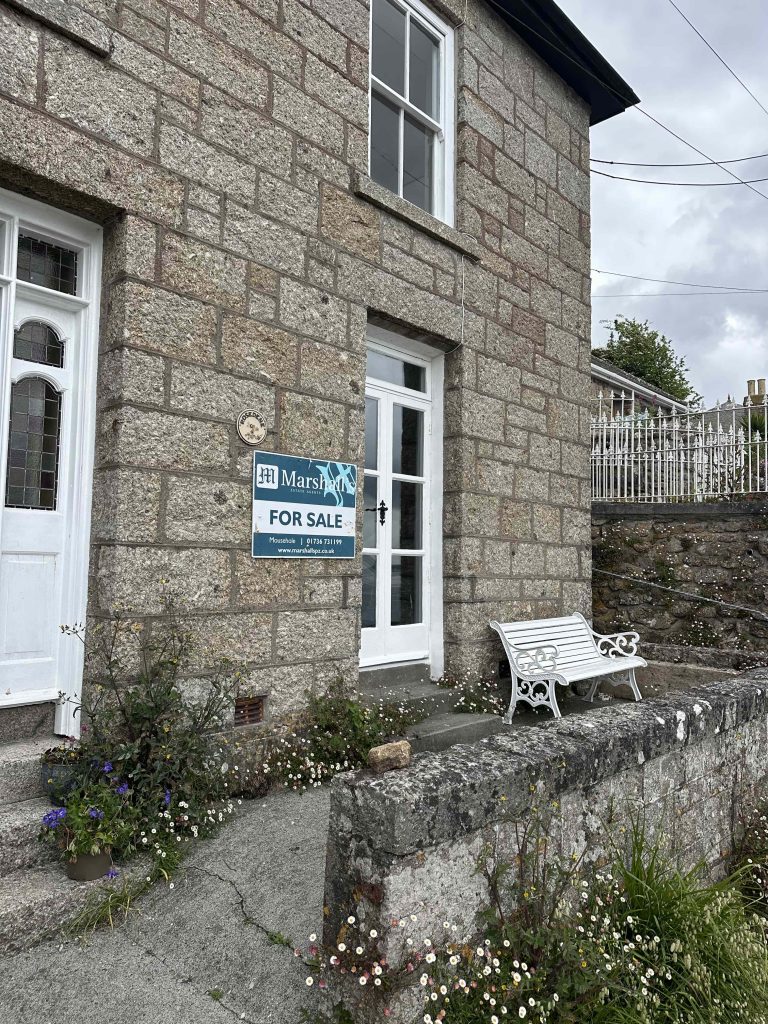
Prospective buyers interested in rental or part-time homes are often deterred by properties needing renovations. This has created opportunities for adaptable, local buyers. “For desperate families, they’ll do anything,” he says. “I recently sold a one-bedroom cottage in St Just to a family of four, as sadly it was all they could afford. Their attitude was, ‘We just need a home’, and they’ve spent their time ever since transforming it into a lovely two-bed cottage.”
There is a stark disconnect between Cornish communities and the vacationers who flock to the county. Cornwall is one of the poorest areas in the UK, yet also one of the most sought-after and romanticised holiday destinations. There are two Cornwalls: one is an idyllic, fairy-tale paradise. The other is a hidden world of poverty that affluent homeowners and visitors rarely see. It doesn’t align with their seaside fantasies. Exelby sees the irony. “What immediately attracts the second-home and holiday-home investors or the holidaymakers, is ultimately being destroyed by what is being done, by them, to Cornwall,” he says.
Tourism accounts for 15% of Cornwall’s economy, with visitors contributing £2 billion annually, according to a report by The Cornwall and Isles of Scilly Enterprise Partnership.
Deborah Tonkin, a vibrant woman with fiery red hair and a contagious laugh, runs a holiday home cleaning business. Before this, she worked as a Dinner Lady at Mousehole Primary School. In 2013 she moved from Mousehole with her three daughters, Lowenna, Merryn and Rowan. “I worked out recently that if I went back to working in the school kitchen, I’d earn the same amount of money working a week than I do now working a day,” she says.
Deborah acknowledges how fortunate she is. Tourism has allowed her to choose her work and capitalize on the opportunities it offers. “My daughter Lowenna and I both earn our living from tourism to the extent of being able to buy a property. But that’s a complete catch-22, isn’t it?” She pauses, eyes wide. “I wouldn’t have that lovely WhatsApp photo taken on the lovely sunshine holiday that I took my whole family on unless I worked in tourism.”
“We haven’t got a housing crisis, we’ve got a greed problem. And I feel we’ve lost balance”
She likens the situation to a jigsaw puzzle, with missing pieces and others that no longer fit. “It’s just gone too far. Tourism has been around forever here. We’re not the first generation. If I stopped doing my job, someone else would do it. Unfortunately, I can’t change the way of the world by changing what I do for a living.”
Buying a piece of Cornwall seems like a wise investment for property owners, but it has left the holiday-letting industry feeling cold and impersonal. The human connection that once defined it has faded, replaced by a sense of detachment that underscores its transactional nature. “I work with people I’ve never met,” Deborah says, “And I don’t think many homeowners have ever seen their cottages.”
Deborah believes the conversation on housing in Cornwall needs to change, starting with the language. “You see these headlines while you’re stood in the queue at Lidl, all about this ‘housing crisis,’ she says, gesturing animatedly with her arms in the air. “I just want to jump up and down and shout ‘There is no housing crisis! There are enough houses, they’re just not being lived in!’ We haven’t got a housing crisis, we’ve got a greed problem. And I feel we’ve lost balance.”
Protests have swept through the county in recent years, driven by the group First Not Second Homes. They’re pushing for immediate legislative change and a fairer system that puts local communities ahead of wealthy second-home owners and investors. Andrew George, the newly elected Liberal Democrat MP for St Ives, is a vocal advocate for housing justice in Cornwall and is often spotted at rallies with them. “We have a system that is currently operating completely against the interests of local people and families in housing need,” George says.
George has called the situation “Robin Hood in Reverse”, a reference to policies that benefit the wealthy at the expense of the poor. “The metaphor of Robin Hood in Reverse is like taking money from the poor and handing it to the rich,” he says. “The housing sector illustrates what is happening more widely in terms of widening inequality in this country. Effectively, the rich are being subsidised by the poor.”
Critical of the national housing policy, George describes it as a “macho bidding war” between political parties. “‘We’ll build more houses than you will,’” he says, imitating Government leaders. “Cornwall is a classic example of where that policy fails. In the last 60 years, the housing stock has almost tripled, yet the housing problems have significantly worsened. We don’t build the right kind of housing, and we don’t ensure it’s affordable.”
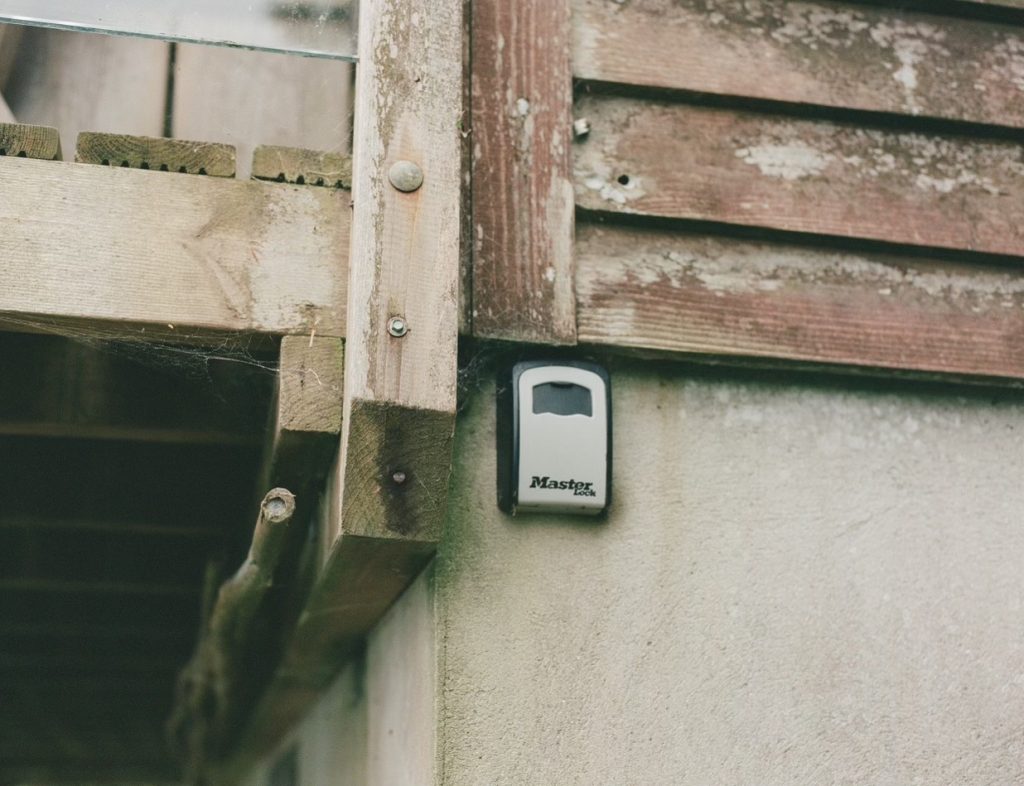
That late May morning I returned to Mousehole, I’d hoped to visit my childhood home. But after a mix-up with the cleaner’s schedule on changeover day, I found myself locked out, peering through the windows. What was once a home filled with the organised chaos of family life, had become a commodity. Like so many others in the village, it now had a key safe by the front door and no entry without the magic code. With a heavy heart, I turned and left.