As Labour plans new restrictions on citizenship and language rules, Ola Mendykowska reflects on what it took to become British – and what that says about who’s allowed to belong
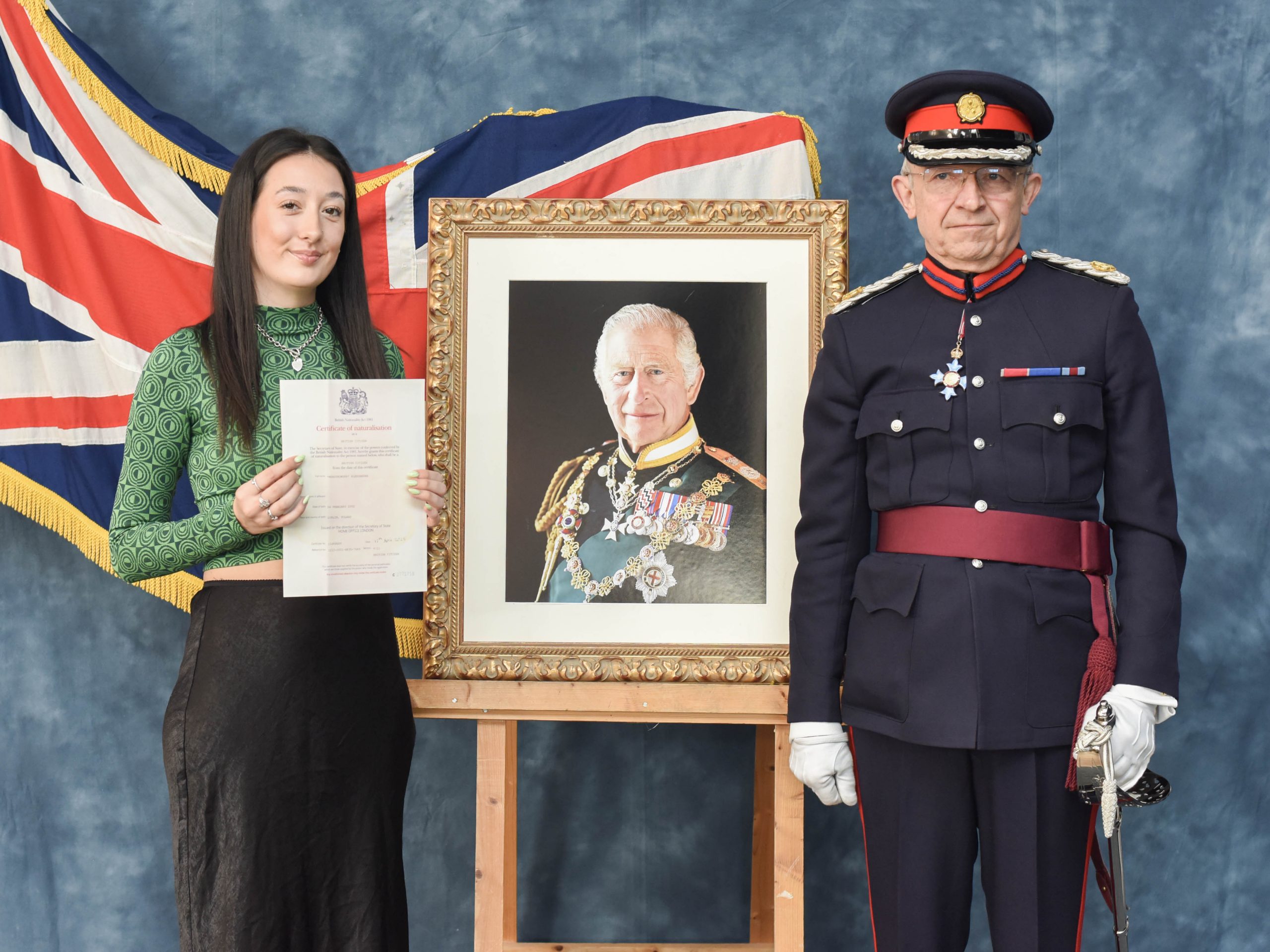
Citi Photo
I became British on a sunny, blue-sky Thursday in April, in a hall in the London Borough of Ealing. It was a surprisingly emotional day – not just because of the words I recited, or the passport I would soon apply for and receive, but because it felt like a quiet “finally” moment. Finally, something that matched the life I had already been living for nearly two decades. I celebrated the only way that felt right: a full English breakfast, followed by a pint at the pub. How much more British can you get?
But as I stood in that quiet ceremony room, one of a dozen new citizens smiling awkwardly next to a framed portrait of the King, I couldn’t shake a more uneasy feeling. This wasn’t just a personal milestone. It was a political act, and one that’s becoming harder, more expensive, and more loaded with meaning.
Keir Starmer’s Labour party recently announced a sweeping set of immigration reforms, part of a plan to reduce net migration by 2029. Among them are tougher English language requirements, stricter rules for spouses and dependents, and changes to the very test I had to pass – the infamous “Life in the UK” exam. The message is clear: becoming British must now be earned. And what you need to earn it is changing rapidly.
In theory, these reforms are about integration. In practice, they seem designed to make the line between “us” and “them” harder to cross. After years of post-Brexit uncertainty, many like me are finally applying – not because we suddenly feel more British, but because we want to protect the lives we’ve already built here. And yet, even that protection is increasingly conditional.
So what does it mean to “become” British now: when the rules are changing, the welcome feels colder, and the process itself has become a kind of political performance? For me, it meant a long wait, a pile of paperwork, a hefty price tag, and a sense of both pride and quiet defiance. But for others, the barriers are higher and the symbolism heavier.
This is the story of how I became British – and what that means in a country still unsure who gets to belong.
I moved to London from Poland when I was five. I couldn’t speak a word of English, but six months later I was fluent. Children adapt quickly, and I did. I had British friends, went to a British school, and absorbed everything from playground slang to school uniform etiquette. By most measures, I was a British kid. Except on paper.
At home, we spoke Polish. I spent summers in Lublin and went to Polish Saturday school for ten years. So I always felt like I had one foot in each world – British in the classroom, Polish in the living room. That never bothered me. But there was always this quiet absence – a piece of paper I didn’t have, a form I couldn’t fill, a status that made me slightly “other,” even if only technically.
I was ready to apply for citizenship in 2022. I had already passed the Life in the UK test and assumed that, since all my education had been in Britain, I wouldn’t need to do a language test. But I was wrong – I needed either a language test or a UK degree, and since I was already paying for a degree, I waited rather than pay extra. I finished my linguistics degree in 2024 (with Spanish, ironically – as one of my friends joked, “You needed a Spanish degree to become British”) and restarted the application process.
The decision wasn’t just bureaucratic. It was emotional. I had spent years answering questions like “Wait, you’re not British?” or “How are you still here after Brexit?” – asked casually, but always with a hint of disbelief. It didn’t help that I would sometimes get the standard immigrant jokes from friends: always talking about Poland, always the “other.” I didn’t mind, not really, but something in me wanted to say: “Fine. You want me to be British? I’ll make it official.”
My parents never took that step. My mum once got as far as preparing her application, only for the rules to change. A new rule was passed meaning she was suddenly required to have a residence permit for a year first. That delay cost her £130 in test fees she’ll never get back, and she never reapplied. She teaches Year 3 pupils English, reading, and history and yet she still doesn’t ‘qualify’ without taking the same test.
If my parents hadn’t covered the cost for me and my brother, I probably wouldn’t have done it either. The fee is more than £1,600. For the right to keep living the life I’ve always lived?
Still, I know exactly why they paid. After Brexit, after the fireworks the night we left the EU back in January 2020, after seeing Polish cultural centres graffitied with “Go home” – they wanted to make sure their children would never be treated differently just for not having the right passport.
And that fear hasn’t gone away. Just a few weeks after my citizenship ceremony in April, Keir Starmer’s Labour party released its immigration White Paper, pledging to make the system “tougher, fairer, and properly enforced.” The proposals include stricter English language rules, a longer path to settlement, and tighter visa routes for families and workers. Starmer said settlement in the UK should be “a privilege that must be earned, not a right.”
It’s the kind of rhetoric you’d expect from the Conservatives – or Reform – not the centre-left. But it reflects just how politicised the idea of belonging has become. Integration, in this context, seems less about support and more about suspicion. For many migrants, the message is clear: you might live here, contribute here, even raise your children here – but you’ll still have to prove you deserve to stay.
That decision – to protect us through paperwork – meant handing over not just money, but time. Applying for citizenship is basically a part-time job. You pay a fee of over £1,600 and then navigate a maze of paperwork, tests, and vague Home Office guidance. The scariest part? If you get something wrong, your application can be rejected – and you don’t get a refund.
I had to account for every single date I had entered and left the UK in the past five years. I like to travel, which meant I had to sit down with my family and scroll through our camera rolls to piece together old holidays. That kind of detail feels ridiculous, especially knowing border records already exist. But the fear of getting it wrong – and losing £1,600 – makes you obsess over every form.
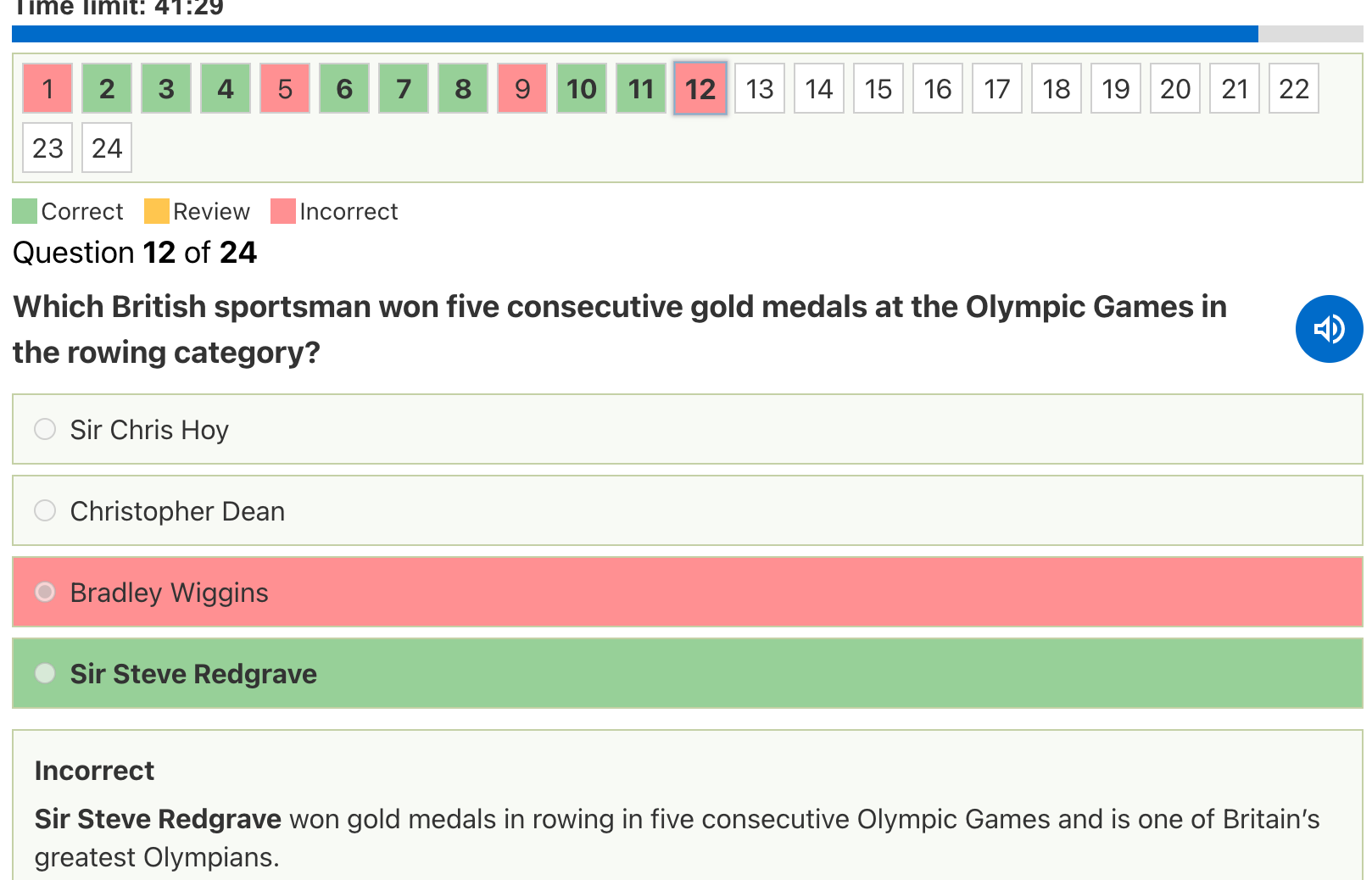
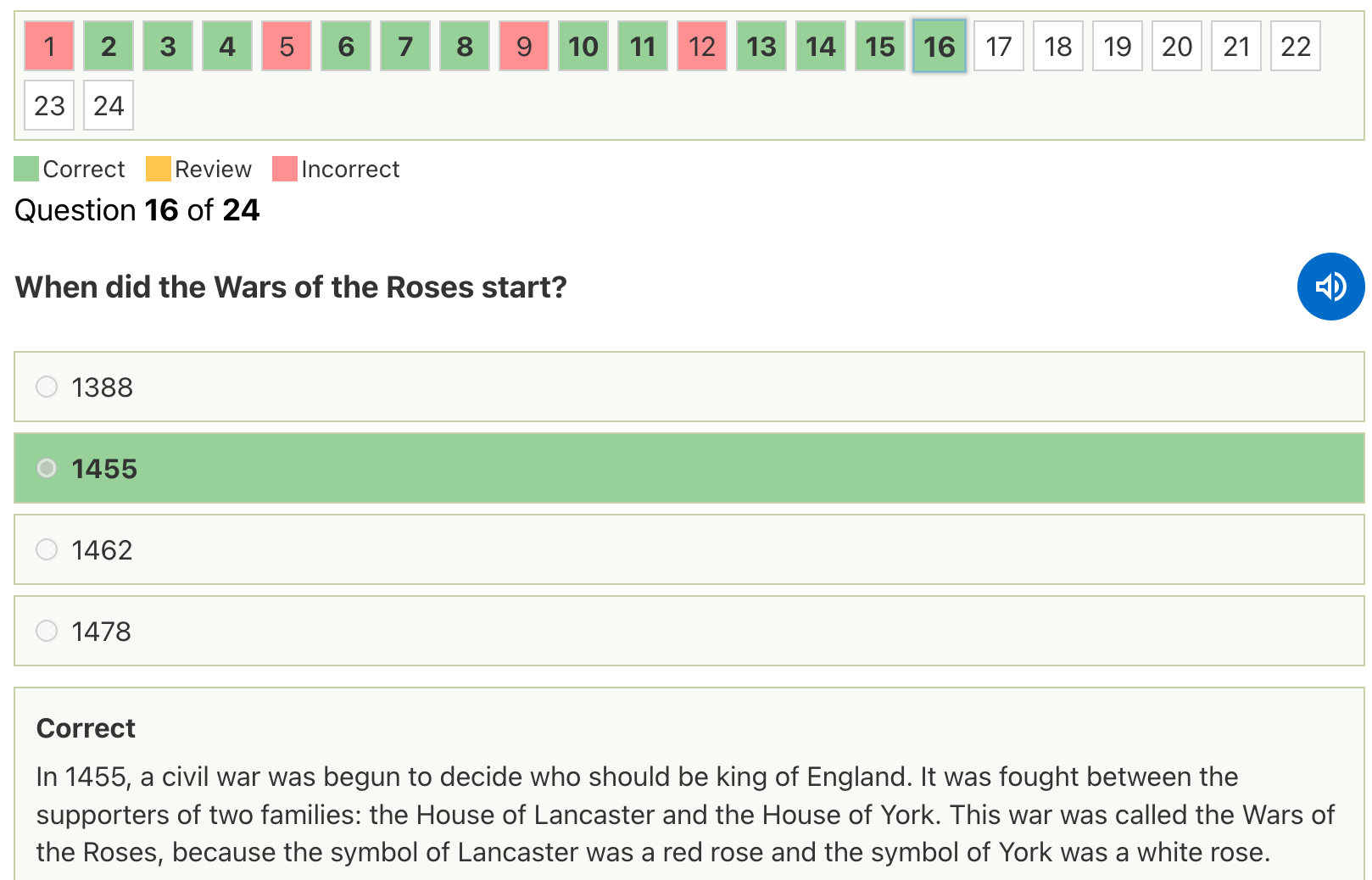
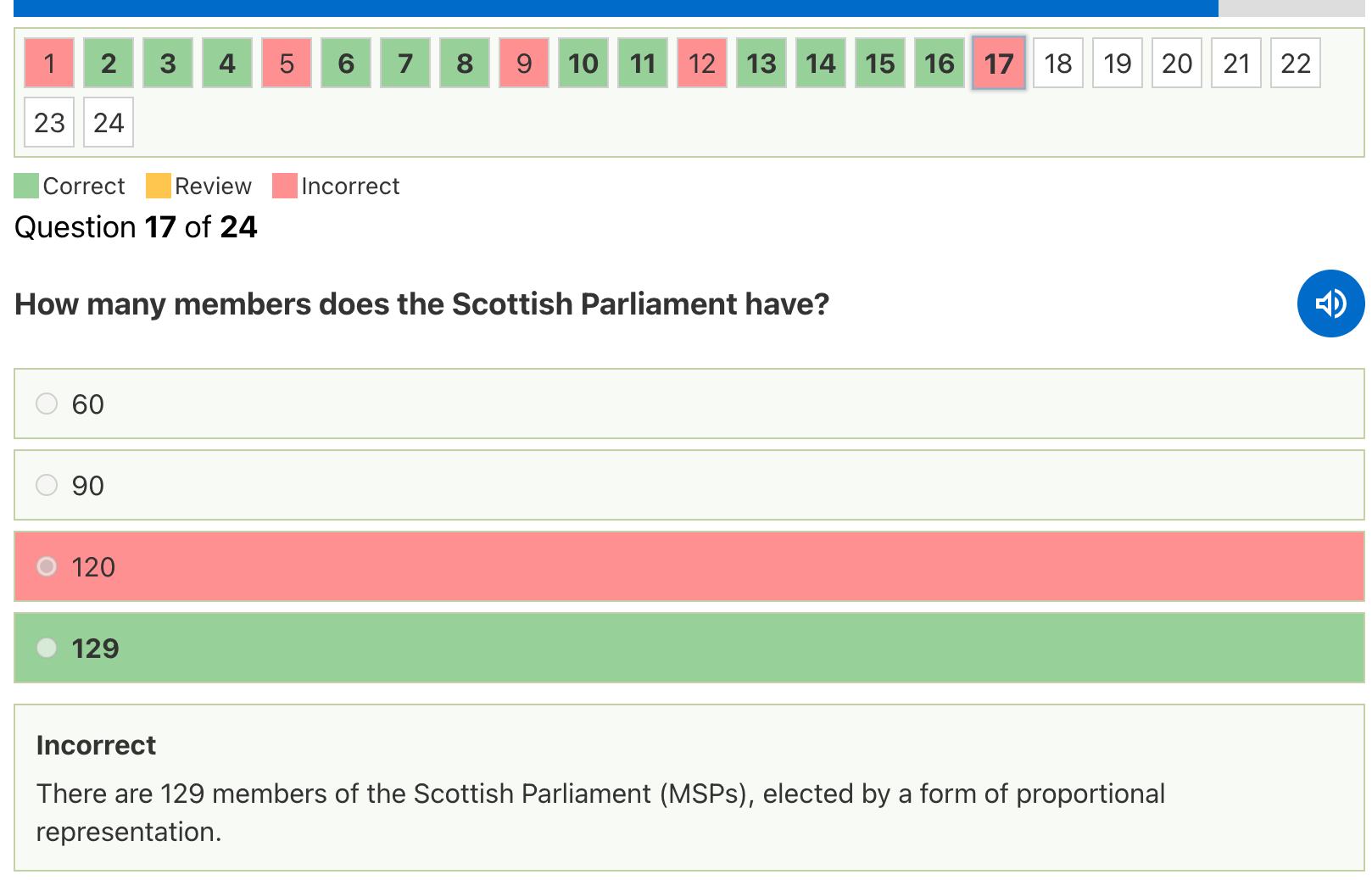
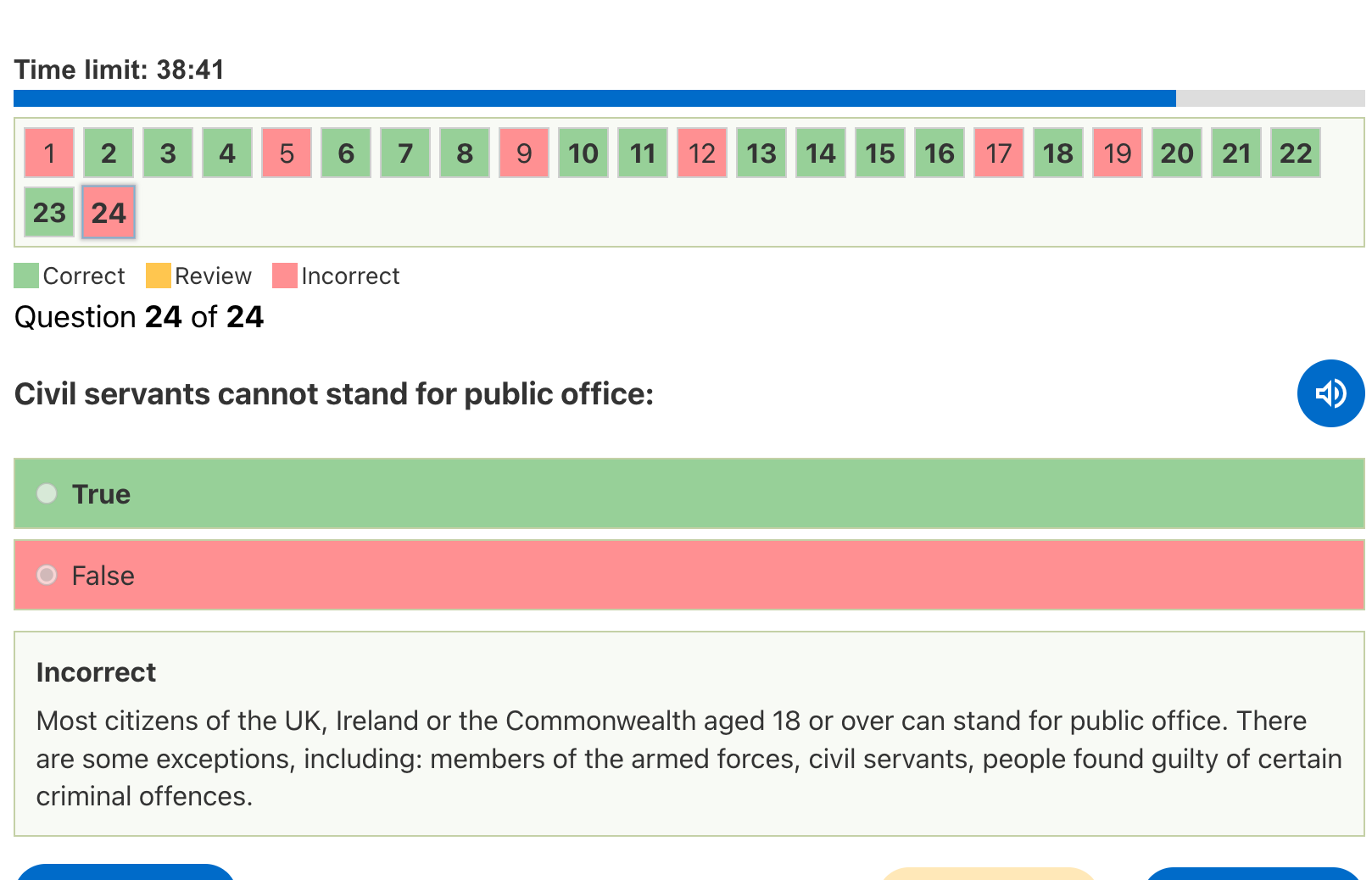
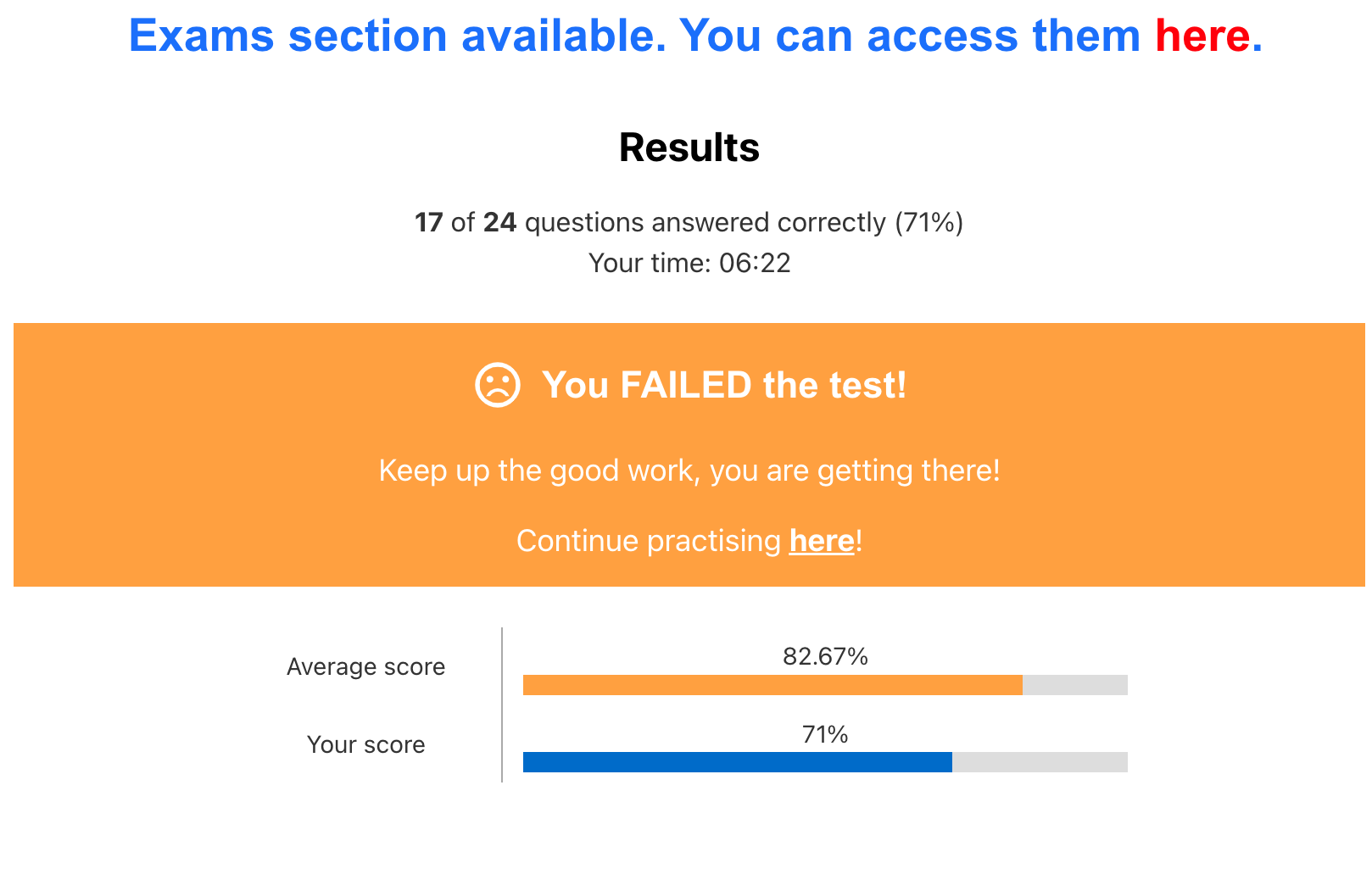
While researching for this article, I decided to retake a mock version of the Life in the UK test – just to see how I’d do now. I failed. I got 17 out of 24, scoring 71% – one mark below the pass rate. Despite living here most of my life, going through British education, and already passing the real test in 2022, I couldn’t remember which saint’s flag has a diagonal red cross or how many members sit in the Scottish Parliament.
Some of the questions I got wrong were about when Wales formally united with England, the name of a rowing Olympian, and whether civil servants can stand for public office. These aren’t exactly the sorts of things you chat about at the pub – but they’re apparently essential markers of Britishness.
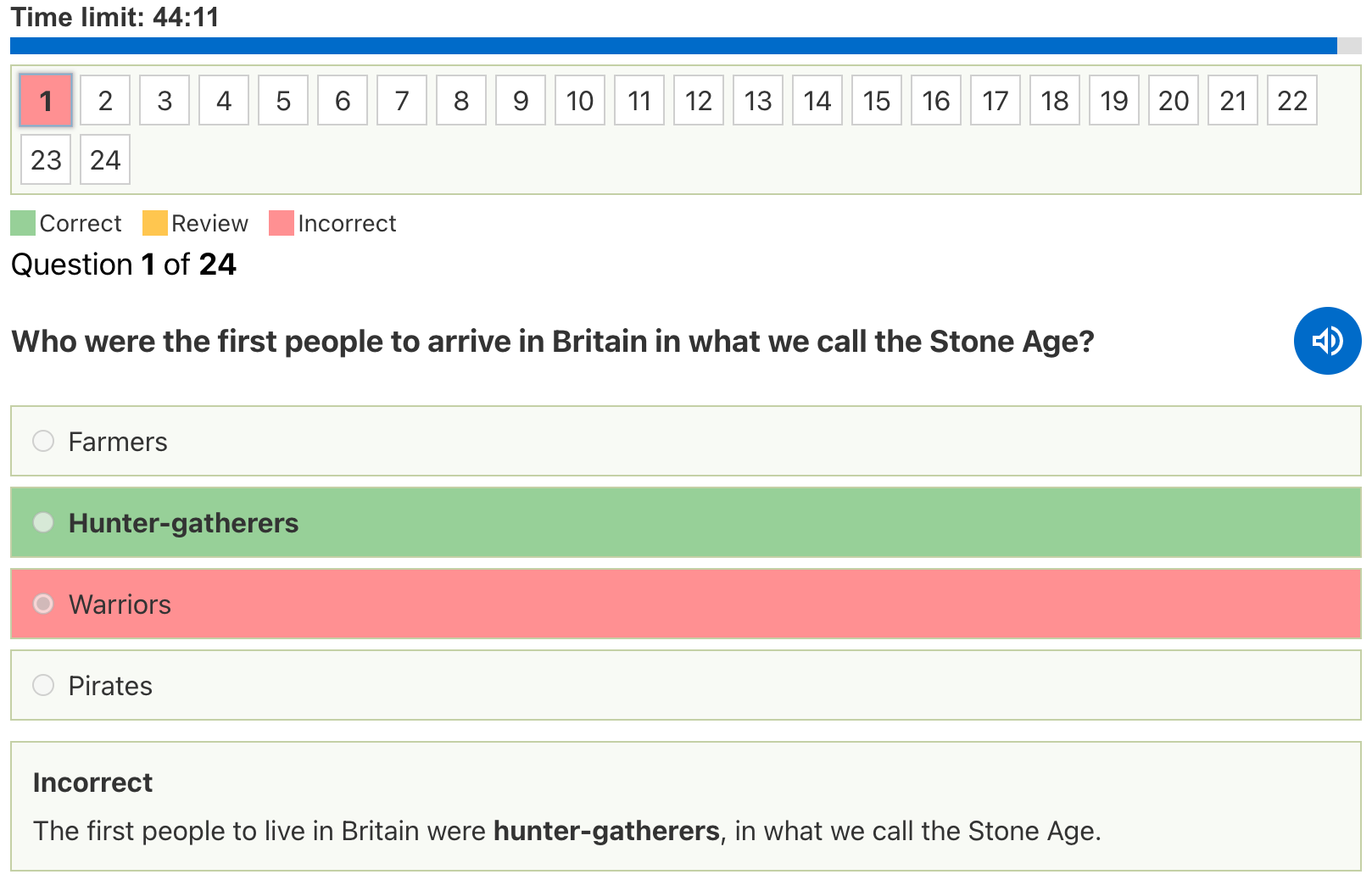
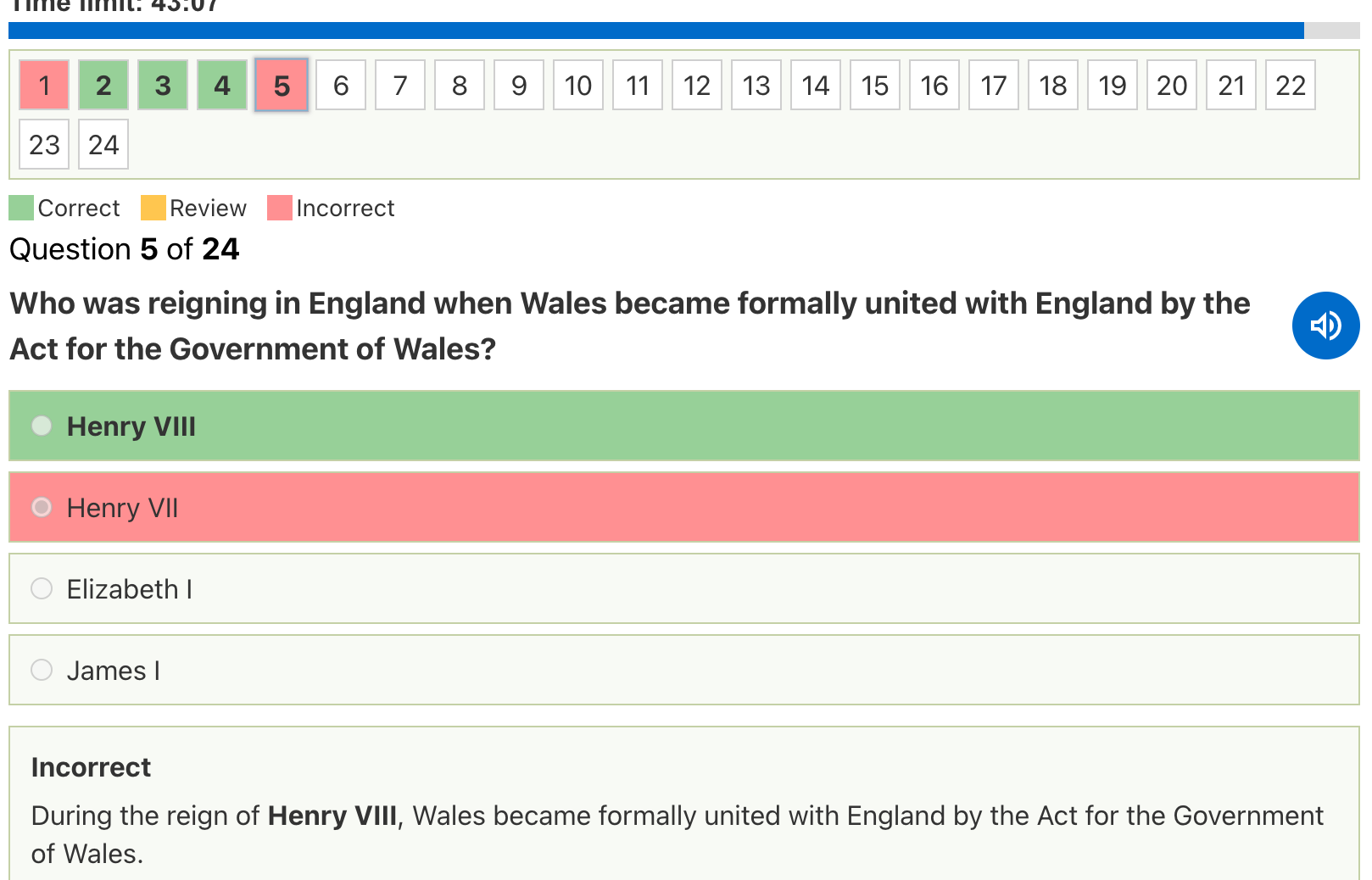
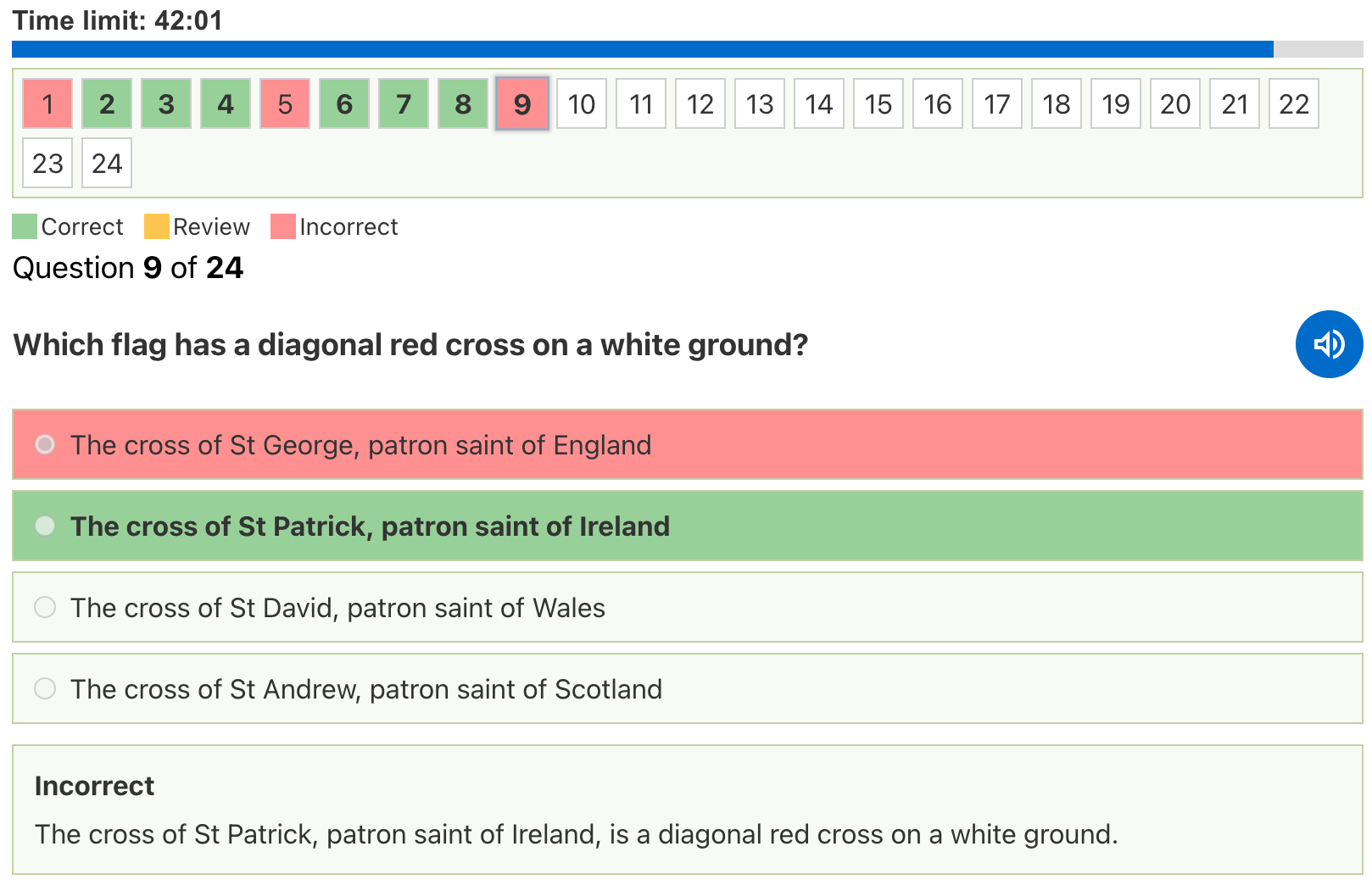
Even British journalist Vita Molyneux reported failing the test multiple times in the Express. Getting caught out by questions such as “What is associated with Carry On?” (film, music, theatre, or art?) The piece points out what many of us already suspect: this test has more in common with a trivia game than any meaningful reflection on life in the UK.
And the kicker? When I officially passed it back in 2022, I wasn’t even told my score. Just a yes or no. That pretty much sums up the process: opaque, stressful, and deeply impersonal.
For the language requirement, I was lucky – my degree was taught in English. But if I hadn’t waited to graduate, I would’ve had to take a language test. That part still frustrates me. I’ve spoken English fluently since I was five. And yet my mum, a primary school teacher who teaches children English, still had to prove her ability to speak it.
Others I spoke to share the same sense of disbelief. Anna Ciecko, 46, who became a citizen in 2021, told me: “The Life in the UK test is a waste of time and money. Most British people wouldn’t pass it. I don’t get why people have to do it.” She added that even the language test – which she passed easily – felt insulting, considering she was teaching in an English classroom.
“The Life in the UK test is a waste of time and money. Most British people wouldn’t pass it.” Anna Ciecko
Every step of the process seems designed to make you feel like you’re on trial. Even the parts that should be joyful, like getting approved, are laced with stress. You wait weeks with no updates, no timeline, just a portal and a prayer.
I am not the only one who has found the process of becoming British complex, expensive, and oddly disconnected from how we actually live here.
Anna came to the UK from Poland in 2009 and became a British citizen in 2021. She told me her decision to apply was driven more by uncertainty than identity. “I thought there might be a time that my life in the UK might not be as safe or secure as it was at that time… I think it was just for the sake of thinking about the future really and any possible problems that being foreign could cause.”
The process itself, she said, was long, expensive, and overwhelming: “The paperwork and the costs were incredible. It’s sick money.” She found parts of it unnecessary, especially the language test: “I was annoyed I had to sit that test, especially I was teaching English children in a school, which didn’t make much sense.” She felt similarly about the Life in the UK test: “I honestly believe that is a waste of time and money… most of the British don’t know the answers to those questions. I think the British people should first sit the test to then choose the questions that are appropriate, and that are actually relevant.”
Anna didn’t collect documents early on, so gathering the evidence of her time in the UK became another source of stress: “Because of specific documents required, it was quite a process to get copies or to get other documents.” And like me, she was frustrated by the requirement to report every trip abroad.
When I asked her whether getting the passport changed how she saw herself, she said: “I didn’t feel British, and the fact that I got the passport didn’t change anything either… I feel Polish and any document probably won’t change it.”
None of the people I spoke to felt that passing the test or getting the passport made them more British. If anything, it made them reflect more critically on what that word really means – and how unevenly it’s defined.
If my experience and the people I spoke to show how complicated becoming British can be on a personal level, the new policies show how aggressively political it’s becoming at a national one.
Labour’s immigration White Paper, released in May 2025, sets out plans to make the system “tougher, fairer, and properly enforced.” Keir Starmer declared: “settlement in this country is a privilege that must be earned, not a right.” It’s the kind of language we might expect from the Conservative Party or Reform UK – but now it’s coming from the centre-left too, as Labour tries to reassert control over the immigration narrative in response to public pressure and a surge in support for Reform.
The reforms include stricter English language requirements across all visa routes – including for adult dependents, who are currently exempt. Visa extensions will require proof of “language progression,” and the level of English required for skilled workers will be raised from “intermediate” to “upper intermediate.” The path to permanent residency will stretch from five years to ten, unless you’re in a “high-contributing” profession like medicine. Graduate visas are being cut down, and the social care visa route – once seen as essential – will be scrapped.
Professor Thom Brooks, a citizenship expert at Durham University, described the Life in the UK test as “like a bad pub quiz and unfit for purpose.” He supports reform – but not in the direction proposed in Labour’s White Paper. “Citizenship is about having full and equal rights of full membership,” he says, “Those without have a secondary status.” For Brooks, the real problem is that the system rewards memorisation over meaningful integration. He argues the test should be rebuilt around shared values and practical knowledge, not trivia or bureaucratic hurdles – a view echoed by migrant groups who say the process creates fear instead of clarity.
“Citizenship is about having full and equal rights of full membership. Those without have a secondary status.” Thom Brooks
But so far, none of Labour’s proposals focus on improving the experience. They’re about raising thresholds, not raising understanding. And the burden, as always, will fall hardest on people who are already disadvantaged – particularly women, older migrants, and those on family routes, who are more likely to struggle with language tests or paperwork.
Some migrant rights organisations have warned that the reforms will deepen fear and uncertainty. Right to Remain, a UK-based immigration charity, held a public meeting where 92% of participants said the White Paper made them or the people they work with feel “scared and anxious.” Attendees described a growing sense of confusion among migrant communities: “There are no clear answers when people have questions about the proposals,” one said. Another asked: “How do we give hope to those looking for an endpoint – a positive horizon?” In its official response, the group called on Keir Starmer to join “a community of radical solidarity, care, compassion and dignity” rather than entrenching policies that treat people with suspicion instead of support.
Then there’s the class layer no one wants to talk about. These rules aren’t designed for second-home owners in Spain or retirees in France – people who often don’t speak the local language and aren’t asked to prove their economic worth. But migrants here are told they must be fluent, skilled, and grateful – and even then, it might not be enough.
The new rules reframe citizenship as a reward for compliance, not a recognition of belonging. But after going through this process, it feels like the real test isn’t about values or language – it’s whether you can navigate a system that’s designed to keep pushing people out.
As I stood in that ceremony room, months ago, next to a framed portrait of the King, I thought I’d reached the end. But becoming British didn’t stop there. If anything, the pressure only shifted – from proving myself on paper to knowing I’d always have to justify belonging in a system built to question it. Because once you’ve gone through the process, you realise how much it was never really about you – but about what the country expects from people like you.
I didn’t become British the moment I held the passport. I didn’t become British when I passed the Life in the UK test or submitted my application. I became British gradually, in ways that had nothing to do with paperwork: learning to queue without being asked, buying multipacks of crisps I didn’t need from Tesco, complaining about the rain while standing in it anyway.
I’ve lived in this country for nearly 20 years. I’ve grown up here, studied here, worked here. My sense of humour, my habits, my values – they’ve been shaped by British life. But I’ve also been Polish my whole life and that shaped me too. I don’t see those two things as opposites. For me, becoming a British citizen was about formalising a life I was already living. It was an emotional moment, yes – but also a protective one. I didn’t apply because I suddenly felt more British. I applied because I didn’t want to feel more vulnerable.
When people find out I didn’t already have a British passport, they’re usually shocked. “How are you still here after Brexit?” they ask, often half-joking. It’s a reminder that most people born here have no idea what it takes to stay here – let alone become a citizen. For many of us, citizenship isn’t a right – it’s a risk, a cost, and a bet on an uncertain future.
The ceremony made me proud; the process exhausted me; the politics made me angry. And all of that can be true at once. Because “belonging” in this country is never just about how long you’ve been here, or how much you’ve contributed. It’s about whether the people in power think you’ve earned it.
When Keir Starmer says that settlement should be a “privilege,” it implies that those of us who weren’t born here are always one step away from not being welcome. That’s the part people don’t see. For British-born citizens, identity is inherited. For the rest of us, it has to be proven, tested, and paid for.
I’m lucky that I could afford it. I’m lucky that my parents supported me. But it shouldn’t come down to luck – not when what’s at stake is whether you’re allowed to belong.
If Labour really wants to reform the citizenship process and make it ‘meaningful’ it should start by asking people what being British actually means to them. Not what year Elizabeth I died, or who built the first curry house, or which saint has a red diagonal cross on a flag. But questions like: Who do you feel responsible for? What does home mean to you? Where do you imagine growing old?
None of those are easy to mark with a pass or fail. But maybe that’s the point. Because when I think back to that morning in Ealing – the blue sky, the oath, the awkward photo – what I remember most is the strange mix of pride and unease. I was finally “in,” but I also understood how many people never get that far. And how much harder it’s about to become.