Have locals finally had enough of dirty campers, empty supermarkets and the extortionate cost of living?
Enlarge
Michelle Otto
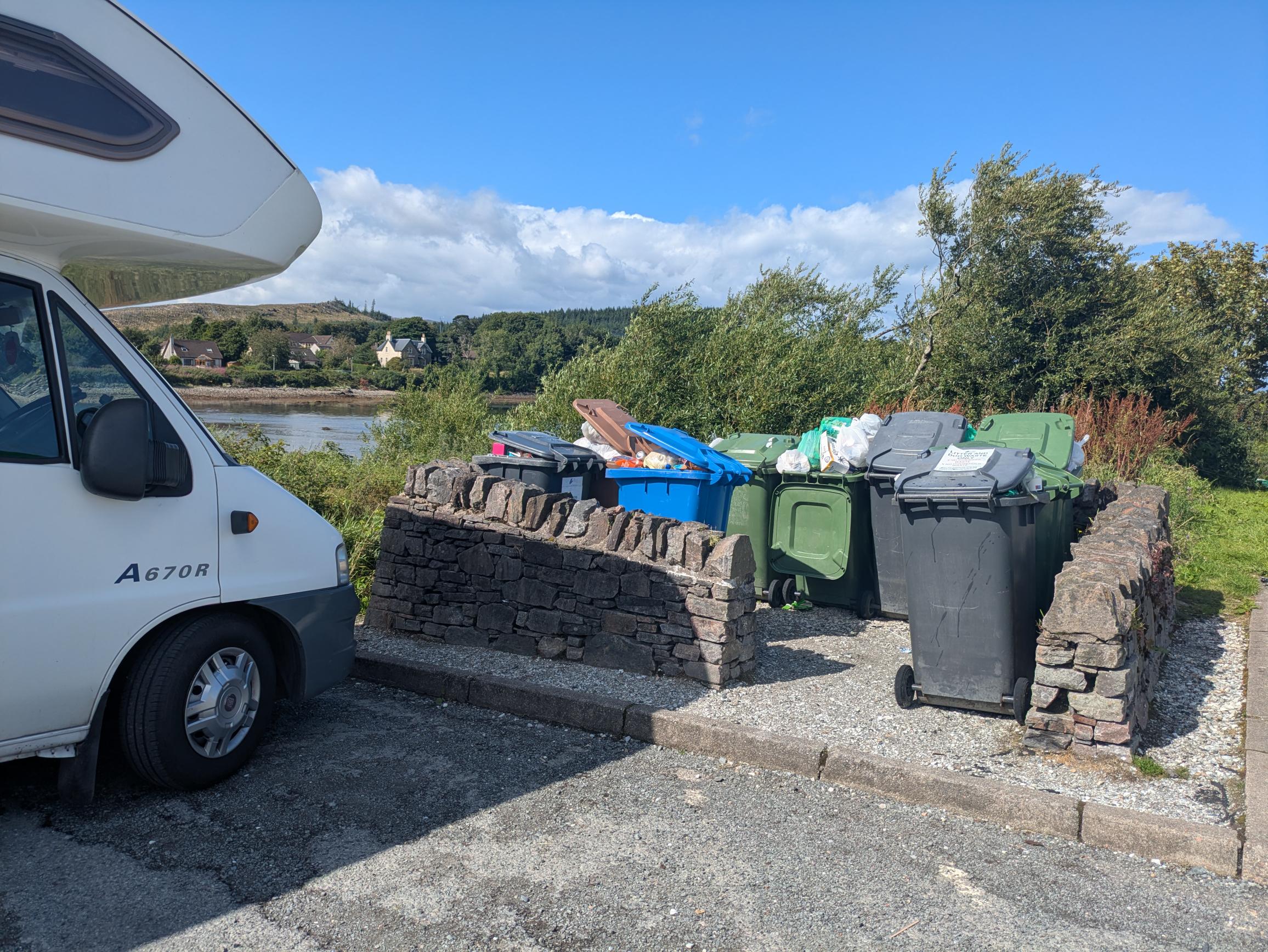
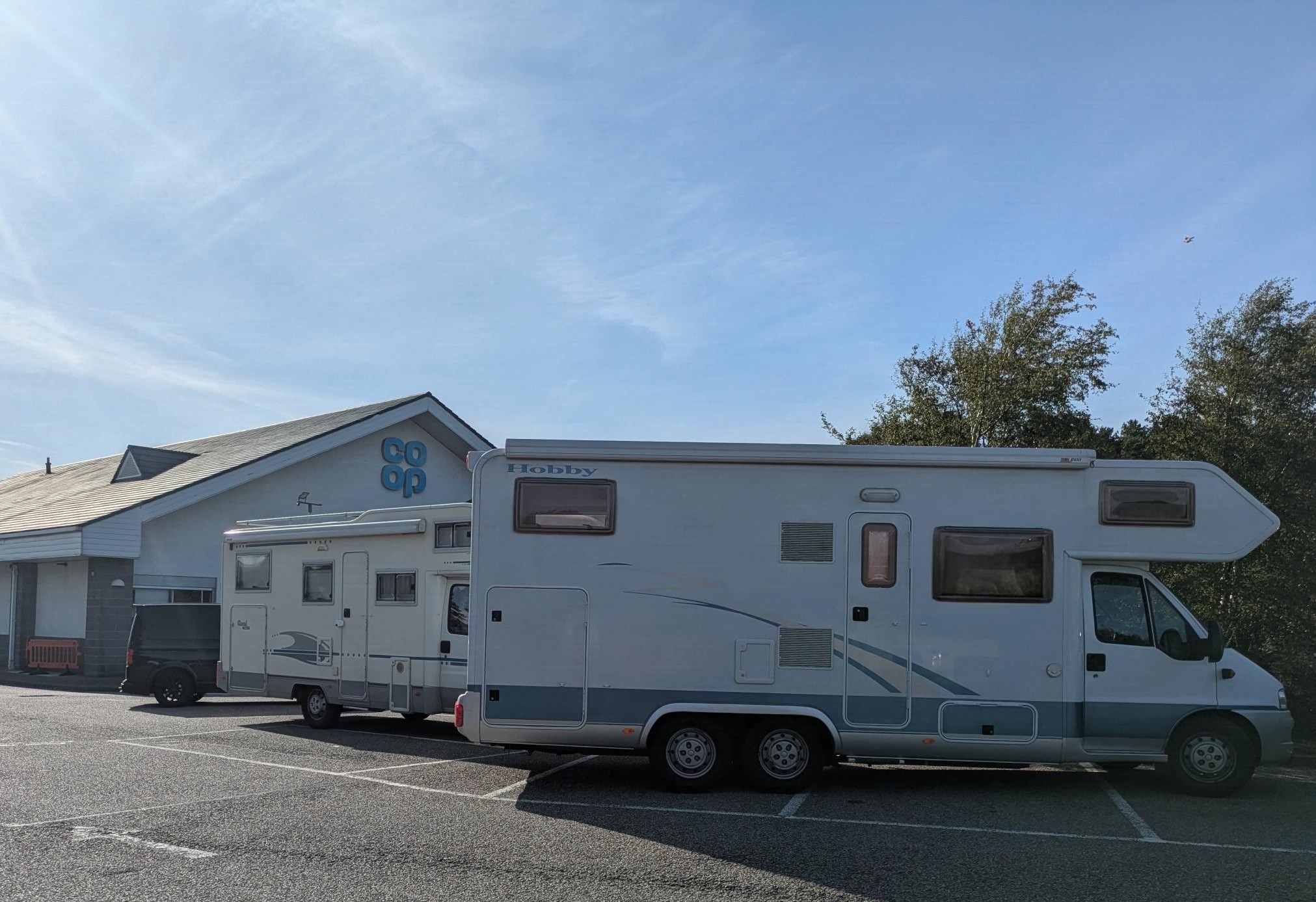
7am outside Broadford Co-op on the Isle of Skye. Campervans and mobile homes parked over several parking spaces, bins over-flowing, a crowd of tourists waiting to be let in for their big daily food shop – among them some locals who woke up early to beat the traffic and ensure they get fresh produce before it sells out by 8am.
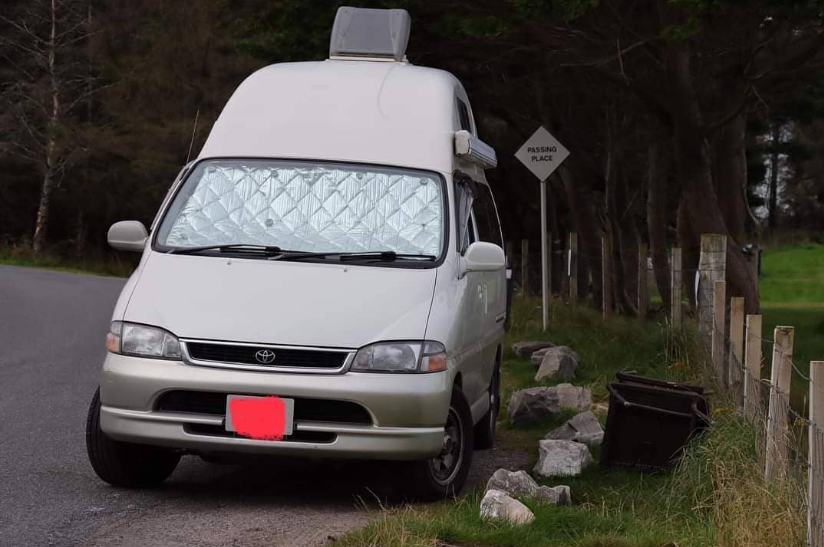
A queue of 30 cars, campers and motorhomes moving at barely 30mph on the 60mph main road to Portree. On a single track road traffic comes to a complete stand-still as a campervan has parked in a designated passing place and the on-coming vehicles have nowhere to go.
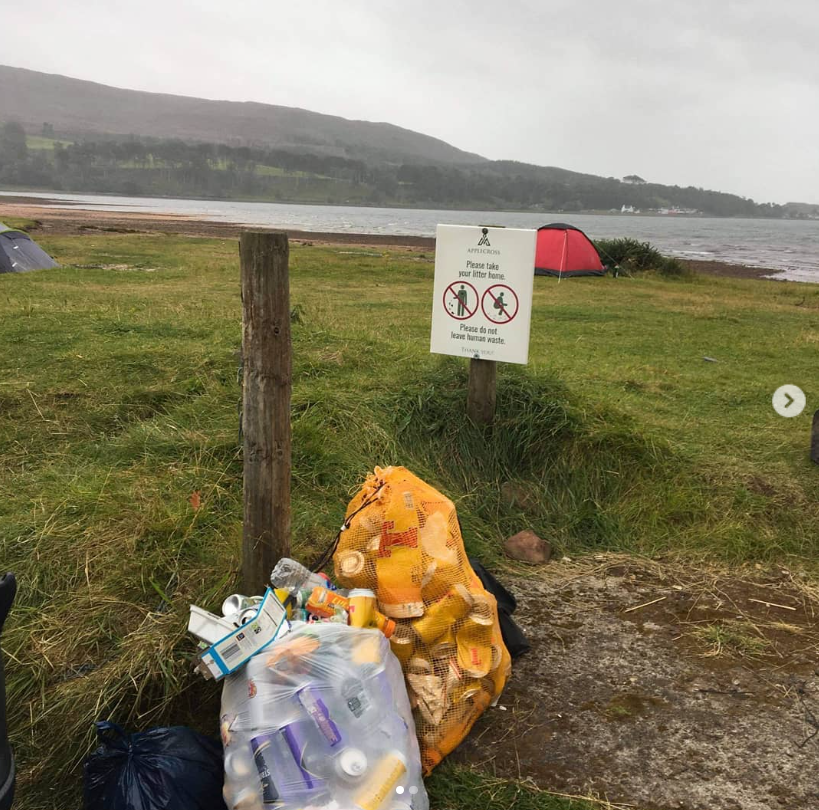
Human faeces on beaches, farmland and in residents’ gardens, fly-tipping and waste dumping… Scenes like these have become daily occurrences on the Isle of Skye as the tourist season returns.
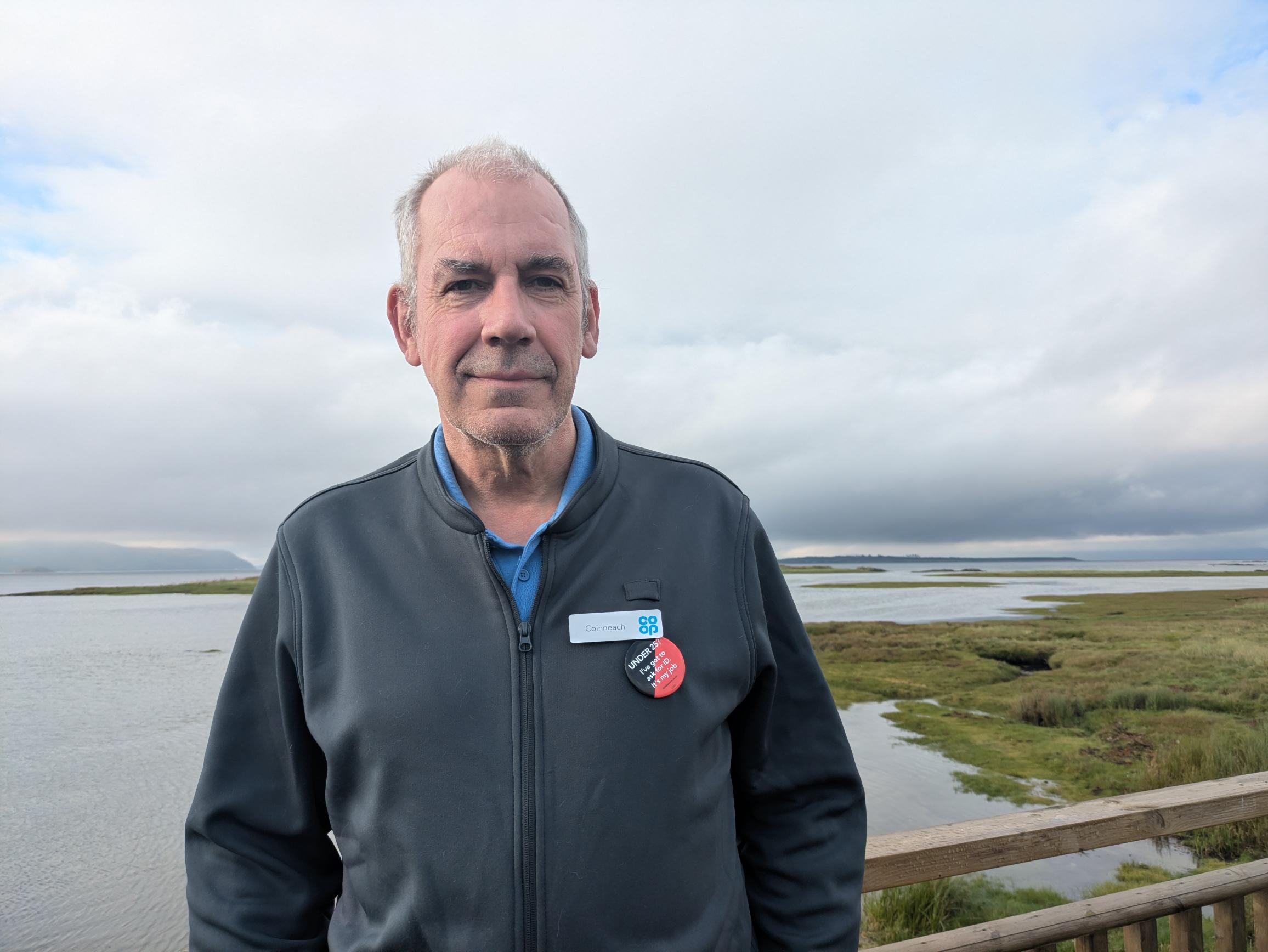
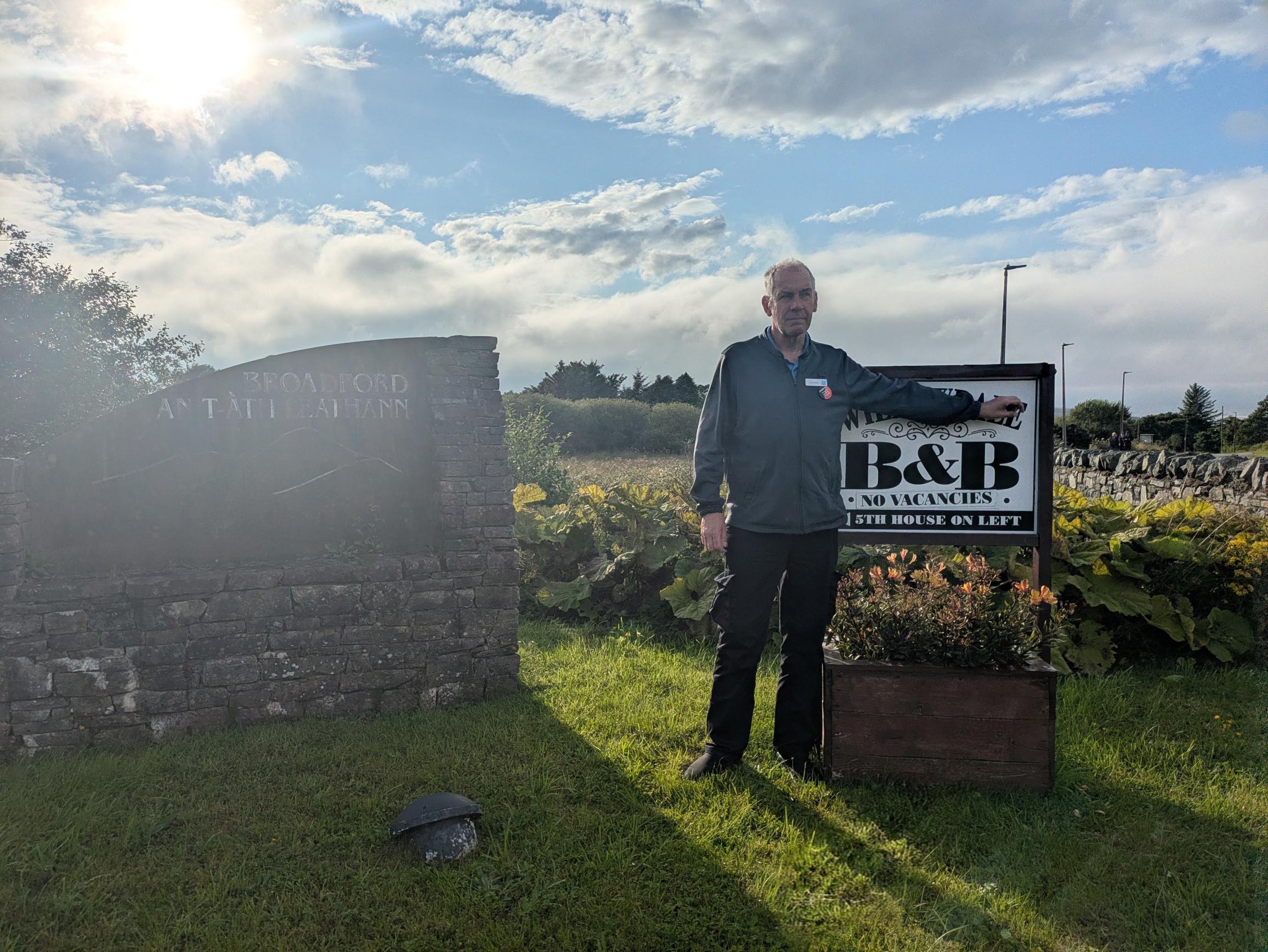
Coinneach Lindsay, 63, works in Broadford Co-op, one of the only supermarkets in the area. He hears about locals’ stories and witnesses the impact tourism has on the island and its community on a daily basis: “You can see the damage that is done by tourism; the dumping of chemical toilets, the potholes, the theft of fuel.”
Enlarge
Michelle Otto
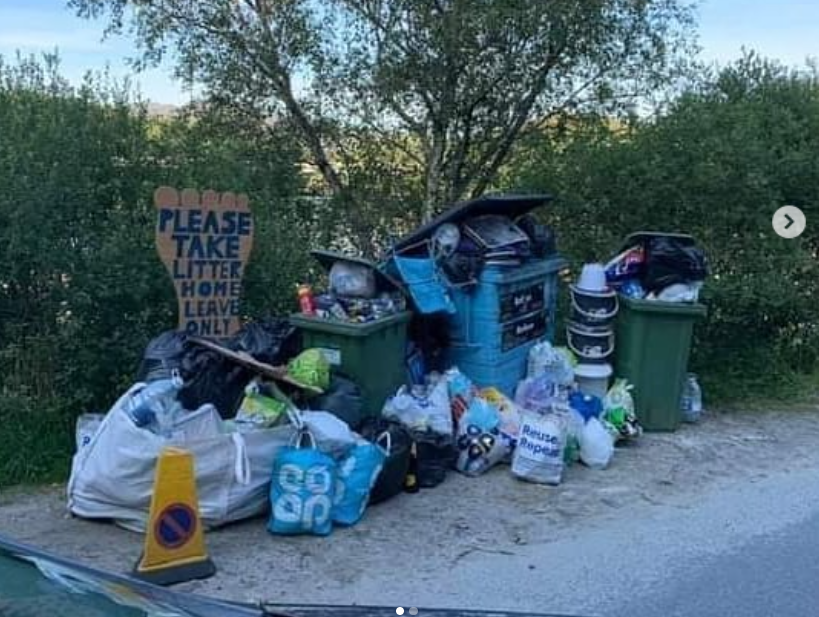
“People come and empty loads of bags of rubbish from their vehicles and stuff them into the Co-op bins, which are for customer use only, and cause them to overflow within minutes,” he says. “Bins were taken away so that visitors would keep their rubbish instead of depositing it here, but then they just dump it in shopping trolleys and all over the car park.”
He recalls one person parking their caravan outside the supermarket and “having a piss in the middle of the car park”. “They probably had a toilet inside the caravan, there are toilets in the Co-op itself, and there are also public toilets about a hundred yards away. But they thought it was reasonable to just do that in a public place.”
Michelle Otto
Other locals have experienced similar behaviour from visitors. Julia Dawber has witnessed as many as nine campervans parked by the shore outside her house, she told the BBC – some going to the toilet in the open when she is having dinner. Crofter Calum Beaton told the BBC he has found chemical toilet waste dumped in his household bin and human faeces left on the land he farms. He blames campers who park by the side of the road overnight.
Most of the visitors Lindsay encounters are very nice, but he worries that many “don’t have any respect for anyone around them”. “I think there’s a sort of arrogance about it. They just feel they can go into people’s communities and behave like this.”
He doesn’t understand what pleasure people get out of a holiday in Skye anymore. “These people are destroying the very thing they seem to want, they don’t seem to take in anything that’s there,” he says. “Ten years ago, you could go to the Fairy Pools and there wouldn’t be many people there. It was lovely, you could enjoy it. Now it’s completely mobbed with people; you can’t even park.”
We just don’t have the infrastructure to cater for or cope with the huge volume of people coming to Skye. Skye SNP Councillor Drew Millar
Despite the downsides of what has turned into over-tourism, Lindsay is aware that the island and its economy need the visitors. “They bring in money, which means that people are getting employed who maybe otherwise would have difficulty getting a job because there wasn’t enough business.”
Sarah MacKinnon runs Mrs Mack’s Wee Takeaway in Torrin in south-west Skye and has experienced the visitor’s impact fairly positively. She told the BBC that most visitors acted responsibly, though noted that customer numbers seemed to have fallen: “I must say this place is clean and tidy…[but] it’s definitely a little bit quieter this year.”
The Highlands have been tourist-oriented for decades, but the lack of suitable infrastructure and the irresponsible behaviour of visitors turn the tourist season into a hell for both locals and visitors. It is an on-going problem that stretches far beyond the summer months now and locals are desperate for Highland authorities to bring about much needed change.
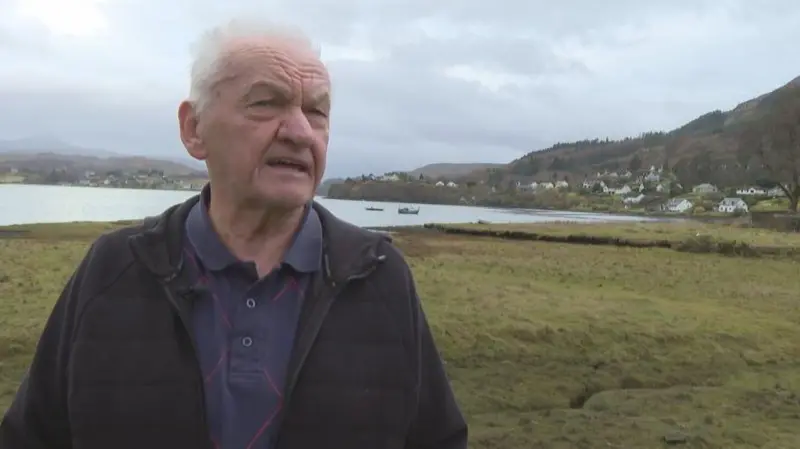
“We have relied on tourism since probably the very early 1900s, but we do now suffer from over-tourism,” says Skye SNP Councillor Drew Millar. “We just don’t have the infrastructure to cater for or cope with the huge volume of people coming to Skye.”
Enlarge
BBC
The council has invested a lot of money from European and government funding to help improve some of the single track roads, making passing places larger and widening the roads as much as possible, he says.
“We have done significant roadworks in the most visited parts of Skye and we’re putting in a new car park this winter for our most iconic viewpoint, the Old Man of Storr. They’ve invested money in the path network up to the mountain as well.” A lot of the Highland roads are single track and the sheer volume of traffic makes improving the infrastructure a very expensive task.
Christine Gillies has been an independent councillor for Skye and Raasay for just over a year and agrees that it is the amount of tourists that is causing the issues. Tourism in Skye started centuries ago, but it’s “that scale and the balance with other industries, other people and other things going on where the big challenges are happening”, she says. “The voice of those being affected isn’t necessarily being taken into consideration.”
Enlarge
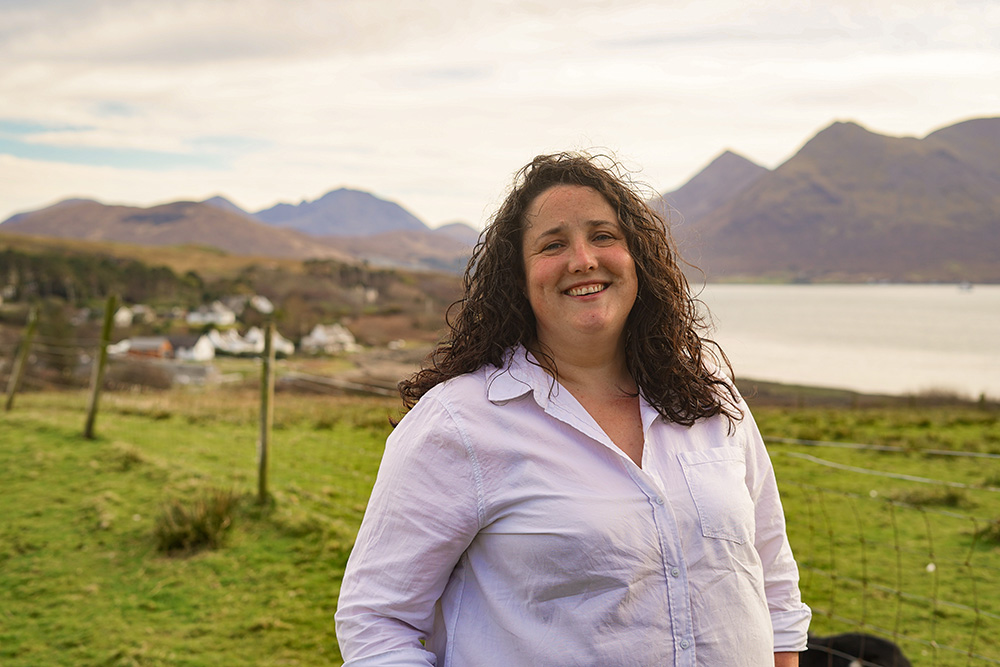
Christine Gillies
Looking back at the Napier Commission from the 1800s, she sees important similarities between crofting legislation and the rights for people living and working in Skye at that time and what is happening today. “One of the ministers at the time was reflecting on the fact that the people benefitting from the system shouldn’t be the ones that are deciding on the impact and whether it’s really an issue.”
The problem of second homes
Lindsay is passionate about educating incomers about the sides of life on the island they might not get to see on a holiday visit. “People come in and say ‘you’re so fortunate to live here!’, but what they don’t see is how bad the situation is for many of us,” he says. “Everything seems to be geared towards tourism”, which he thinks is very dangerous. “If you’re so dependent on one industry, what happens when that industry stops?”
He thinks Skye and the Highlands are facing a serious situation as “wealth pushes out a population”. “The wealth is not bringing anything with it,” he says. Many people come to the island for a week or a fortnight and stay in their second homes which lie empty for the rest of the year or are let out to other short-term visitors.
Enlarge
Michelle Otto
“It pushes prices up because it’s an attractive area and people want to come and live in such a beautiful spot. But of course they don’t want to live here in the middle of winter, so they only come up for Easter or maybe Christmas, but that’s it,” says Lindsay. “They’re making no contribution to the community but they’re taking away from the housing stock.”
Cllr Gillies agrees that tourism’s impact on housing is one of the biggest, causing huge challenges for Skye and Raasay. “About 50 per cent of the houses in Raasay are left empty year round. The majority of them are either second homes or empty,” she says. “I think there are ten of about 180 properties on the island that are actual lets. The numbers for Skye are even worse.”
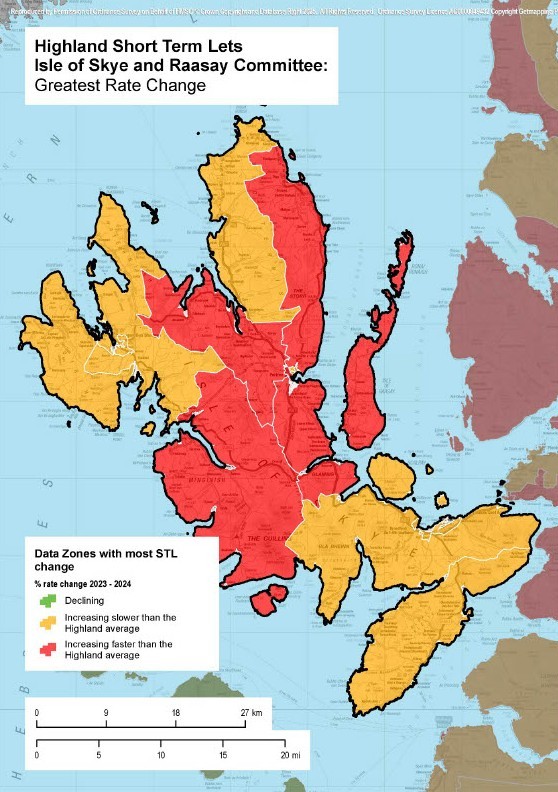
Out of 5,255 occupied households in Skye and Raasay, nearly a third (1,558) are short-term let properties. The overwhelming amount of second and holiday homes is impacting businesses being able to employ people, says Cllr Gillies. This includes core areas such as the NHS, Highland Council, Calmac and other companies essential for the communities.
“It’s that baseline, that key resource the communities are losing access to. If a property is owned by someone outside the community, even though you can’t walk away with it, it’s emotionally taken out of the community,” she says.
55 per cent [of properties in Highland] were purchased by buyers outwith Highland, Scotland, or indeed the UK. Highland Council
When Lindsay first started working in the Co-op, one of his colleagues was living in a tent because he couldn’t find a place to stay. “Two other colleagues, a couple, had to share a single room in a guest house, paying £1,000 a month – in the winter. For Skye, that’s an extortionate amount of rent.”
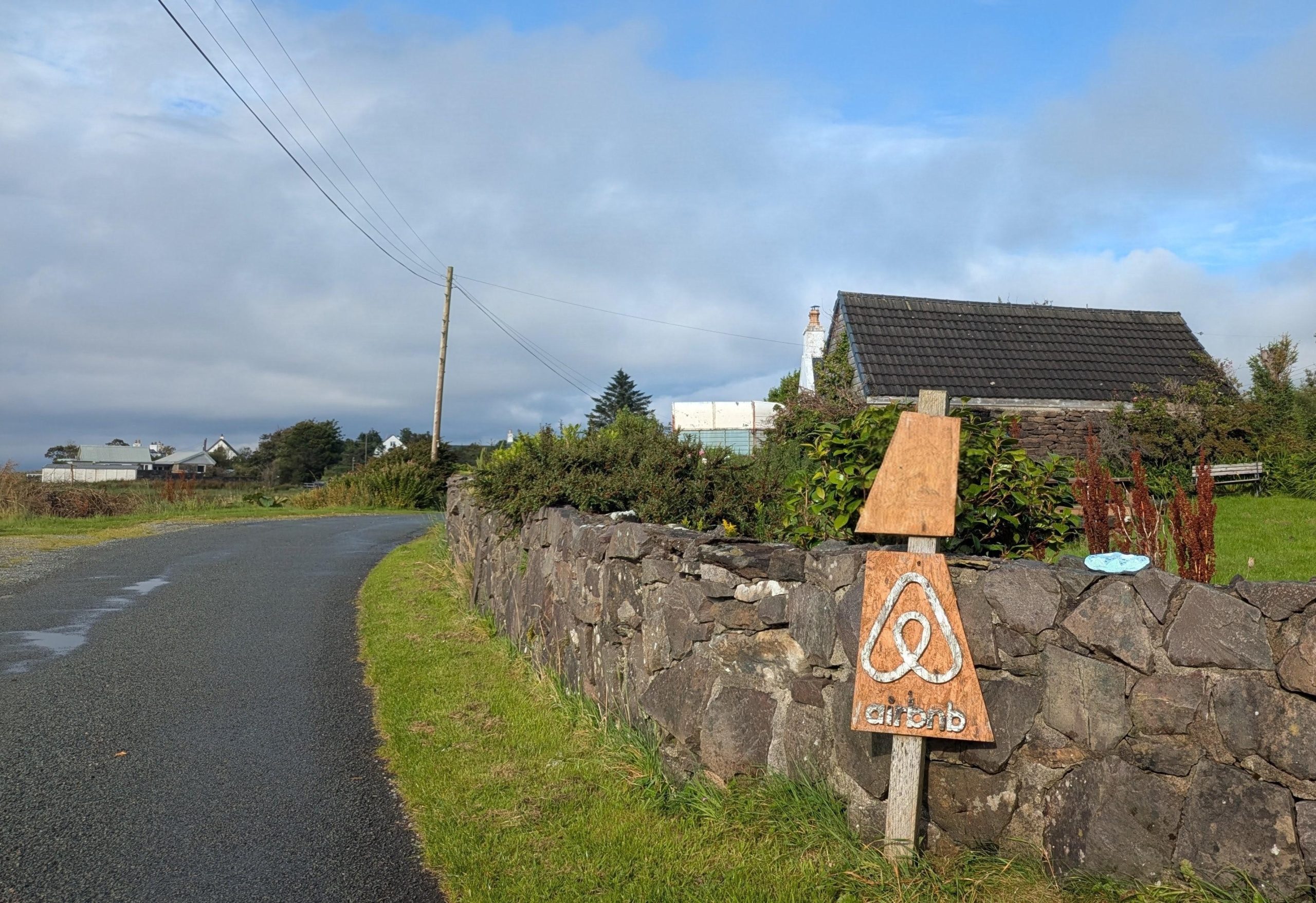
Lindsay himself pays about half as much in a two-bedroom Housing Association flat, though he had to wait on the housing list for over three years before being allocated one. “People who decide to have second homes here are tourists by definition. Sometimes it’ll be a short-term let, Airbnb, or self-catering place for other tourists. But that takes up a lot of accommodation.”
He knows about many houses in the area that are empty throughout most of the year, while locals who want to work here can’t find accommodation and are being pushed out of the communities.
“For a very long time, if you had a second home, you paid less council tax,” says Cllr Gillies. “Despite the fact that it was basically taking properties out of the housing stock for the community.”
Council tax on second homes has now risen to up to 300 per cent in the Highland area. Cllr Millar is hoping to see positive effects, though “there are a lot of unhappy second home owners who are complaining…The idea is to try and free up homes so that local people can afford to buy them.”
He thinks it’s important to differentiate between people outwith the community and those who have inherited properties and left the island to find work, but intend to retain their family roots and return as frequently as possible. “They feel as if they’ve been penalised with the huge increase in council tax for second homes and I think we need to help them as well. But there are far too many holiday homes and that needs to be controlled somehow.”
We need tourism, but we really need support to be able to manage it and make things acceptable for the majority of people. Skye and Raasay Councillor Christine Gillies
A Highland Council report from February this year states that five Housing Market Areas of Highland “have relatively low levels of containment revealing high levels of demand for housing from those outwith the local area, including Skye and Raasay”.
The HMA of Skye and Raasay is within the Skye and Lochalsh HMA, which has a low level of containment at 45 per cent. “In the Skye and Lochalsh HMA, 41 per cent of homes were purchased by buyers already living in Skye and Lochalsh. A further four per cent of sales were purchased by buyers from elsewhere in the Highland Council, while 55 per cent were purchased by buyers outwith Highland, Scotland, or indeed the UK.”
One proposal that will be discussed in the next few weeks is the creation of a Short Term Let control area in Skye and Raasay. “Another area in the Highland region has decided to go ahead with it and that’s certainly something,” says Cllr Millar.
In a report from December 2025, the council stated that in Skye and Raasay “newbuild housing completions are being transferred to short-term letting at a higher rate (15.5 per cent) than Highland as a whole (five per cent)”. They also referred to an Area Place Plan for Skye and Raasay highlighting the demand for “short-term let accommodation linked to the tourism sector”.
Enlarge
Highland Council
The lack of housing availability and affordability caused by short-term lets also has devastating “disproportionate impacts on specific Gaelic-speaking communities” in the Highland region. Lindsay himself is a fluent Gaelic speaker and is concerned about the declining number of locals who speak the language. “That’s a whole other topic but Gaelic speakers dispersing from Skye due to the lack of accommodation is a worry.”
A motorpsycho nightmare
With the cost of accommodation on the island sky-high as visitors are charged up to £1,000 per night for a room, an increasing number of people hire motorhomes in the cities to lessen the expense of their stay. Over 30,000 trips by motorhomes and campervans are made to the Highlands every year which puts further pressure on the infrastructure.
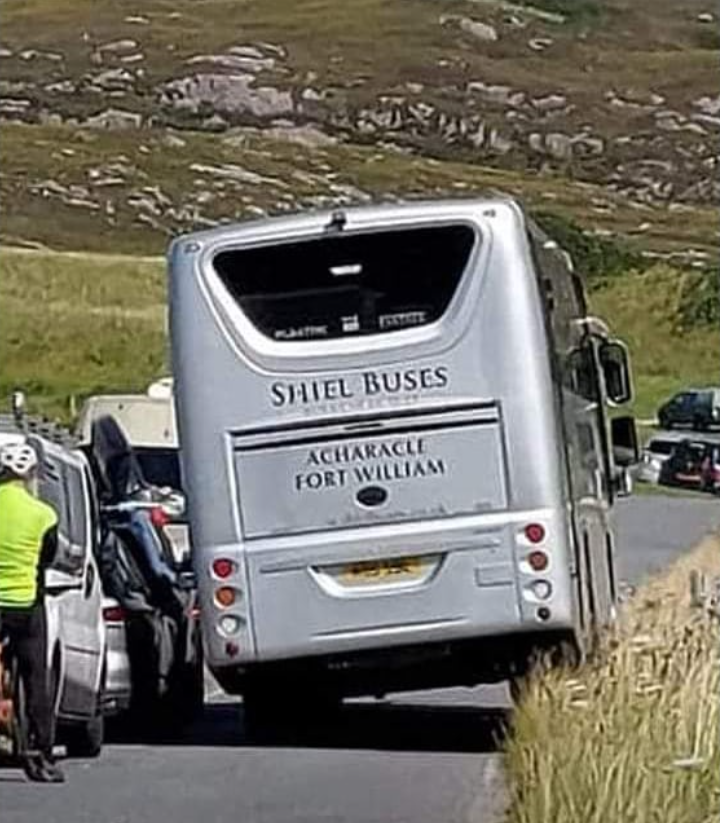
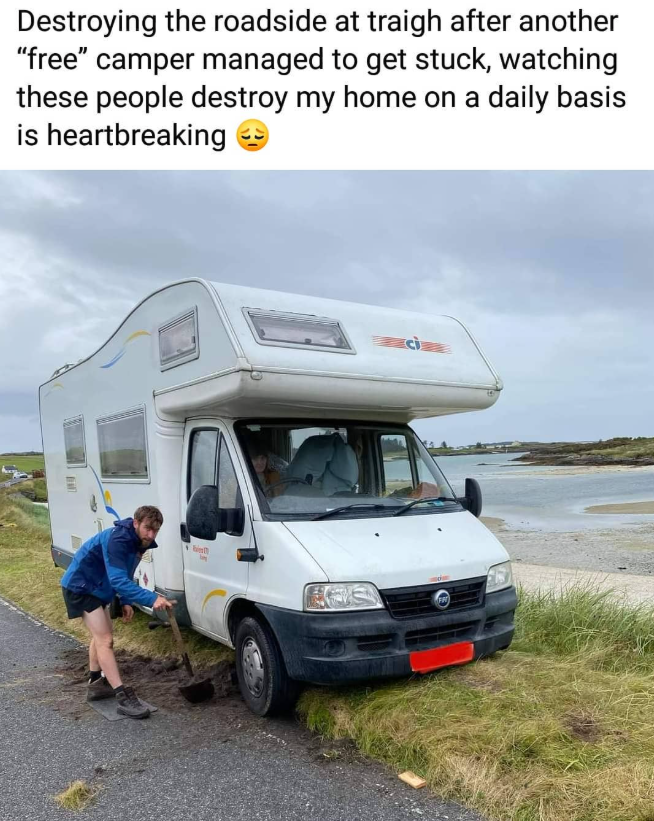
“They’re hiring these big vehicles and they’ve never driven on country roads before. It’s basically carnage,” says Cllr Millar. “You get a horrendous amount of vehicles, especially on single track roads. People don’t know how to use laybys, the vehicles are too big, they can’t reverse.”
Enlarge
North Coast 500 The Dirty Truth (Instagram)
“It’s almost like a comedy show watching some of these people try to negotiate the roads. It’s funny but it’s not funny…We cannot possibly turn all single track roads into double width because that’s financially and geographically impossible,” he says.
Cllr Gillies agrees that navigating some of the difficult roads is “one of those things people aren’t very good at, especially when they’re trying to tick off a bucket list in the summer, and it leads to absolute chaos”.
Enlarge
Michelle Otto
Cllr Millar thinks a visitor levy including all vehicles coming to Skye would be helpful in regaining some control. “The Scottish Government haven’t included motorhomes in the legislation and we are being overwhelmed by a tsunami of motorhomes and campervans.”
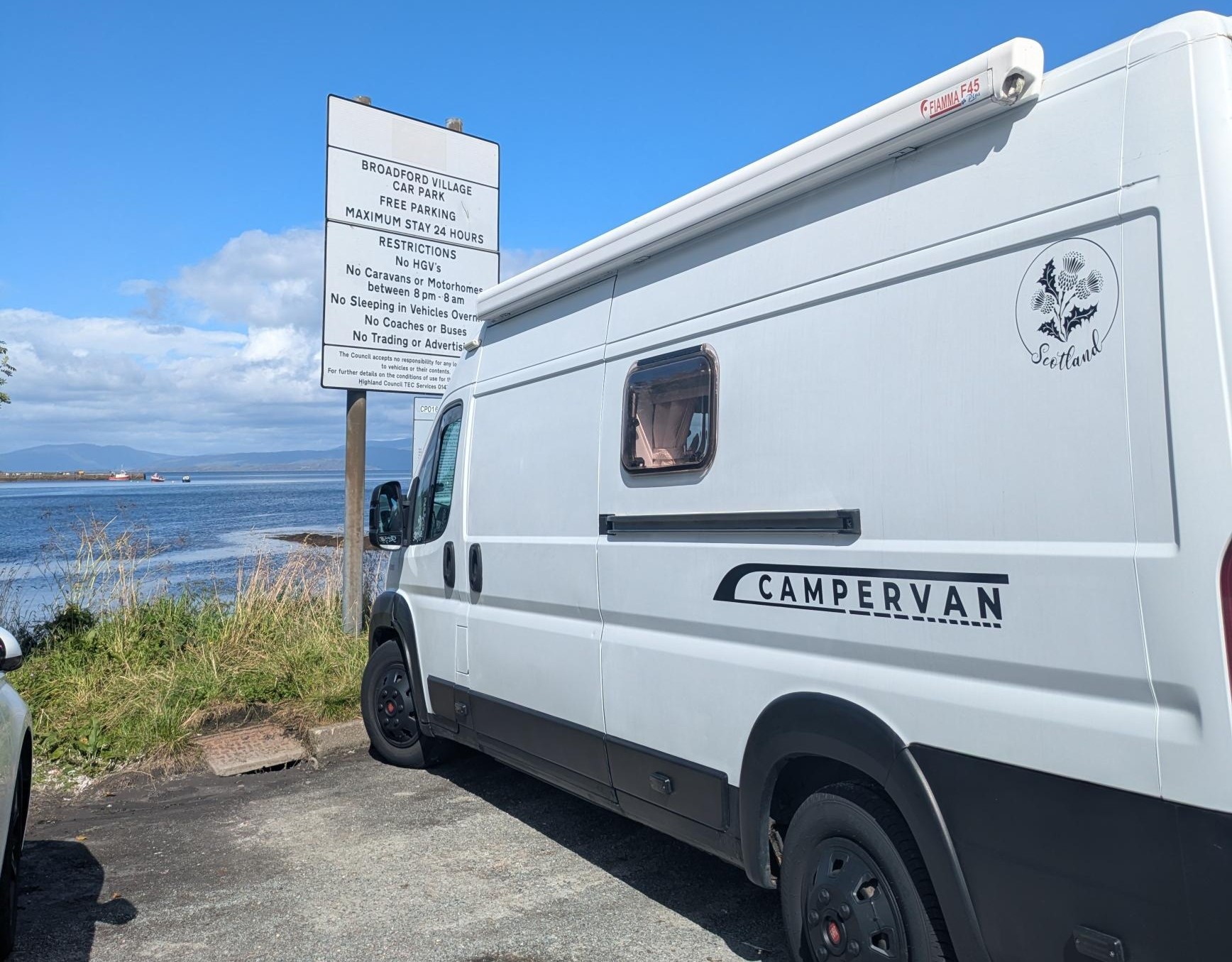
Many campervan drivers ignore signage and use laybys as car parks or stay overnight illegally. Often waste water is being dumped in car parks and on verges, though the council is providing more and more facilities for waste water and rubbish disposal. “It’s very much a catch-up situation and we’re way behind the curve but money is scarce so it’s a huge problem,” says Cllr Millar.
“We’re not wanting to stop people coming, but it’s managing those that are coming,” says Cllr Gillies.
Enlarge
Michelle Otto
One of the measures in discussion is vehicle recognition software to manage the amount of vehicles coming in at any one time. For Raasay it would be fairly straight forward as the island only has one ferry terminal. Skye, however, has two main ferry terminals in Uig and Armadale, the world’s last turntable ferry at Kylerhea and the Skye bridge, which has been toll-free for over two decades.
The software needed would cost a lot of money and Cllr Gillies is worried about ensuring fairness in charging and restricting people. “We need to think about who we are unintentionally restricting and the imbalance there will be to have those restrictions work.”
Another issue is working with formalities and technicalities in applications: “When you look at the impact of logging lorries or HGV when they’re moving things, a thousand cars are the equivalent of one HGV,” says Cllr Gillies. “When you consider the number of cars in a week that are coming to Skye or doing the North Coast 500, there should be a traffic management agreement in place. But there’s not because they are technically individuals.”
The Dirty Truth of the North Coast 500
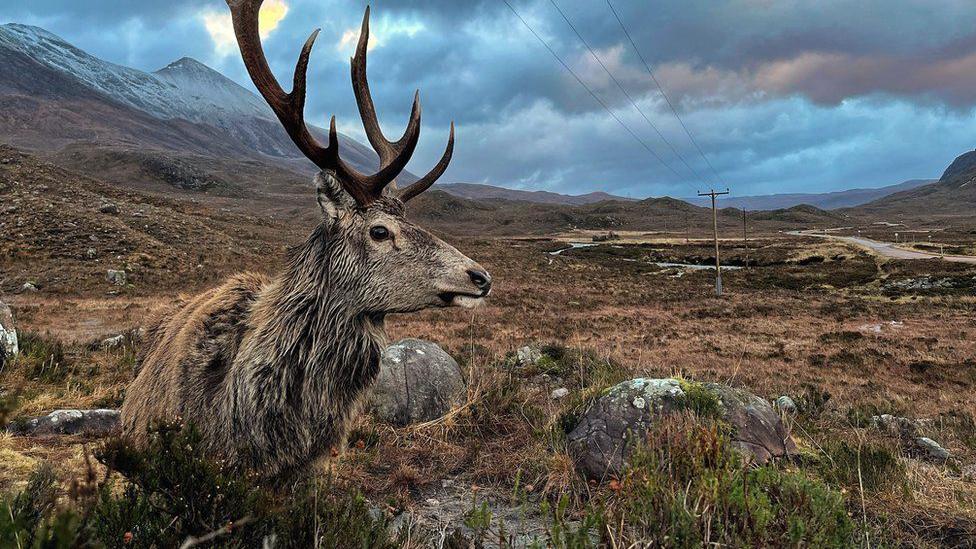
Tourism’s detrimental impact on the environment and wildlife can also be witnessed on the North Coast 500 route: extreme cases of littering, fly-tipping and sad stories such as that of Callum the stag, a local of Torridon’s Beinn Eighe car park, who had to be put down due to being fed harmful foods by tourists.
Enlarge
BBC
Tens of thousands of tourists visit the now-iconic 500-mile road trip meandering along the northern Highland coast every year. In 2024 the John o’ Groat Journal reported the famous route being named as one of the 15 global tourist hotspots to avoid. Among places like Bali and Mount Everest, the NC500 made it on Fodor’s Travel’s annual list for destinations suffering from over-tourism:
“Roads are congested with traffic, increasing the frequency of accidents and causing significant delays for locals. Ed and June Hall, who have lived in Wester Ross for the past 20 years, say the drive to their nearest hospital, 80 miles away, doubled to three hours as tourism has surged.”
Enlarge
North Coast 500 The Dirty Truth (Instagram)
Stretching from its northernmost point at John o’ Groats south to Inverness and across the Highlands to the west coast, the NC500 follows one of the only two roads from Skye to Inverness. Traffic incident-related road closures frequently leave locals stranded when travelling back across to Skye.
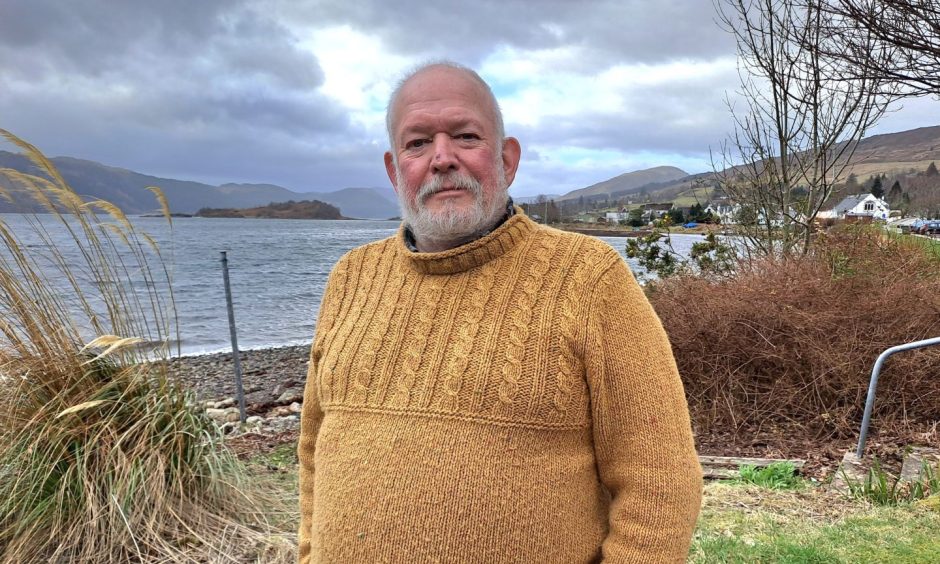
Robin Pettigrew lives in the small village of Lochcarron, where the NC500 comes closest to Skye, and is part of the campaign group NC500 The Dirty Truth. “We are getting overrun in the Highlands by very unpleasant camping, with people dumping chemical waste, setting fires, going to the toilet outdoors, disrespecting the environment and chopping down trees, and parking in small communities and blocking them off,” he told the Scotsman.
He has witnessed visitors parking on the machair – heavily protected coastal habitat native to Scotland – and “chopping down ancient hawthorn trees”. Rangers at Ceannabeinne Beach have reported up to 6,000 campers a month despite the lack of public toilets, which means “the back of the beach is now a sewer”.
“When residents went to speak to these people, they got violence and abuse,” Pettigrew told the Scotsman. He has now launched a Holyrood petition to strengthen the Scottish Outdoor Access Code and explicitly ban camping in a vehicle outside designated sites, hoping to make the code legally enforceable through dedicated enforcement teams and fines.
Enlarge
Alberto Lejarraga/DC Thomson
Nature Scot’s Scottish Outdoor Access Code urges people to access the countryside responsibly and to “leave no trace”. The nature body’s three principles are to respect the interests of others, care for the environment and to take responsibility for one’s own actions. It told the BBC that “the code did not give people the right to park a car or stay overnight in a campervan or motorhome by the side of a road”.
Enlarge
North Coast 500 The Dirty Truth (Instagram)
Building campsites and additional waste facilities and toilets won’t solve the problem, Pettigrew thinks. “Some people will use them but there will still be a substantial number of people who won’t and will still dump their waste,” he told the Scotsman.
“The Corrieshalloch Falls’ new visitor centre has a waste disposal facility with an advisory price of £7, yet people are still going to the car park and dumping it on the verge. It happens all the time because people don’t want to pay.”
Executive chair at NC500 Ltd, Claire Winskill, told the Scotsman their aim “is to help ensure tourism continues to thrive while protecting the communities and landscapes that make the region so special.”
“We know that responsible camping, waste disposal and pressure on local infrastructure are major issues for communities. These challenges extend well beyond the NC500, and we support efforts to keep national guidance effective,” she told the Scotsman.
Enlarge
North Coast 500 The Dirty Truth (Instagram)
Robin Pettigrew’s petition now has over 1,200 signatures and is met with support from Highland politicians. MSP David Green, who won the Caithness, Sutherland and Ross seat in May, told the Press and Journal he agrees with the need for “stronger enforcement powers” and to punish unacceptable behaviour.
“There are several layers to this issue. When it comes to these abhorrent cases of fly-tipping, we know that only a tiny fraction of offenders ever face a fine or prosecution,” he said. “It is simply not acceptable that farmers and business owners are left footing the bill for clearing up other people’s waste.”
Andrew Baxter, MSP for Skye, Lochaber and Badenoch, thinks education is not enough anymore when it comes to encouraging people to behave responsibly. “Regrettably we are at a stage when we need robust enforcement, with fines, as a deterrent. But that requires investment in a ranger service, with real powers to enforce,” the former Fort William councillor told the Press and Journal.
Enlarge
The Herald
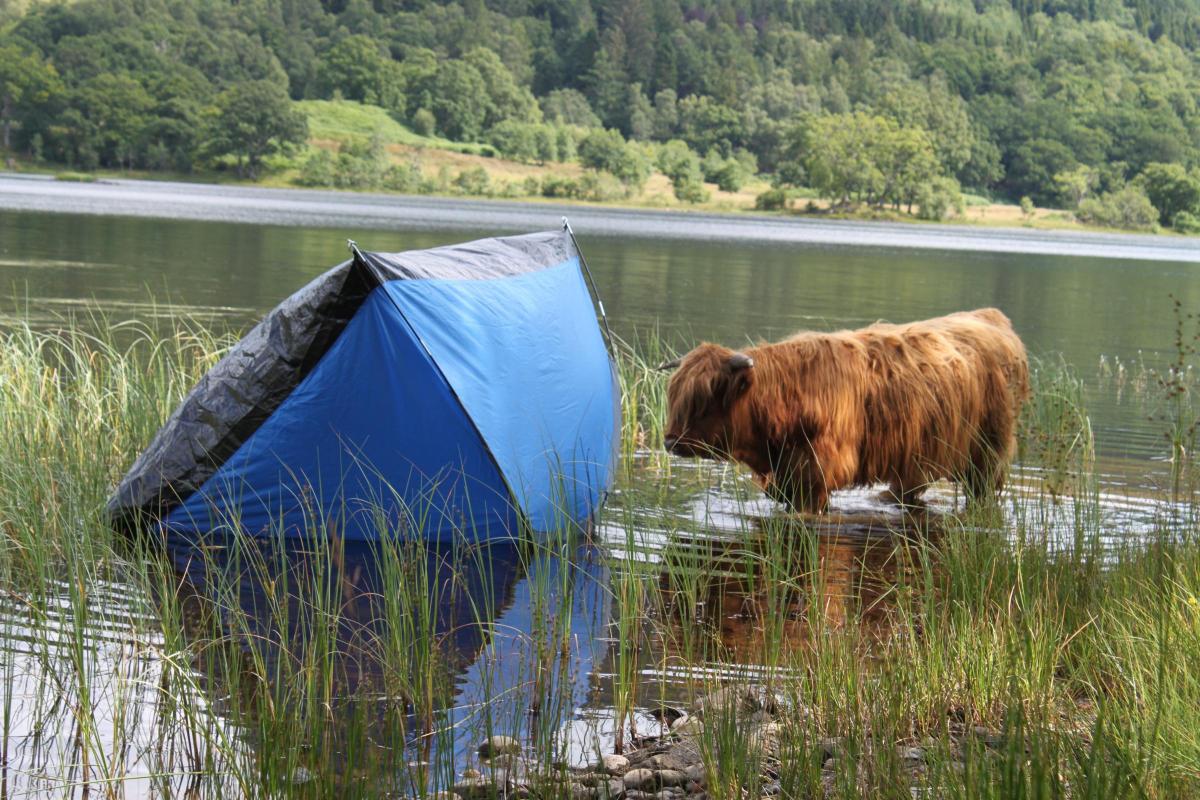
“The Scottish Outdoor Access Code is a voluntary code principally designed to embody the spirit of outdoor access legislation that allows us to enjoy our right to roam in the countryside. It was never intended for the type of visits that have proliferated across the Highlands in recent years,” he said. “We need to look at whether the code needs to be enshrined in law and therefore enforceable. It can’t be left to council access rangers to do that.”
Regional Highlands and Islands MSP Maree Todd told the Press and Journal that infrastructure investment by the Scottish Government has seen the situation improve since the pandemic. “Through the Scottish Government’s Rural Tourism Infrastructure Fund, £24.5 million has been awarded to 86 projects across rural Scotland, supporting improvements to car parks, public toilets and motorhome facilities, including along the NC500.”
Baxter, who has experienced verbal abuse from tourists himself when challenging irresponsible behaviour, told the Press and Journal there are still not enough motorhome facilities across the Highlands. He agrees with Pettigrew’s point that, when facilities exist, “many refuse to use them”.
“In Kinlochleven the community trust spent money on creating a motorhome area in the centre of the village for a modest charge for the night. But too often it remains empty whilst every layby around Loch Leven is jam packed with campervans.”
Enlarge
North Coast 500 The Dirty Truth (Instagram)
Who will do the dirty work?
Fines, bans, tolls and restrictions are all possible means to tackle the ever-growing issues of over-tourism, but the next question is: how to enforce these?
Cllr Gillies thinks it’s important to consider accountability and enforcement. “You can put in as many restrictions as you want,” she says. “But if you don’t have the staff to hold people accountable and manage the restrictions, there’s no point in putting them through.”
The area has seen a very positive outcome with employing an increased number of rangers. The issue here is funding the posts and making sure there is enough work throughout the year to keep employees on.
“There’s a huge amount of work during the summer,” says Cllr Gillies. “But there’s also repairs, management and signage. Things like these can be done over the winter, so maybe there is a way we can create full-time employment to help support tourists.”
Tourist support with rangers has proven successful last year in having conversations with visitors and educating them about the legalities of wild camping and campsite etiquette.
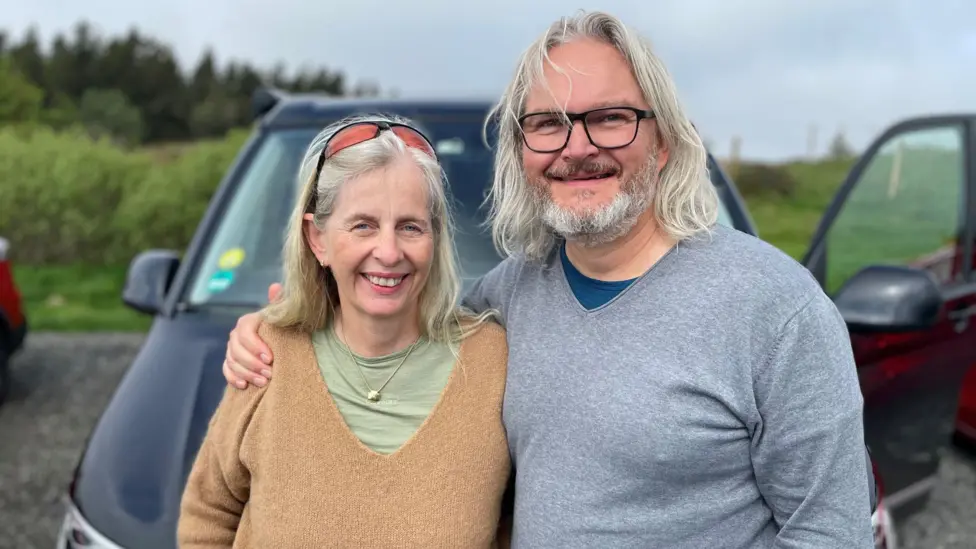
Campervaners Beate and Heiner Delbach told the BBC that, for them, respecting the local environment is just common sense. “It’s very important for us because we want to respect nature and it’s also the respect for other people. I think for us it’s normal,” said Beate.
Enlarge
BBC
Back in Broadford, Lindsay and some of his colleagues think that it’s inevitable for the tourist industry to crash at some point. “I think it probably has the seeds of its own destruction within it right now because it is wildly overpriced,” he says.
Cllr Gillies doesn’t think this will be the case any time soon, but worries about a lot of organisations and businesses having to limit their opening hours so that staff can get time off. “There are quite a few businesses that will be closed two days a week during the height of the season because they can’t get the staff. I think that’s an indicator that there’s something really catastrophic going on,” she says.
“We need tourism, but we really need support to be able to manage it and make things acceptable for the majority of people. It’s about raising the voice of those impacted.”