Oly Hutchings was giddy at the prospect of imminent freedom as he booted up his laptop in May. He had spent almost £1000 on driving lessons, all leading to this moment, and knew he was ready to pass. Unfortunately, the computer said “no”.
Oly, 30, has been learning to drive on-and-off for two years. He passed his theory test in April, entitling him to book his practical. The only official way for him to do this was through the Driving Vehicle and Standards Agency (DVSA) website.
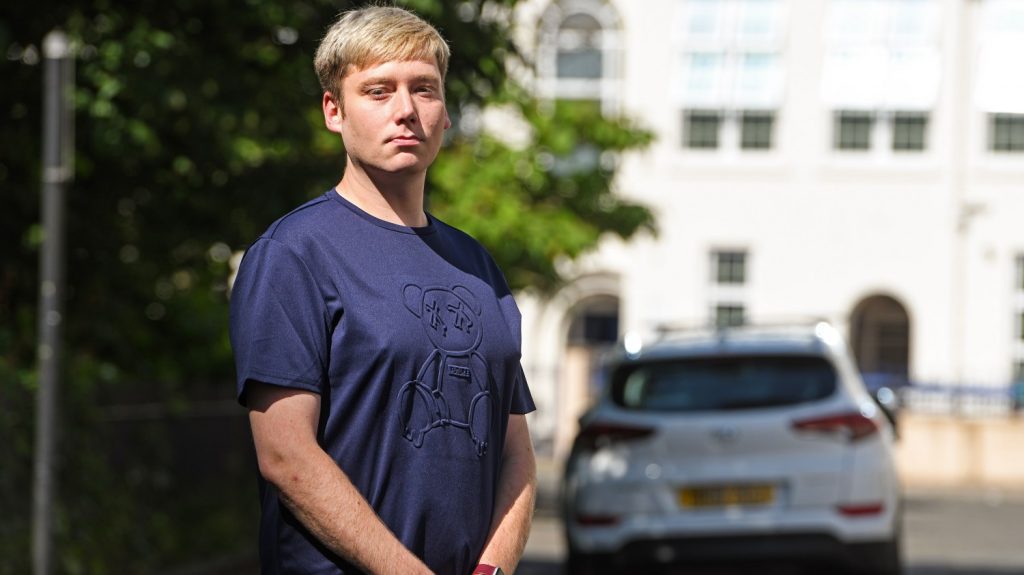
“It felt like all the work getting myself test-ready was wasted”
The only available dates for his local Southampton centre were in October – almost six months away. And even then, there were very few.
“It was really upsetting,” he says. “I just didn’t expect it. If somebody had warned me about the huge wait I would have done things very differently. It felt like all the work getting myself test-ready was wasted.”
Oly works from home as a PA and plans to get a new job when he can drive. “It slowed down my entire life because now I must wait before I can start looking at different jobs.”
The joy of being a new driver is captured perfectly by the driving montage in Dazed and Confused. It’s a bunch of teens cruising around and puffing cigarettes, laughing, bickering, speeding and dancing, all to the tune of ‘Low Rider’.
Whilst most of us don’t embody a 70s American stereotype when we first get behind the wheel, it’s still a pretty epic feeling. The world becomes slightly more oyster-shaped.
If Dazed and Confused was set in 2020s Britain, this scene would’ve gone slightly differently. Instead, the teens would be hunched over screens in gloomy living rooms, endlessly refreshing the booking website in search of a driving test slot. More like ‘No Rider’.
Learners have been bogged down by frustrating waiting times since the country limped out of lockdown, when around a million tests were cancelled. For some test centres, the only chance of securing a test is to log on to the DVSA system before 6am on a Monday morning, ready to snap up a slot as they are released 24 weeks in advance.
The wait can be bypassed if you are willing to take extreme measures. Some will travel hundreds of miles to test centres that have better availability, or pay large sums of money to unofficial “services” offering earlier test dates. For those who can’t or won’t do that, failing a test can mean waiting months for another shot.
In December 2019, before pandemic restrictions, the average waiting time was six weeks. This peaked at over 20 weeks in September 2023, when 151 test centres had the maximum waiting time of 24 weeks (essentially fully-booked).
The DVSA made a major, publicised push to increase testing capacity for the 6 months from October 2023 to March this year. A Freedom of Information request submitted by the AA revealed that, whilst there was a slim improvement across this period, waiting times have since been creeping back up.
The DVSA has exhibited a curious failure to get on top of the issue. The AA Driving School declared in June that “measures to tackle driving test waiting times are failing”.
Last July, Loveday Ryder, chief executive of the DVSA, outlined what she saw as the main factors driving the backlog:
- “An increase in forecast demand caused by a stronger than expected economy.
- “Sustained industrial action.
- “Low customer confidence in driving test availability, resulting in a change in customers’ booking behaviour.”
The phrase “a change in customers’ booking behaviour” euphemises an alarming consequence of the backlog: a thriving black market has spawned around the booking system.
Let’s look at what’s going on.
Learners are often desperate to pass as quickly as possible. They might rely on driving to get to work or school, and waiting longer for a test means continuing to pay for expensive lessons.
This desperation is fertile ground for exploitation. Sensing an opportunity to profit, an army of entrepreneurs – touts, scammers and unscrupulous instructors – has swooped in. They offer a buffet of services to the unassuming young motorist that spans the full spectrum of legality. Most of these people use bots (automated software) to book up tests before the real learners can, and then sell them on for a fee.
This is the picture Oly encountered when he appealed to Google for an earlier driving test date. A barrage of confusing results jumped down the page.
There were apps advertised with names like “Driving Test Cancellations 4 All – Find Earlier Driving Tests”, YouTube videos by accounts such as “Drive Wizard” promising to “Book A Driving Test In TWO WEEKS”, and Facebook groups, thousands strong, with garbled phrases like “Driving Test Cancellation,Book Early Driving Test In UK” bannered across the top. He first turned to a Facebook page with over 20,000 members.
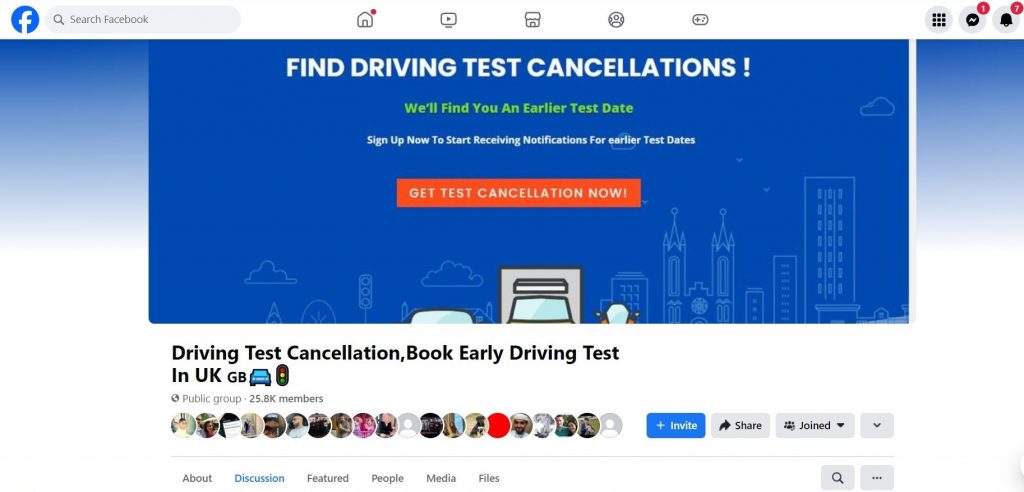
The organisers regularly list test slots for the next few weeks at centres all over the country – prime slots you would not find on the DVSA system. You make contact if you see a booking you want, and the business proceeds via direct messages. They charge a fee of anywhere between £60 and £500 for the service, on top of the £62 that it costs to book a test.
At 34, Alina Mayer didn’t think she would ever learn to drive. She didn’t feel the need, living in London, and it had never appealed to her. However, a recent move to Slough made her re-evaluate. Public transport there is not the same round-the-clock, well-oiled machine as in the capital.
“After moving in April, I realised I needed to pass as quickly as possible. Travelling to and from work on public buses was a nightmare. I took lots of lessons in a short period of time and soon felt ready for the test.”
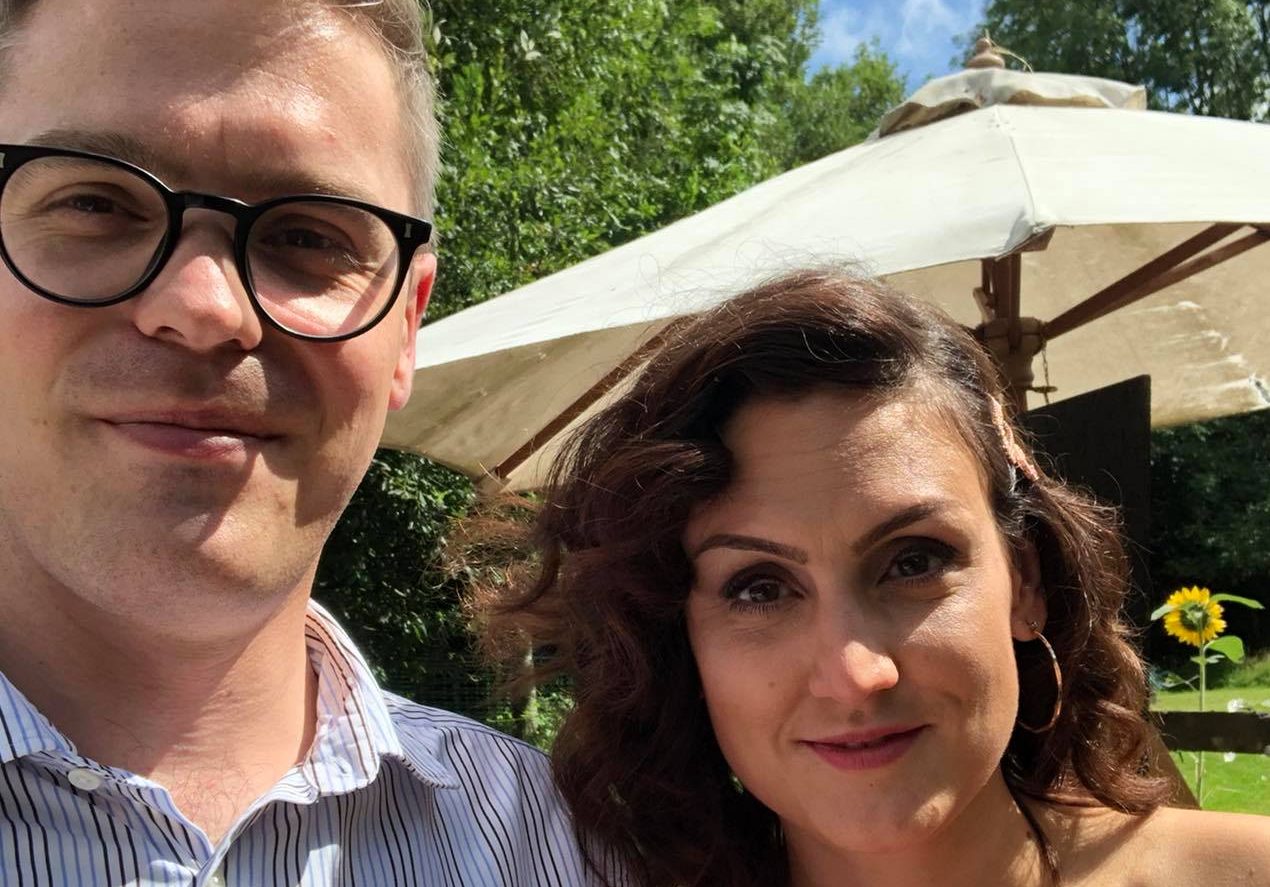
Like Oly, Alina had not even considered that she would struggle to book a test, so was appalled at what she encountered. “There was absolutely nothing on the DVSA website for anywhere near my area. Waiting six months was not an option, so I searched online and found these Facebook groups.”
“I definitely think this should be illegal. It feels incredibly dodgy.”
Alina was directed to a WhatsApp group, where she soon spotted a test in Slough two weeks later. “They told me I had to have an existing test booked, which could be anywhere in the country, and they would swap it with the one I wanted. So, I booked one for the Isle of Wight.”
Alina had to provide the details of her existing test, her provisional driving licence number and her and theory test reference. The charge was £100, on top of the £62 she paid to book the Isle of Wight test.
“I’ve got no idea how the group gets hold of these tests. I definitely think this should be illegal, it feels incredibly dodgy. But it helped me pass sooner.”
The group behind the Facebook page all appear to be based in Cumilla, Bangladesh. However, Alina sent the money to a Nat West business account registered to an address in Manchester.
There are at least six other large Facebook pages offering the same service, some of which list over 50 slots on a single day.
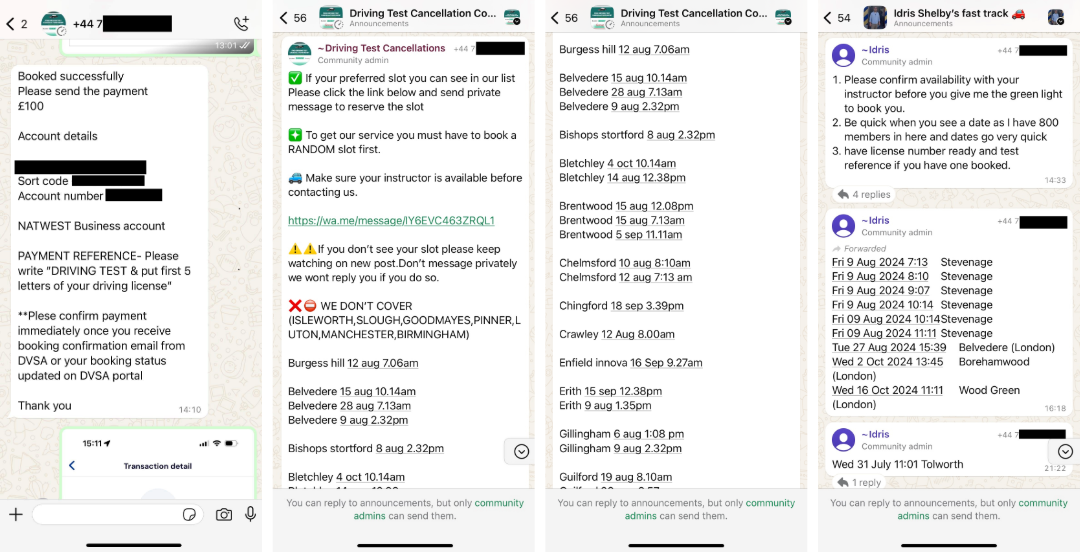
The strategy of these brokers is broadly consistent. They book up tests as soon as they are released onto the system using a bot, hold onto the booking until the date nears, then swap in the details of a paying customer.
A level of sophistication is evident. To book a test, you have to provide a matching set of details. A provisional licence can only hold one driving test at a time. Therefore, to have a rolling stock of test slots these people must have access to a very large bank of learners’ details. The director of a fast-track booking firm recently boasted to the Guardian that he has over 8,000 licence details at his disposal to reserve tests.
Although it is against the DVSA’s code of conduct to sell driving tests at a profit, it is not illegal. The legality of how the touts obtain learners’ details is fuzzier.
A trainee driving instructor, who did not want to be named, said he knows of crooked instructors who harvest their pupils’ details as soon as they sign up for lessons to book and hold test slots. He also claimed that some people create false job adverts that ask for applicants’ provisional licence numbers. The DVSA has warned of a phishing email purporting to be from itself that asks ADIs for their pupils’ details.
However the details are obtained, the touts all rely on the same quirk of the DVSA’s system: Approved Driving Instructors (ADIs) can swap the name attached to a booked test. In theory, this is to allow instructors to move a student’s test if they are not ready, thus avoiding a slot being wasted. Whilst most ADIs use the function in good faith, it is clearly being exploited.
The touts are sustained by the backlog, and simultaneously perpetuate it; thousands of slots bound up in their books mean fewer readily available. Many ADIs are calling for the DVSA to remove the swapping ability, even whilst recognising that it would make their job more difficult.
Further muddying the water is a growing number of scammers leeching off the trade. Oly discovered scores of people complaining they had paid for a test that they never received.
Aziza Karimova, 28, is one such victim. She is returning to work after taking time off to look after her young daughter. Her new job starts in September and requires her to be able to drive. Aziza has never held a UK driver’s licence, so she took an intensive course at the beginning of July.
“I was really pleased to learn so quickly, and after two weeks felt ready to pass my test. When it came to booking a test, there were no dates in my area apart from a couple at the very end of the year. But I needed to pass by September!”
Aziza had heard about ways of finding an earlier test. “I made a post on one of the Facebook groups and somebody commented on it. She asked me to message her so I did – she was always so quick to respond.
“Then, she asked me for £122. She said that £62 was the test fee and that they take £60 for themselves. We noticed that the account used Euros, and my husband said many times that it must be a scam. But I insisted on making the payment because I was desperate. After I paid, she stopped replying and blocked me. I felt really stupid.”

Shocked at the number of people walking into the scam, Oly entered his self-described “vigilante” mode. He began commenting under scam posts to warn others away.
“Since I started speaking out a month ago, I’ve had at least 30 people contact me with stories of being scammed. The worst I heard was someone paying £500 for a test, but when they turned up to the test centre there was no record of it. The scammer had faked a booking confirmation email.”
Just like the touts, these scammers are enabled by the backlog. If people could book a test within a reasonable timeframe through the regulated DVSA system, they wouldn’t need to take a risk on a dodgy social media deal.
Oly eventually used yet another method to book his test – a cancellation app called Testi. A large proportion of learners, 26.6 per cent according to a DVSA survey, book their test this way. For a one-off fee of around £20, the apps use bots to constantly scour the system for cancelled tests and automatically book in the registered user.
If the DVSA numbers are correct, then these apps are harvesting around £4m each year in the UK. Not a huge sum on the scale of things, but still £4m that could be in the pockets of young learners if the system worked.
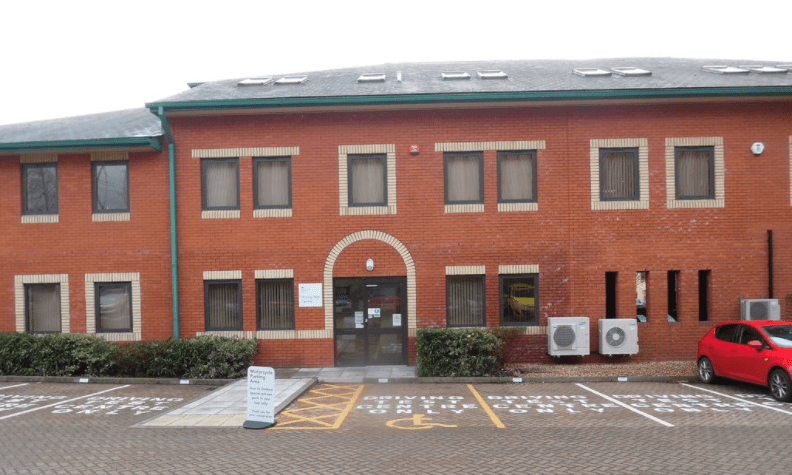
Test centres are the physical counterparts to the tumultuous online market. The centre in Aylesbury is one of the busiest in the country, with the maximum 24-week waiting time. Learners who fail here will have to wait a long time for another shot, unless they pay for an alternative “service”.
Inside, taut parents shift on their feet and peer gingerly through the windows. “He’s parked right in between two spaces, that’s gotta be a fail.” It was.
None of the examiners who stride through the waiting room will discuss the backlog. “The DVSA has a press officer for a reason,” one of the clucks. “And I’m not normally here, anyway. I’m usually based in Norwich.” Examiners are being incentivised to travel around the country to ease pressure at busier test centres.
“The DVSA is fighting little fires and not addressing the root of the problem”
At the end of the room, local instructor Ed Boakes is sitting with one of his pupils. “Drive like you did today, and you’ll be fine,” he says to a visibly nervous teen looking down at her hands.
Ed is much happier to chat and laughs ruefully at the mention of the DVSA. “We all know it’s awful”, he says, “but the examiners won’t acknowledge it,” nodding to a door in the corner. There is an apparent ‘them vs us’ dynamic between the examiners and instructors. The two groups interact only through awkward pleasantries.
“As a local association, the driving instructors in Aylesbury, we think the DVSA is a failing department,” he says plainly. “They’re not providing the service they are supposed to. Before the pandemic, the waiting list was only ever a few weeks long. And there was nothing like the black market that I was aware of.”

He describes the system as being stuck in “perpetual motion”. “If one of my pupils fails now, they have to wait months for another test. That means I have less time to give to new pupils. It’s a vicious cycle.”
Ed reckons the first step to fixing the problem is hiring more examiners. “In Aylesbury we only have one full-time and two part-time examiners on car tests. They bring people in from other parts of the country, and that helps a bit, but as soon as they go we’re back to square one. The DVSA is just fighting little fires rather than addressing the root of the problem.”
On the question of whether the DVSA should remove ADI’s ability to swap tests, Ed says: “It’s a pretty essential feature. In our Aylesbury group chat instructors often swap slots with each other; it keeps the system flowing. But I think it should be limited. Nobody needs to be making more than five swaps in a month.
“I have to be hopeful that things are going to improve, because otherwise what’s the point? This is my livelihood and I don’t plan on changing that. But things are not sustainable as they are. We all have long waiting lists, so the pressure isn’t about to ease up. I’ve got people booked a year in advance.”
His pupil swings in through the door, beaming.
Frustration with the DVSA is growing, and threatens to bubble over into resentment. That much is evident by reading ADI’s comments below Loveday Ryder’s posts on the government website. On the more recent posts comments have been disabled.
Ryder was called before the Transport Select Committee in July 2023 to explain the action being taken. She conceded that “it has been a challenging couple of years,” and that the backlog “has sadly not recovered to the level we had hoped”.
She made the prediction that by the end of the business year (the beginning of April) the wait time would have reduced to 12 weeks. In fact, it was around 17 weeks.
It is difficult to be encouraged by her testament. She said: “It is a constant battle to keep on top of those bot things,” and admitted “our booking system is end of life. We are building a new booking system, or are planning to.” When pressed, Ryder revealed that any new system was unlikely to be in operation within two years.
The new system will apparently have an in-built cancellation service, bringing back under the control of the DVSA what the cancellation apps offer – as ADIs have long called for. Asked if the reselling of tests should be made illegal, Ryder said: “It is definitely something that it would be interesting to look at. It would help enormously if we could.”
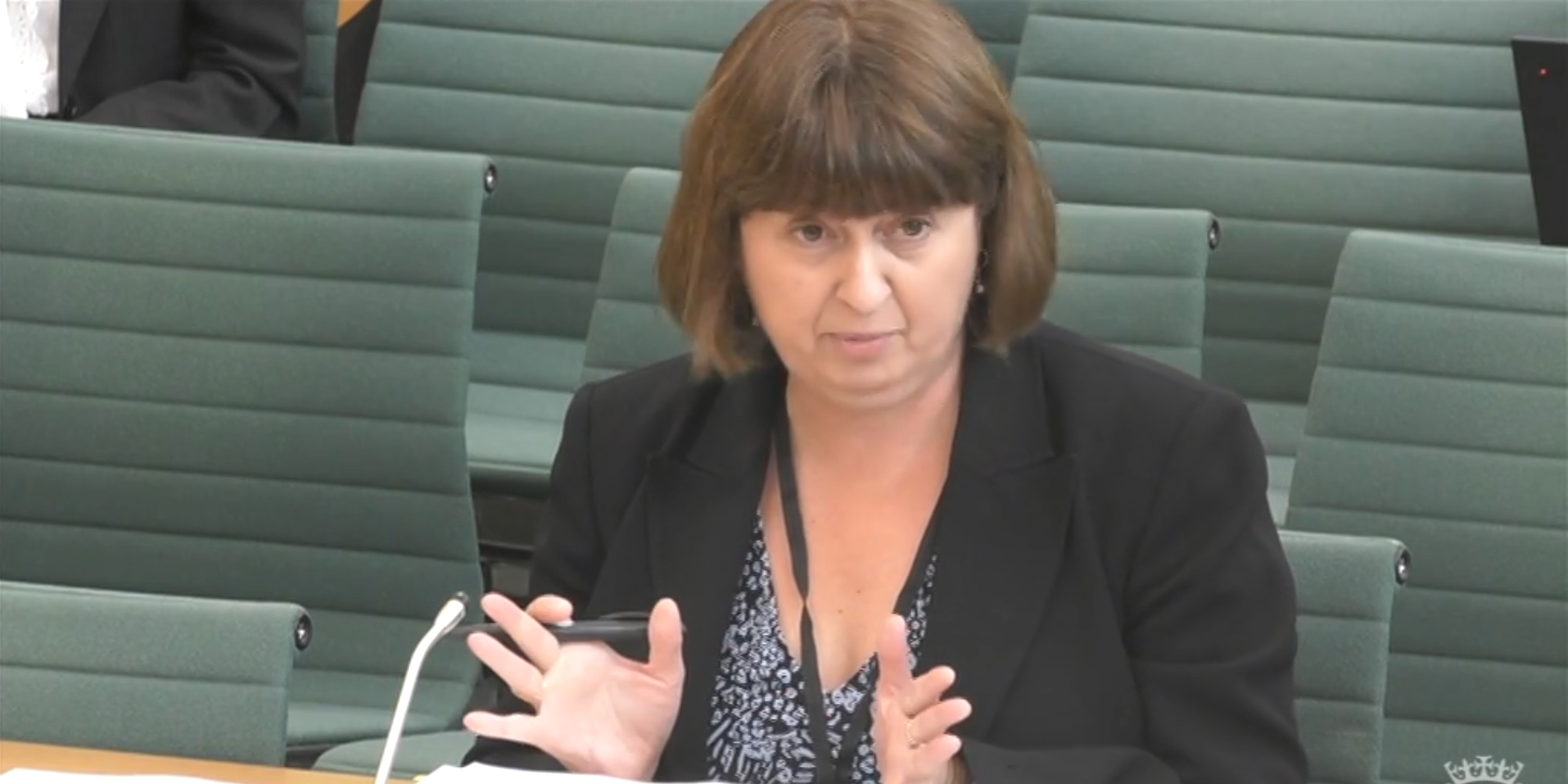
As the backlog continues to bloat, learners and ADIs need promises of resolute action from those in charge. Instead, Ryder could only wave limp suggestions of solutions. If measures like an in-built cancellation service and greater prosecuting powers would help, then they must be urgently fought for. In fact, they should’ve been fought for two years ago. Unfortunately, for the past three years the DVSA has been blighted by a disease not uncommon to government departments: ineffectiveness.
The body did deliver on its pledge to provide 150,000 extra test slots over six months, between October 2023 and March 2024, but capacity has now returned to the original level – and the scheme was not well received. The assumption that ADIs could simply be cajoled into increasing capacity caused anger, prompting plans for industrial action in February that was reversed at the last moment.
The DVSA’s latest step was to begin limiting the number of times a provisional licence could be used to swap a practical test online, as of April this year. It remains to be seen whether the move will tackle the bots.
Enquiries to the DVSA about the backlog are directed to their latest blog post.
The direct splash zone of this problem is limited to learner drivers and instructors. Perhaps that is why the issue has barely punctuated mainstream discussion. But here’s the point: the DVSA is a government department. Driving tests are part of a public service. It absolutely should not be accepted that people are profiting off the system, and that profiteering is perpetuated by governmental ineptitude. Imagine being able to pay some bloke on Facebook £200 for an earlier GP appointment. It sounds ludicrous, doesn’t it?
The story is beginning to gain recognition, however. Oly was interviewed and photographed by The Times in June, and a number of other papers are picking it up. Oly continues to play saboteur to the online scams, publicity or not, and says: “If I have stopped even one person from losing money, it’s been worth it. I’ve always spoken out against scams; I just hate it.”
But we should not need to rely on lone vigilantes in Southampton to protect people. Learning to drive should not be a precarious maze of scams and dodgy deals. The DVSA urgently needs to get a handle on the issue so that learning to drive can resume as that joyful rite of passage.