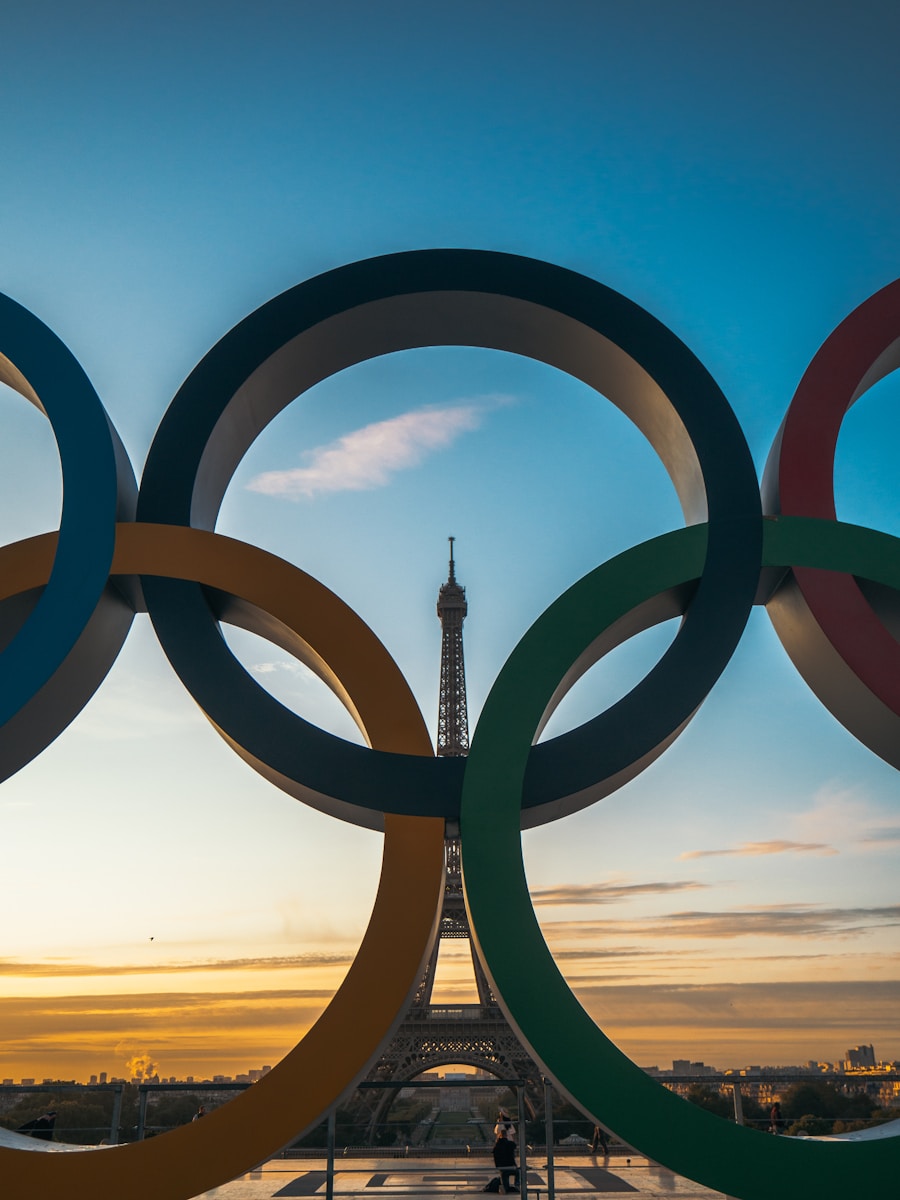
As the world looks forward to the spectacle of the 2024 Paris Olympics, there’s a sense of historical resonance in the air. A century has passed since the city last hosted the Games in 1924, and as we stand on the brink of a new horizon we reflect on the upcoming games and explore those held 100 years prior.
In this article, we embark on a journey through time, engaging with Olympians who competed previously and those who are preparing for the imminent Paris Games. Through their experience of this unique event and the evolution of the Games, the experiences of athletes then and now will be seen. Athletes are in full preparation for the upcoming games, and we will delve into their training routines, how big a part of their lives the Games are, and the pressures that come with competing in such a historic and monumental event.
The 1924 Olympic Games was a monumental event that is still significant to the current day Olympics. 1924 saw the first Olympic Village which has developed into a renowned part of the Games. A century ago at the Paris Games the British track athletes Eric Liddell and Harold Abrahams would compete which would later inspire the British cult classic ‘Chariots Of Fire’.
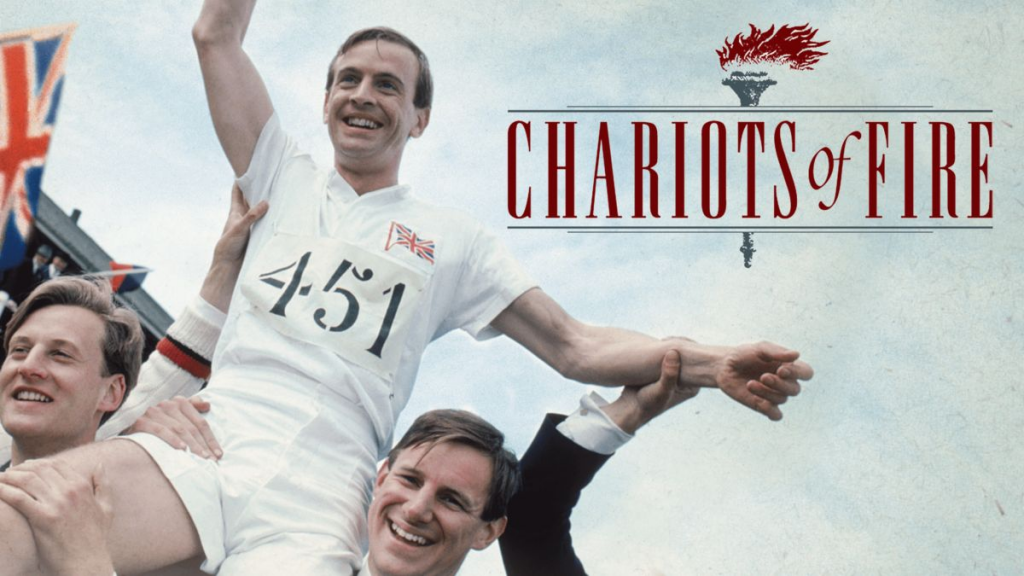
The two sprinters would both go on to be successful and win gold medals in the 100m and 400m. The hundredth anniversary will inspire many British athletes who will have grown up wide-eyed and motivated by watching ‘Chariots of Fire’ to achieve the glory accomplished by Eric Liddell and Harold Abrahams. One athlete who looks to do this is Joe Ferguson, an aspiring Olympian.
Joe Ferguson
Joe Ferguson is a 23-year-old British sprinter from Sheffield and is eager to replicate the triumph from 100 years ago. Ferguson is in preparation for the 2024 Olympics and has never competed at the Games before. Joe Ferguson has won the silver medal in the last two British Championships and competed in the 2022 World Championships where he reached the 200m semi finals.
Ferguson began running when he was 13 after playing football for most of his childhood. “My friend suggested I came down to the track and I enjoyed it immediately,” said Joe, “by the following summer I was the county champion and competing in the English School Nationals.”
“Noah Lyles is definitely capable of breaking the record and that would be a massive step for the sport.” Joe Ferguson
In July, Ferguson competed in the British Championships. The race was a massive one for him as it would give him qualification points for the upcoming World Championships and the 2024 Olympics. Joe started slow and was at the back of the field with around 50 metres to go. Ferguson would then pick up the pace and soar through the field earning himself the silver medal and beating the accomplished sprinter Adam Gemili alongside others. Joe analysed: “On the blocks I knew I could do well it was just doing that. Although I didn’t have a great start, I think I can finish better than most so when I started making that ground up and pipped the others to second place I felt pride and relief come over me it was a reward for all the hard work I put in.”
Track events were a huge part of the 1924 Olympics and the races in Paris 1924 have become well renowned. The success of Harold Abrahams and Eric Liddell would inspire the film ‘Chariots of Fire’. “I watched Chariots of Fire a long time ago so I do not remember it too well,” said Ferguson, “the fact that it is about two successful British athletes in my field that won gold medals exactly 100 years ago definitely gives me some extra motivation to try and recreate their victory though.”
The 200m race sees tough competition in the upcoming Olympics with arguably the strongest field since Usain Bolt retired. Ferguson will face elite athletes to even qualify for the games with Zharnel Hughes the current all time British record holder competing, and many more such as Nethaneel Mitchell-Blake, Charlie Dobson and Adam Gemili.
Despite the competition Ferguson faces within Britain it is an American counterpart who he sees as his strongest competitor. Noah Lyles is a 26-year-old sprinter who holds the third fastest 200m of all time at 19.31 seconds behind Yohan Blake and Usain Bolt. However Ferguson believes: “Since Usain Bolt retired, I think everyone felt the sport died with him. If Bolt’s record could be beat it would put our sport back on the map.”
Joe Ferguson only amasses a total of 3,166 followers on Instagram a small amount for such an elite athlete. The small amount may link with the idea of sprinting not getting the interest that it did when Usain Bolt was around. Adam Gemili another British sprinter who still competes today, was at his peak whilst Bolt was still competing has 59.4 thousand followers on Instagram. The huge difference between the two athletes social media following indicates how the sport may have lost interest in recent years.
Ferguson has set up a YouTube channel to document his sprinting and his journey towards qualifying for the Paris Olympics. “I started the channel around September last year. I just wanted to start doing something a bit different. I was keen to share my process and build a community,” said Ferguson, “the Olympic year was a good time to start it as I feel interest will be at it’s peak so I wanted to document my journey. In athletics I feel there is a lot of smoke and mirrors with what people decide to share at the elite level such as what training they have been doing and whether they have picked up any injuries.”
Kimberley Woods
Kimberley Woods is the reigning World Champion in the Kayak Cross event, alongside winning gold at the 2023 World Championships hosted in her home Country of England, she won gold and bronze in two team events and a silver medal in the Canoeing contest. Kimberley Woods is 28-years-old and was born in Rugby where she began her career at Rugby Canoe Club after her grandparents encouraged her to take up the sport. Woods’ auntie Diane Woods competed at a high level and won the silver medal in canoeing at the 1994 World Junior Championships. Woods watched a recording of her race as a child and reminisced: “I was in awe of what was canoe slalom and wanted to give it a go. My grandparents said as soon as you get your 50 metre swimming badge you can start and after I got it I went straight to them and started to learn the basics.”
“I remember my first race, I was the only one there but I won so I couldn’t care less.” Kimberley Woods
The World Champion competed at her first Games during the 2020 Olympics in Tokyo and had a disappointing time where she finished tenth but this coming year she is considered the favourite by many and eyes up the gold medals in both the kayak slalom and the kayak cross. “I think I have got a bit of a target on my back being world number one,” said Woods, “the kayak slalom being the first medalling event in the whole games definitely brings a lot of pressure.”
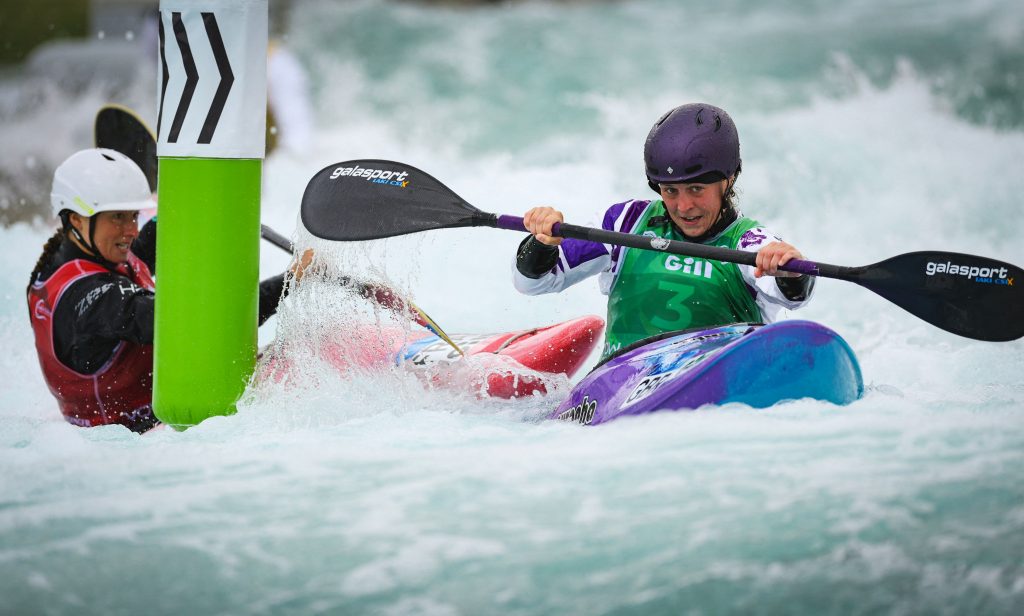
“I felt I was in great shape at the last Olympics. I was so ready and excited for being in a Olympic final. I went all guns blazing from the start and made a couple of early mistakes. Throughout the run I just kept trying to get back on track but I just couldn’t. Thoughts then of disappointing myself and other people started to come to me and the pressure in the end just made me crumble,” said Woods. “Afterwards I was destroyed, I was crying but my team mates were there for me which made me feel that I wasn’t alone. That’s what I will take from the last Games and bring into Paris and look to improve on my performance.”
The kayak cross event will have its debut at the Olympics alongside other events such as breaking, sport climbing and surfing. The latter will actually take place in Tahiti as France are unable to produce waves large enough. Sports including Handball will also not take place in Paris and will take place in Lille around an hour north of Paris. Kimberley Woods revealed: “I will actually not be staying in the Olympic Village this year because the kayaking venue is around an hour away and there’s a really nice hotel that we have stayed at a couple times before which will feel weird but I’m sure after our competition we’ll go in and see the food hall and things like that.”
Training
The training schedule between athletes now and 100 years ago are very different. Ferguson explained that “I do different things on different days. Mondays will be a circuit training day. Tuesdays and Thursdays will be running on the track and speed based training sessions. Wednesdays and Fridays we are in the gym and then Sundays is a long speed endurance session, followed by a gym session.”
Phillip Barker is an Olympic Historian and Journalist that works for the International Society Of Olympic Historians and described that in 1924: “Because they were amateurs many athletes would not have the time to train for the Olympics for two years,” said Barker, “right up until the 1950s, the rugby players would do two laps around the field and toss the ball around for a bit and that would be their practice.”
“My training is quite technical as there are so many things that can happen on the course,” said Kimberley Woods, “so it’s a lot of technical stuff that we will do on the course and then stuff in the gym and then a little bit of cardio which is definitely my least favourite part!”
Women at the Games
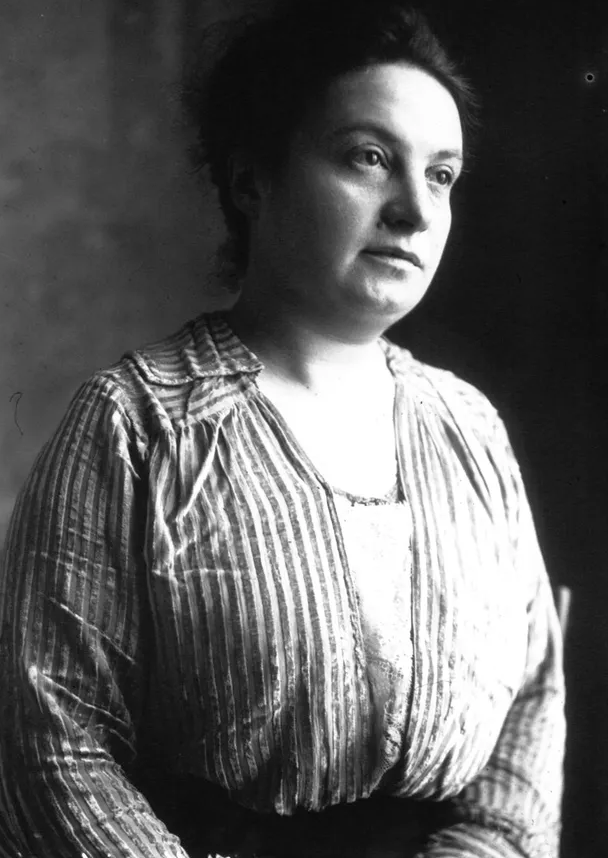
The inclusion of women in 1924 was very limited with women only taking part in tennis, swimming, fencing and diving with women notably not being allowed to compete in athletics. Alice Milliat was a French Rower and was a pioneer for the inclusion of women in the Games. In 1919 Milliat asked for the inclusion of track and field events at the 1924 Paris Olympics. This was rejected and Milliat would set up the Jeux Olympiques Féminins also known as the 1922 Women’s World Games. The International Olympic Committee were frustrated at the use of the word Olympics in the competition and agreed to add ten women’s events for the 1928 Olympic Games in exchange for not using the term Olympics in Milliat’s Games.
Kayaking was not a part of the Games in 1924 and events seen at the current day Olympics are very different to those 100 years prior. “Polo was the only sport that was competed in 1924 but will not be seen this coming year,” said Phillip Barker, “there have been so many sports added with there now being 10,500 athletes equally split between men and women compared to 3,089 in Paris 1924 with 2,954 of them being men and only 135 being women.”
Progress for the inclusion of women in the last 100 years has been massive with there now being an equal amount of athletes from both genders. Kimberley Woods has seen developments in her own sport very recently and revealed: “In Tokyo it was the first time that Canoe Women were in the Olympics and that was the first games that for Canoe Slalom there was equal genders.”
The Opening Ceremony
Tokyo was an abnormal Games with the absence of fans due to the Coronavirus crisis. The well renowned opening ceremony that would usually see thousands of fans inside a stadium was left deserted. “It was very underwhelming,” said Woods. “We were stuck in this tunnel for two hours and it was so hot and humid. We obviously had to be distant from each other and then we walked into this massive stadium and were just waving at an empty stadium. It was a very surreal experience.”
Paris are planning their opening ceremony to be held on the Seine river. “The opening ceremony will be insane. All the teams will be on boats coming across the river which will be very unique and will stick in the memory of everyone,” said Kimberley, “this Olympics will be a huge event you can already see the work they’re putting in in Paris. Around where I am staying you see small things starting to build up like they’re resurfacing loads of pathways and obviously the Olympic rings have been set up by the river.”
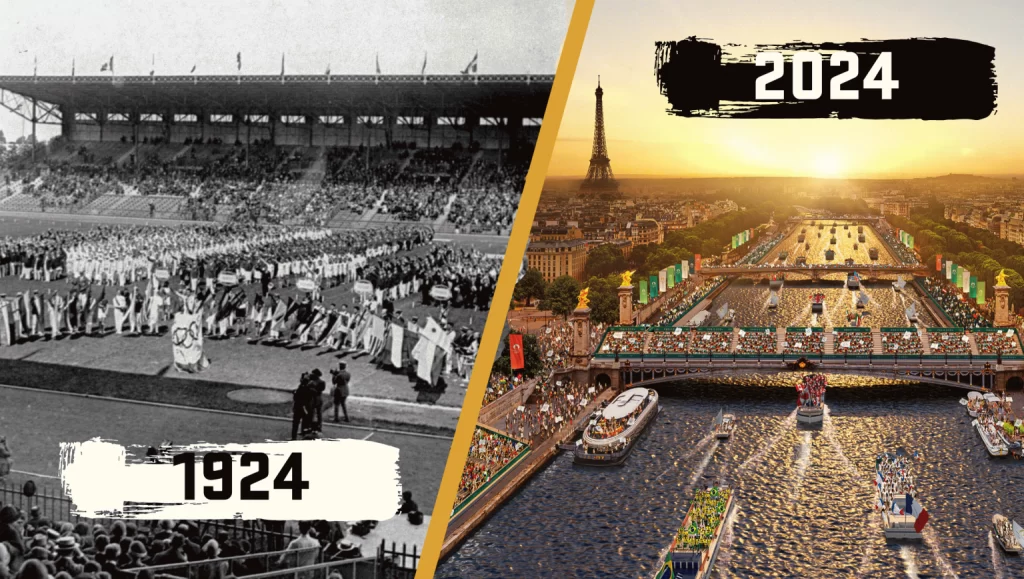
The 1924 Olympic opening ceremony was held at the Stade Olympique de Colombes and was held after some competitions had already started such as Football, Rugby and Polo. 44 countries were being represented which has now risen to 206 different Olympic committees competing for their countries or themselves. The Stade Olympique de Colombes hosted the athletics, tennis, football, equestrian, cycling, rugby, pentathlon, fencing and gymnastics. The stadium will also play a part in the upcoming Games when hosting field hockey.
The Olympic Village
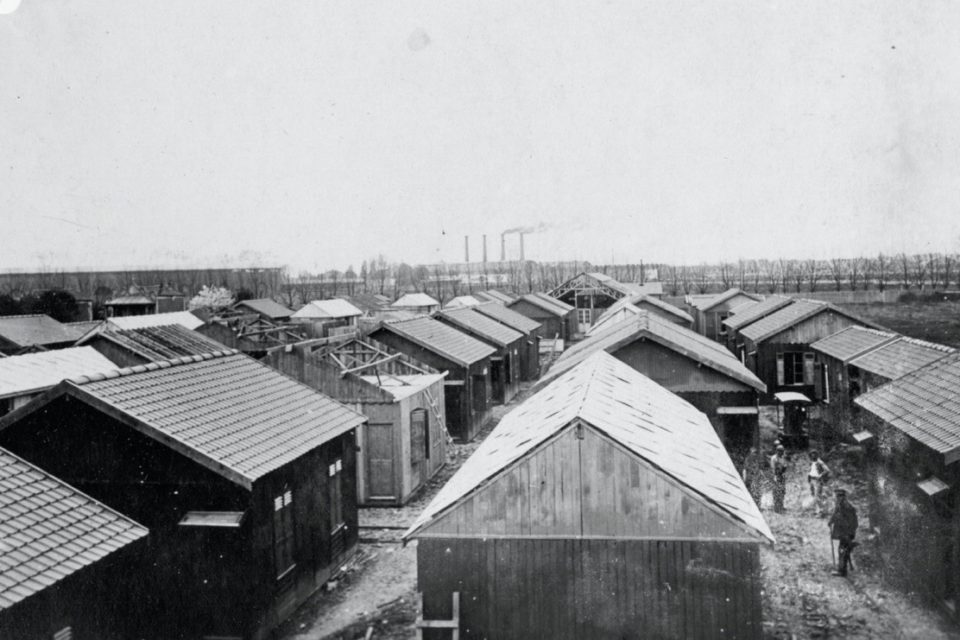
The Olympic Village was introduced in 1924 and has been a prominent part of the Games ever since. The 1924 village consisted of temporary wooden huts which were situated close to the main stadium the Stade Olympique de Colombes. The daily charge for a bed was 30 francs per person and 25 francs for food, electricity and showers which would equate to £39.78 in current day currency. Three meals a day were provided at a dining hall, with lunch, dinner and included alcohol. The Olympic village this year will be located within Saint-Denis just north of the centre of Paris, a prime position allowing 100% of athletes to train within 20 minutes of the Village, 60% of those being able to train within the Village itself and 85% of athletes will be accommodated less than 30 minutes away from their competition venue.
Developments made to the Olympic Village have made it unrecognisable from the original in Paris. Phillip Barker has been to multiple Villages. “They have everything, a post office, nail bar, games rooms. They often have big groups come in to provide entertainment, film nights and much more,” said Phillip, “the British used to have a red telephone box at every village so people can make calls to family and friends and make them feel at home.”
“The Olympic Village concept at first was very basic wooden huts however now Olympic Villages will be used after to become affordable housing. The Villages now are built and designed with the concept of using it afterwards.” Said Barker, “athletes wouldn’t stay for the whole time back in 1924 they would often leave after their event as there wasn’t an event where they would be presented their medals and often the athletes would have to go back to their everyday job.”
The food hall within the village is seen as a prominent part of the village and is famed for its grandeur. Kimberley Woods spent her time in the Village at the Tokyo Olympics. “It’s amazing being there around so many different athletes with so many different body types,” said Woods, “it was just crazy being in the food court with loads of different foods and you almost have to stay focused that you’re there for the Olympics and not on holiday.”
Security in the village has been ramped up in the last 100 years significantly after the Munich Olympics in 1972. Eight members of a Palestinian militant group Black September managed to break into the Village in Munich and enter the Israeli quarters. The group would kill two and hold nine hostages before making an agreement to release them. However, the Germans would plan an ambush to free these hostages which would end up going horribly wrong and result in the death of eleven Israelis, one German police officer and all of the Palestinian militants.
“They really try to look after the athletes and back then the security was nothing like it is now. Since 1972 security became the absolutely major issue. It’s like an airport now to get into the athlete’s village there is so many security checks,” said Barker, “in 1972 they had a map that would tell you who is staying where. Nowadays if you go to the Olympic Village, you will not be able to get a map and you won’t actually be able to contact an athlete. You would have to give your number to the organisers who would then give it to the athlete and if they agreed to speak to you only then could you make contact with them. It’s much more of a strict regime now because of the security.”
Diets, Habits, and Doping
The diet and habits of athletes has significantly changed since 1924 with many sticking to strict regimes. “I don’t take it too serious when I’m outside of competition. I try to stay consistent with my meals and eat the same five or six meals on rotation and as long as I am at my target weight and be able to maintain it I don’t have to worry about much else,” said Ferguson, “I will have something to drink when not competing sometimes but I will never drink around competition times and you don’t really see any athletes smoking at all.”
In 1924 however many athletes would drink during competition and this was seen at the Olympic Village where a glass of wine would be offered with their meal. A lot of athletes would smoke as well which is depicted in Chariots of Fire when the main characters Harold Abrahams and Eric Liddell were both seen smoking. Phillip Barker unveiled: “There were many adverts for smoking back then and it was a lot more prevalent back then. Alcohol however is still very much there though for example even as recent as Tokyo they had an official beer sponsoring the Games.”
Testing for Performance Enhancing Drugs is another difference between the 1924 Games and now. “In 1924 there were no doping controls and not even really a thought that people could be using drugs to improve their performance,” said Barker, “awareness of drugs to improve performance didn’t really become known until the late 1950’s and it was even later that that testing came in.”
Doping has become a huge thing in the last 20 years and one of the largest scenes for this is sprinting. Ben Johnson and Justin Gatlin have both been caught in scandals involved with doping and even the great Usain Bolt has been rumoured to have been taking illegal substances within the sport. Joe Ferguson believes: “I think it’s cheating, nobody doesn’t know that they’re doing it. It’s so frustrating for us that would never touch it because it gives them such an unfair advantage. I think the agencies should be stricter and give a life ban to anyone caught as at the moment the punishments don’t outweigh the risks for some people.”
Stadiums, Buildings and Branding of the Olympics
The architecture at the Olympic games has completely changed over the last century with wooden huts being replaced by high rise buildings and small stadiums that would host multiple events being replaced with ginormous arenas that often will only host one type of event. “There’s now transport systems that will get the athletes to where they need to be on time. The Stades de Colombes which was the main stadium in 1924 was already built but they renovated it for the Games. It wasn’t anything like the expense that is used nowadays,” said Barker. “Boxing, gymnastics and even equestrian were held inside the main stadium which would save money compared to the multiple stadiums that will host different sports and will be purposely built for the Games.”
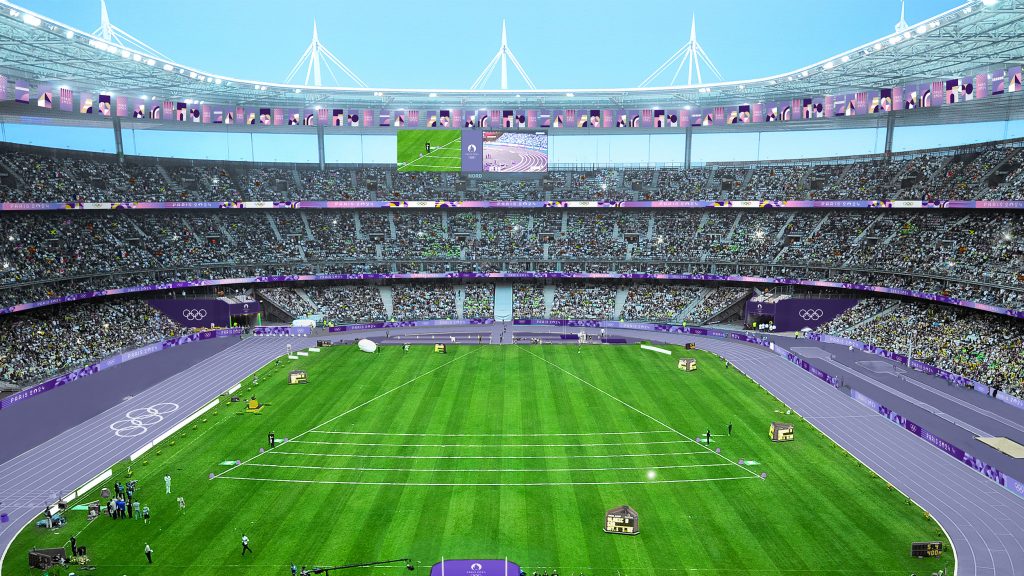
Branding of the Games can be seen around the host city and all around the stadiums. In 1924 the branding of the Olympics was not seen around Paris to the extent that it is today. At Paris 1924 you would only really be able to tell that the Games was going on around Colombes however nowadays you see the branding all around the city. For example, the 2012 London Olympics had a budget of 9.2 billion pounds really emphasising the cost of hosting an Olympic Games. “The Games is so orientated towards television and live streaming now that everything has to have an amazing backdrop. If you watch a sport on the television any significant part in the event there will always be some sort of emblem of the games,” said Barker, “this is to make people know that this is the Olympics and not just any other competition. The whole branding of the Games is taken so much more care of nowadays.”
“If you look at Chariots of Fire the uniforms were very simple. They will just have a small union flag on and they will be a white singlet. Nowadays the British uniform will probably be red, white and blue with a big union jack and Team GB written across the chest. They did not think about these marketing strategies until much much later,” said Barker, “their outfits would often not be terribly good fitting. Whereas nowadays they go for fittings and it is actually a media day at Loughborough University where you will be fitted and then have all your press photographs on the same day.”
Athletes are a lot higher profile in current times as of the branding, marketing and advertising around them. Athletes such as Usain Bolt and Michael Phelps have become household names as of the huge interest in the Olympics. “I feel quite a lot of pressure for the upcoming games. Media have been approaching me and I think that is because they see me as a big hope for medals in Paris,” said Woods. “Interest in the Games being so high definitely has some pluses like me being sent equipment for free which would often cost a lot and having plenty of support but it definitely adds an extra weight to my back going in.”
Economic Backing for Athletes
Financial support for athletes has meant that athletes competing in the games can now do this as their full time job. “The more successful you are, the easier it becomes but starting out is still difficult. It was basically the bank account of my grandparents who would buy my equipment and fund my travel,” said Woods, “since 2011 I had to pay a little bit of money to go to the European Championships but when I started to get better results, I got onto the National programme which gave me some funding and as my results keep getting better the funding gets better. I am very grateful to be able to call this my full time job.”
Joe Ferguson revealed: “Travel is generally all paid for, depending on what level you’re at but once you get to a certain point your agency organises things with competition organisers. They will arrange flights accommodation and the agency will be given a budget to spend which is given by the competition,” said Ferguson, “you can still go to competitions abroad but if you’re not invited to run in a main race you would have to pay from your own pocket.”
In 1924 however the athletes would not have the same amount of backing compared to today. “It wasn’t a huge amount of money given to athletes partly because of the whole idea of the amateur linked with the Olympics, ” said Barker, “athletes would often have to take annual leave without pay to go to the Olympics. They would get a small amount of pocket money sometimes. Cricketers back then would get some money for tobacco or beer but if they behaved poorly, they would be docked some of their money.”
Accessibility
The accessibility to athletes from different backgrounds has changed over the last 100 years. “If you look at the British team now you see a lot of people from public schools. If you look at Chariots of Fire a lot of the athletes are from very privileged backgrounds. Harold Abrahams was an Oxford student from a very elite background and Eric Liddell who wasn’t a part of the old school set up but was still part of the privileged elite in Scotland whose dad was a minister,” said Barker, “many athletes were students who would practice in their downtime but a lot were moneyed and came from privileged backgrounds that could support their passion for their sport.”
Kayaking is seen as quite a niche sport that many may think is a hard one to access. “It is easy if you know the right people and the right equipment but it’s also really hard because it is very expensive with boats being around two thousand pounds nowadays which will get battered very quickly when you’re beginning. It’s quite hard but if you’re with a local canoe club you can just go kayaking and you don’t have to go racing it can also be recreational for those not looking to compete,” said Woods, “I try my absolute best to publicise the sport. Last year at the World Championships the BBC covered it which is a stepping stone for us, but it has not quite reached the level we hope it will.”
The Olympic Games are broadcast worldwide and viewed by billions of people every four years. Tokyo Olympics in 2020 reached a global broadcast audience of over 3 billion people a ginormous amount that really presents how large of an event the Games is. Phillip Barker described: “There was no television in 1924 but there were little bits of film that people would see and it would be documented in the papers.” Olympians back then would often pursue a career in the public eye after their career. “Swimmers and others in artistic sports would pursue a career in Hollywood musicals and of course if you were an athlete and photogenic then you could have a career after your sport,” said Barker.
Paris 2024 is bound to be a huge year for the Olympic Games returning from the Covid-19 affected Tokyo that saw the absence of crowds and atmosphere. The Paris opening ceremony will be one for the ages when travelling down the iconic Seine which the like has never seen before. The 2024 Games will see the evolution of the Olympics since 100 years ago and many will reminisce on Paris 1924 and look for athletes to parallel the achievements of those before them. From the 26th July after the grand opening ceremony the Games will commence and on the 11th of August will end with the closing ceremony. Kimberley Woods will be competing first on the 27th of July and Joe Ferguson will compete on the 5th of August both looking to find the success of their British predecessors a century ago.